MSRTC fare hike on hold despite ₹124 crore diesel burden, says Sarnaik
Synopsis
MSRTC is absorbing a ₹124 crore annual hit from the diesel price hike, but Transport Minister Pratap Sarnaik is holding the line on fares — for now. With ₹76 crore lost in April alone and accumulated losses near ₹12,000 crore, the corporation's finances are stretched thin, making a fare revision a question of when, not if.
Key Takeaways
Transport Minister Pratap Sarnaik confirmed on 18 May that MSRTC bus fares will not be hiked immediately.
Diesel prices rose by ₹3.10 per litre — from ₹88.21 to ₹91.31 — adding roughly ₹33.70 lakh in daily costs for the corporation.
The annual financial burden from the diesel hike is projected at ₹124 crore to ₹125 crore .
MSRTC posted a loss of approximately ₹76 crore in April 2026 and carries accumulated losses of nearly ₹12,000 crore .
Any fare hike requires a formal proposal to the State Transport Authority and government sanction before implementation.
The government is exploring e-bus deployment , fuel conservation, and revenue-boosting strategies as alternatives.
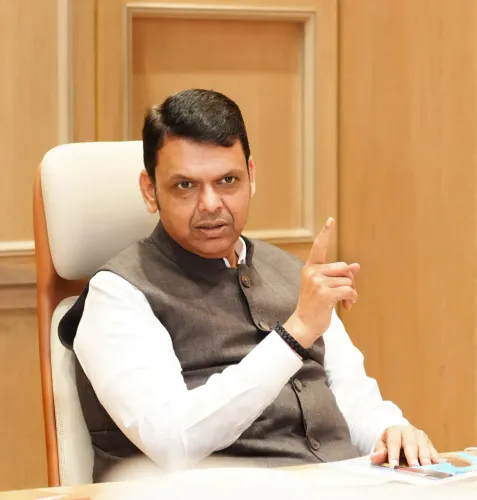
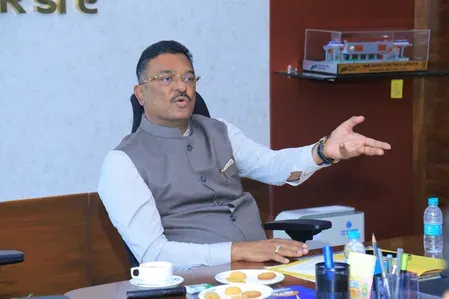
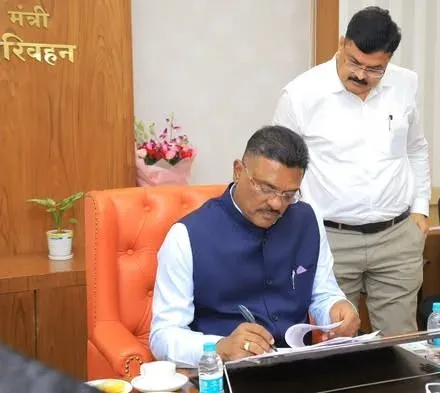
Maharashtra Transport Minister and Maharashtra State Road Transport Corporation (MSRTC) Chairman Pratap Sarnaik on Monday, 18 May confirmed that State Transport (ST) bus fares will not be raised immediately, even as a surge in diesel prices threatens to add an estimated ₹124 crore to the corporation's annual costs. Sarnaik stressed that ST buses remain a lifeline for rural commuters and that any fare revision will require formal government sanction before taking effect.
The Diesel Price Shock
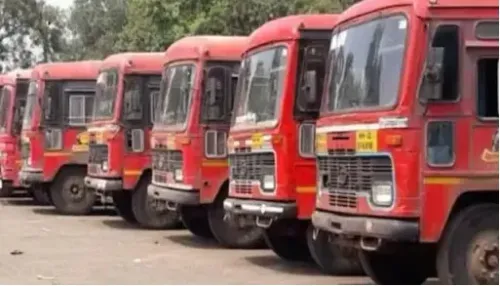
The financial pressure stems from a ₹3.10 per litre jump in diesel prices — from ₹88.21 to ₹91.31 per litre — following a central government revision. The MSRTC, which consumes an average of 10.87 lakh litres of diesel daily across its 251 depots, is now absorbing an additional daily outgo of approximately ₹33.70 lakh. That translates to roughly ₹10 crore per month and a projected annual burden of ₹124 crore to ₹125 crore, according to Sarnaik.
MSRTC's Deepening Financial Strain
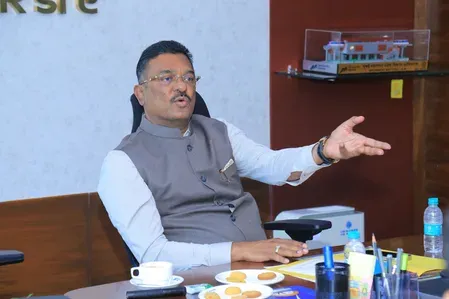
The fuel cost spike arrives at a particularly difficult moment for the corporation. MSRTC recorded a loss of approximately ₹76 crore in April 2026 alone, and its accumulated losses stand at nearly ₹12,000 crore. Sarnaik chaired a high-level meeting with senior MSRTC officials on Monday to assess the impact and explore mitigation strategies. The corporation's diesel supply is currently managed by the Indian Oil Corporation (IOC).
What the Government Said
Sarnaik clarified that while a passenger fare hike is under active consideration, it will not be implemented without following due process. A formal proposal must first be submitted to the State Transport Authority for approval, and the final decision will only be executed after receiving the authority's sanction. The minister added that the government is simultaneously examining alternatives to ease the financial load on commuters.
Alternatives Being Explored
On the operational side, the government is prioritising fuel conservation initiatives, accelerating the deployment of e-buses, implementing cost-containment measures, and developing strategies to grow overall revenue. These steps are intended to reduce dependence on fare hikes as the primary lever for financial recovery.
What Happens Next
The fare hike question is likely to resurface as fuel costs remain elevated. With accumulated losses near ₹12,000 crore and monthly deficits continuing, the MSRTC's financial trajectory will be closely watched by state officials and commuter groups alike. Any formal proposal to the State Transport Authority is expected to follow Central and State Government guidelines on fuel price adjustments.
Point of View
000 crore in accumulated losses. The real question is not whether fares will rise, but whether the state government will absorb the gap through a subsidy or pass it to rural commuters who have few alternatives. Delaying the decision without a credible funding plan risks deepening the very crisis it is trying to avoid.
NationPress
24 Sept 2026
Frequently Asked Questions
Will MSRTC bus fares increase in 2026?
A fare hike is under consideration but will not be implemented immediately, according to Transport Minister Pratap Sarnaik. Any revision requires a formal proposal to the State Transport Authority and approval from relevant government authorities before it can take effect.
Why is MSRTC facing a ₹124 crore annual burden?
The central government raised diesel prices by ₹3.10 per litre, pushing the rate from ₹88.21 to ₹91.31 per litre. Since MSRTC consumes about 10.87 lakh litres of diesel daily, the increase adds roughly ₹33.70 lakh per day — scaling to approximately ₹124 crore to ₹125 crore annually.
What are MSRTC's current financial losses?
MSRTC recorded a loss of approximately ₹76 crore in April 2026 alone, and its total accumulated losses stand at nearly ₹12,000 crore. The escalating fuel costs are further straining the corporation's already fragile finances.
What alternatives is the Maharashtra government exploring to avoid a fare hike?
The government is focusing on fuel conservation measures, expanding the deployment of e-buses, implementing cost-containment strategies, and identifying ways to boost overall revenue — all aimed at reducing the financial burden without immediately passing costs to commuters.
How many depots does MSRTC operate and who supplies its diesel?
MSRTC operates across 251 depots and its diesel is currently supplied by the Indian Oil Corporation (IOC). The corporation's daily diesel consumption averages 10.87 lakh litres.