MSRTC faces ₹125 crore annual burden after diesel price hike, fare increase likely
Synopsis
MSRTC — already carrying ₹12,000 crore in accumulated losses — now faces an additional ₹125 crore annual hit after the central government raised diesel prices by ₹3 per litre. With unions pushing a VAT-cut solution and the minister floating a fare hike, Maharashtra's 'Lal Pari' is at a financial crossroads that will directly affect millions of daily commuters.
Key Takeaways
The central government raised petrol and diesel prices by ₹3 per litre on 15 May 2025 , triggering a fresh financial crisis for MSRTC .
MSRTC consumes nearly 11 lakh litres of diesel daily across 251 depots , making the additional annual burden approximately ₹125 crore .
The corporation already carries an accumulated loss of nearly ₹12,000 crore .
Transport Minister Pratap Sarnaik has not ruled out a passenger fare hike, though no decision has been taken yet.
Non-fare revenue plans include 100+ multi-modal fuel stations (targeting ₹100 crore/year ) and an advertising drive targeting ₹250 crore over five years .
Unions are pushing for a VAT cut on diesel for MSRTC buses, citing Rajasthan's reduction from 18.5% to 14% as a model.
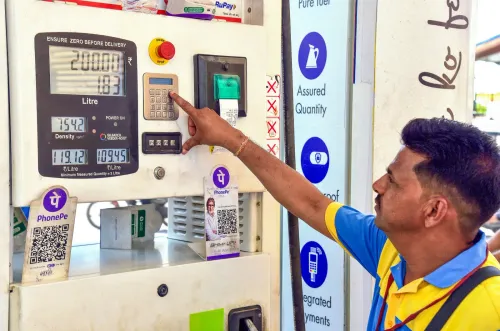
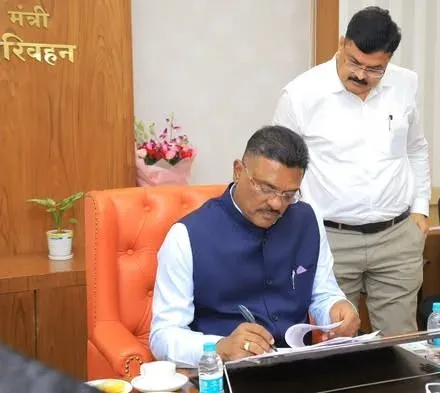
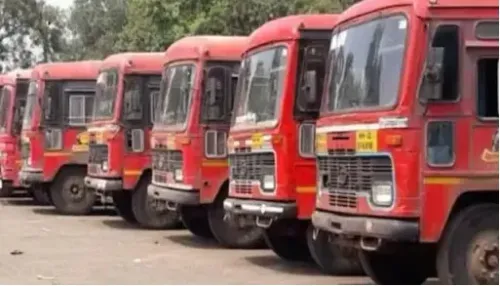
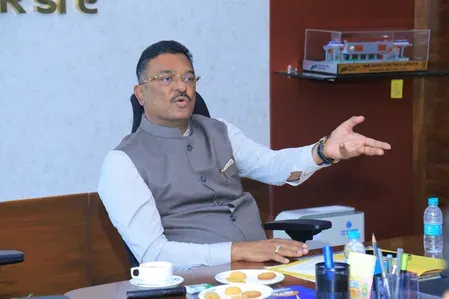
The Maharashtra State Road Transport Corporation (MSRTC), widely known as the 'Lal Pari', is staring at an estimated annual financial burden of ₹125 crore following the central government's decision to raise petrol and diesel prices by ₹3 per litre on Friday, 15 May. Maharashtra Transport Minister and MSRTC Chairman Pratap Sarnaik has signalled that a passenger fare hike may be unavoidable if the corporation cannot offset the additional costs through alternate revenue streams.
Scale of the Financial Hit
MSRTC operates across 251 depots and consumes nearly 11 lakh litres of diesel daily, making it acutely vulnerable to any upward movement in fuel prices. The ₹3 per litre increase translates into a substantial rise in daily operating expenditure, accumulating to an estimated ₹124–125 crore in additional annual costs, according to Minister Sarnaik.
This fresh blow arrives when the corporation is already carrying an accumulated loss of nearly ₹12,000 crore — a structural deficit that has dogged MSRTC for years and constrained its ability to absorb external shocks.
What the Minister Said
'The rise in petrol and diesel prices hits our operational costs directly,' Sarnaik told reporters. 'While we have not implemented a fare hike yet, we may have to consider it in the future. The corporation cannot continue to absorb such massive losses indefinitely,' he added.
The Minister acknowledged that global fuel markets, shaped by ongoing geopolitical tensions, have made it increasingly difficult to maintain current pricing. He stressed that the state government was actively exploring non-fare revenue options before passing any burden on to commuters.
Revenue Alternatives Being Explored
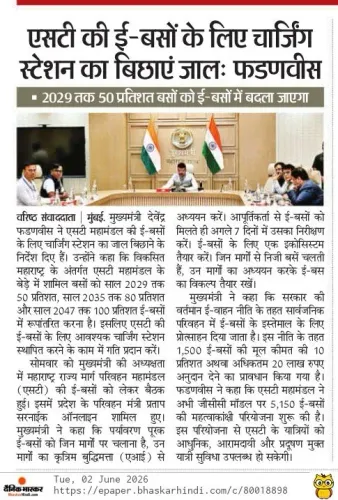
To cushion the financial impact, Sarnaik outlined a multi-pronged plan to grow non-ticket income. MSRTC is setting up over 100 multi-modal fuel stations — covering petrol, diesel, CNG, and EV charging — under a Public-Private Partnership (PPP) model, projected to generate ₹100 crore annually. The corporation is also accelerating its shift to electric buses, with charging stations eventually to be opened for private vehicles as an additional revenue source.
A separate advertising initiative — covering buses and bus stands — aims to earn over ₹250 crore over the next five years. Sarnaik indicated that these combined measures are intended to reduce reliance on fare hikes, though their full impact would take time to materialise.
Unions Push the 'Rajasthan Model'
Transport unions and the MSRTC Employees Congress have urged the state government to adopt what they call the 'Rajasthan Model' — reducing Value Added Tax (VAT) on diesel specifically for state transport buses. Rajasthan had lowered its VAT on diesel from 18.5% to 14% for its state transport corporation, providing meaningful relief without raising ticket prices. Unions argue that a similar VAT reduction in Maharashtra could absorb a significant portion of the fuel cost spike without burdening daily commuters.
Crackdown on Private Operator Overcharging
In a parallel measure aimed at protecting passengers, Minister Sarnaik announced the formation of a special committee to investigate and curb 'illegal and exorbitant' fare hikes by private bus operators — particularly during holiday seasons. He warned that unauthorised booking applications exploiting passengers would face strict regulatory action.
With millions of daily commuters across Maharashtra dependent on MSRTC as an affordable mode of transport, the coming weeks will determine whether the 'Lal Pari' can hold its fare line — or whether rising fuel costs will finally be reflected in ticket prices.
Point of View
000 crore in accumulated losses has no buffer against routine fuel price movements. The Rajasthan VAT model that unions are championing is a legitimate, passenger-friendly fix — but Maharashtra has so far preferred to absorb losses rather than restructure its tax treatment of state transport. The minister's non-fare revenue proposals, from fuel stations to bus-side advertising, are sensible long-term plays but will not close a ₹125 crore gap this year. If a fare hike does come, it will fall hardest on the rural and semi-urban commuters who have no viable alternative to the 'Lal Pari' — and that is the accountability question the government has not yet answered.
NationPress
7 Oct 2026
Frequently Asked Questions
Why is MSRTC considering a fare hike in 2025?
MSRTC is considering a fare hike because the central government's ₹3 per litre increase in diesel prices has added an estimated ₹125 crore to its annual operating costs. The corporation already has accumulated losses of nearly ₹12,000 crore and cannot indefinitely absorb rising fuel expenses, according to Transport Minister Pratap Sarnaik.
How much diesel does MSRTC consume daily?
MSRTC consumes nearly 11 lakh litres of diesel every day across its 251 depots. This high daily consumption is why even a ₹3 per litre price increase translates into a substantial ₹125 crore annual burden.
What is the 'Rajasthan Model' that MSRTC unions are demanding?
The 'Rajasthan Model' refers to Rajasthan's decision to reduce VAT on diesel from 18.5% to 14% specifically for its state road transport corporation. MSRTC unions and the MSRTC Employees Congress are urging Maharashtra to adopt a similar VAT cut so that the fuel cost burden does not get passed on to passengers.
What alternative revenue measures is MSRTC planning?
MSRTC plans to set up over 100 multi-modal fuel stations under a PPP model to generate ₹100 crore annually, accelerate its shift to electric buses, open its EV charging stations to private vehicles, and run an advertising programme on buses and at stands targeting over ₹250 crore over five years.
Has a fare hike been officially announced for MSRTC?
No fare hike has been officially announced. Transport Minister Pratap Sarnaik said on 15 May 2025 that a hike has not been implemented yet but may be considered in the future if the corporation cannot offset the additional fuel costs through alternate revenue sources.