Is Munir's International Fame Enough to Overcome Domestic Challenges?
Synopsis
As Pakistan Army Chief Field Marshal Asim Munir garners international attention, he faces severe domestic hurdles. With a poverty rate at an eight-year high and a stagnant economy, will Munir's efforts abroad translate to solutions at home? Dive into the complexities of Pakistan's current socio-economic landscape.
Key Takeaways
Poverty rate in Pakistan has hit an eight-year high of 25.3%.
Debt consumes almost half of the federal budget.
International attention does not mask the domestic challenges Munir faces.
Political opposition is stifled, with many leaders jailed or in hiding.
Structural reforms are crucial for economic stability .
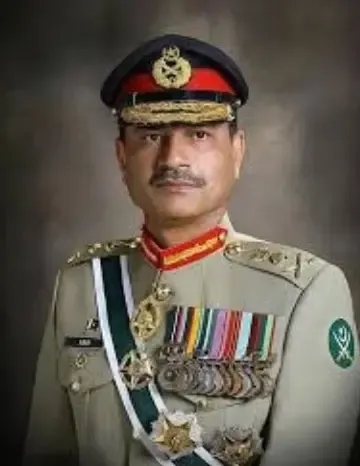
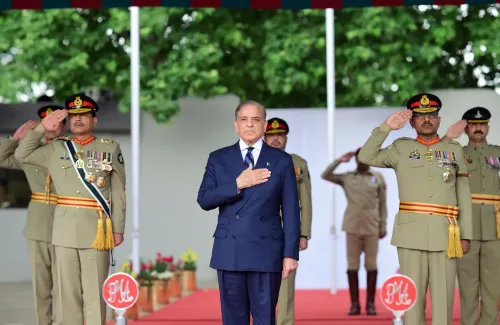
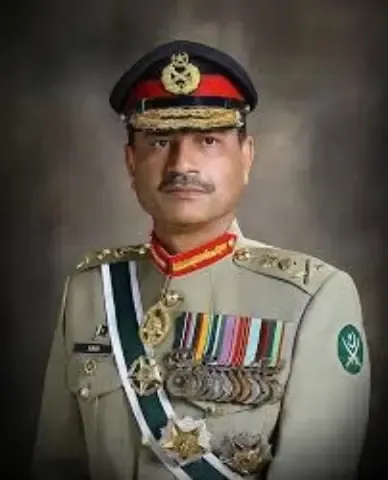
Colombo, Oct 29 (NationPress) The Chief of the Pakistan Army, Field Marshal Asim Munir, has been receiving considerable international attention, yet he faces significantly more daunting issues on the home front. The nation is grappling with an economy in stagnation, with the poverty rate escalating to an eight-year high of 25.3%, soaring debt that accounts for nearly half of the federal budget, and alarmingly low levels of investment, as highlighted in a recent report.
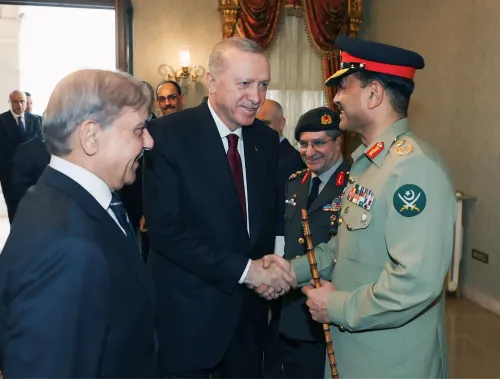
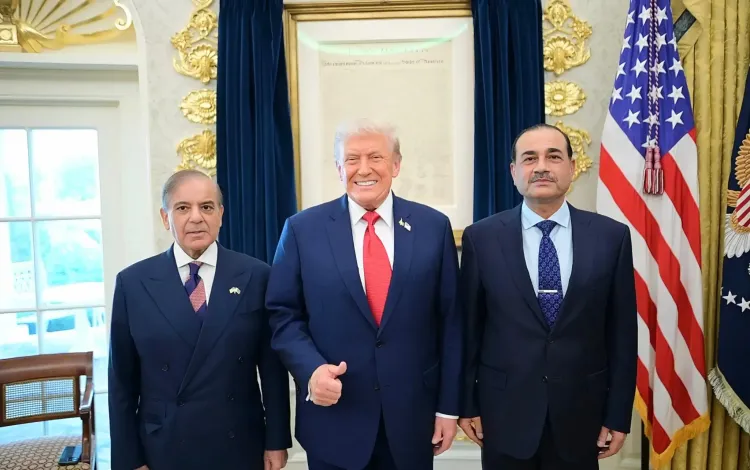
Munir has engaged in discussions with U.S. President Donald Trump on two occasions and is actively seeking alliances with other countries such as China, Saudi Arabia, and Iran. Although the International Monetary Fund (IMF) bailout and bilateral debt rollovers offer temporary relief, the country still struggles to implement necessary structural reforms.
According to the Financial Times, Munir's diplomatic efforts have repositioned Pakistan on the global stage after years plagued by political strife and economic instability, fostering hopes that foreign investments and security collaborations will help stabilize the nation. However, while Munir garners attention worldwide, he is met with far more pressing challenges at home, as reported by the Sri Lanka Guardian.
Pakistan faces a stagnant economy, with the poverty rate reaching an eight-year peak of 25.3%, escalating debt that consumes nearly half of the federal budget, and historically low investment levels. Even though the IMF bailout and debt rollovers provide short-term relief, substantial reforms remain out of reach amidst entrenched political and military interests. Critics assert that Munir has consolidated power in ways that surpass even the authority of previous military leaders.
Opposition figures, including former Prime Minister Imran Khan, are either imprisoned or in hiding, while media censorship continues to tighten in Pakistan. Despite projecting an image of stability, the nation is fraught with tensions, particularly with the Taliban in Afghanistan, and widespread public discontent fuels a volatile domestic environment. Efforts by the Pakistan Army to counter insurgency have been hampered by a lack of local support, worsening security challenges, as noted by the Sri Lanka Guardian, citing the Financial Times.
For ordinary citizens, the situation in Pakistan is increasingly precarious. Inspired by the popularity of Imran Khan, who is currently incarcerated in Adiala Jail, millions of young individuals in Pakistan are defiant against the military-led regime. Economists caution that Pakistan is facing an existential economic crisis, as growth fails to keep pace with a burgeoning population, and investor confidence has been rattled by past corporate departures.
As Munir displays confidence on the international stage, the real test lies within the nation, where poverty, political disenchantment, and security threats present a high-stakes environment. The Financial Times underscores the paradox of a military leader celebrated globally while the country he governs struggles to uphold basic stability and public trust, the report stresses.
Point of View
It is crucial to remain balanced in assessing the challenges faced by Pakistan under the leadership of Field Marshal Asim Munir. While his international engagements highlight a proactive approach to foreign policy, the underlying socio-economic issues must not be overlooked. The nation's stability depends on addressing domestic discontent and implementing essential reforms. Moving forward, the focus must be on fostering local support and economic recovery to truly secure a prosperous future for all citizens.
NationPress
30 Sept 2026
Frequently Asked Questions
What are the main challenges facing Pakistan currently?
Pakistan is facing a stagnant economy, a rising poverty rate, increasing debt, and low investment levels, all of which pose significant challenges for the nation.
How has Field Marshal Asim Munir's diplomacy affected Pakistan's international standing?
Munir's diplomatic efforts have re-established Pakistan on the global stage, attracting attention from major powers and fostering hopes for foreign investment and security partnerships.
What is the current state of political opposition in Pakistan?
Numerous opposition leaders, including former Prime Minister Imran Khan, are either imprisoned or in hiding, contributing to a climate of censorship and political unrest.
How does the IMF bailout impact Pakistan's economy?
The IMF bailout provides temporary relief, but without structural reforms, Pakistan's economic challenges are unlikely to improve significantly.
Why is the poverty rate increasing in Pakistan?
The poverty rate is increasing due to a stagnant economy, high inflation, and a lack of sufficient job opportunities, exacerbated by rising debt levels.