Sikkim Statehood Day 2025: Murmu calls it model of sustainable development
Synopsis
Sikkim's 50th Statehood Day drew greetings from India's top constitutional offices — President Murmu called it a national model of sustainable development, PM Modi recalled attending the golden jubilee celebrations in person, and Home Minister Shah spotlighted its status as the world's first fully organic state. The milestone reframes Sikkim not just as a scenic hill state, but as a governance benchmark.
Key Takeaways
President Droupadi Murmu called Sikkim a 'model of sustainable development' on Statehood Day, 16 May 2025 .
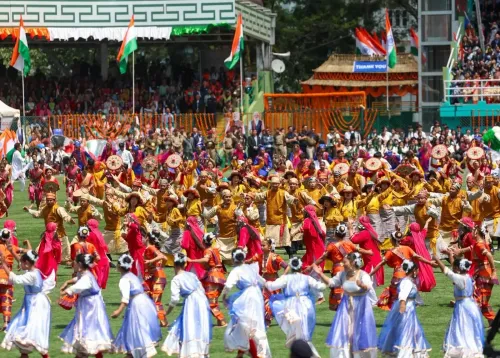
PM Narendra Modi attended Sikkim's 50th Statehood Day celebrations in the state and recalled the visit in his greeting message.
Home Minister Amit Shah highlighted Sikkim's distinction as the world's first fully organic state and its achievements in mountain tourism.
Sikkim became India's 22nd state on 16 May 1975 , transitioning from a Himalayan monarchy under the Namgyal dynasty .
2025 marks the golden jubilee of Sikkim's integration into the Union of India.
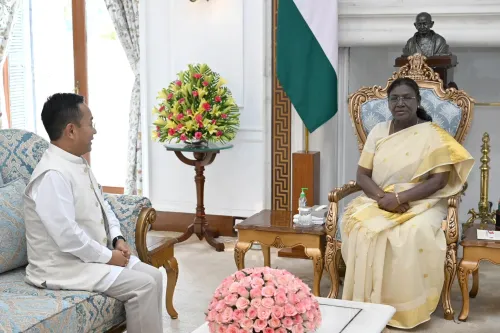
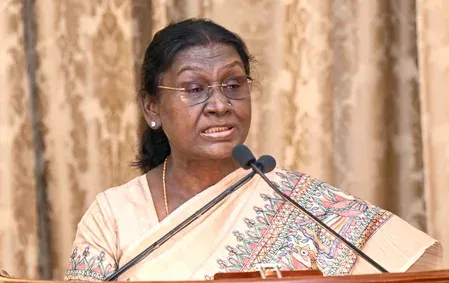
President Droupadi Murmu on Saturday, 16 May 2025 extended greetings to the people of Sikkim on the state's Statehood Day, describing the northeastern state as a national model of sustainable development. Her message highlighted Sikkim's natural beauty, cultural heritage, and environmental stewardship as defining qualities that set it apart among Indian states.
President Murmu's Message
In a post on X, President Murmu said, “Warm greetings to the people of Sikkim on the occasion of Statehood Day. With its magnificent natural beauty, rich cultural heritage, and strong commitment to environmental conservation, Sikkim stands as a model of sustainable development for the nation. The people of Sikkim are known for their warmth, simplicity, and spirit of harmony. May the state and its people continue to prosper.”
PM Modi Marks the 50th Milestone
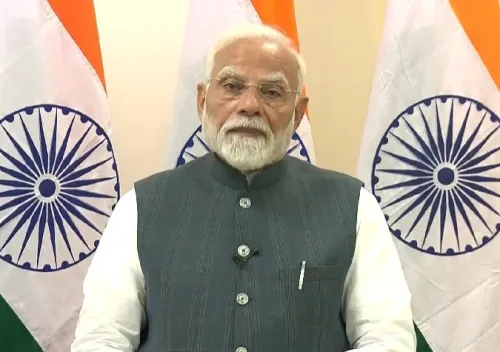
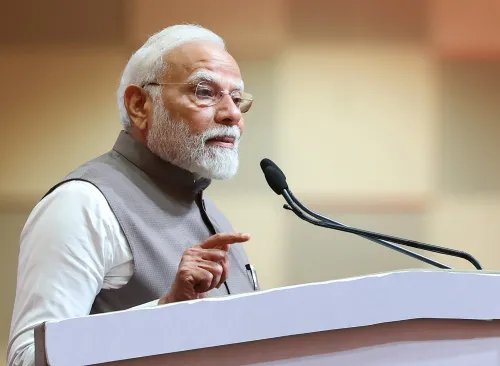
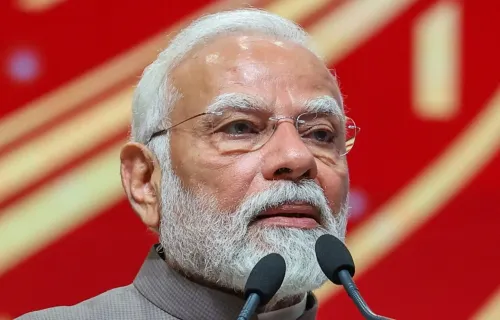
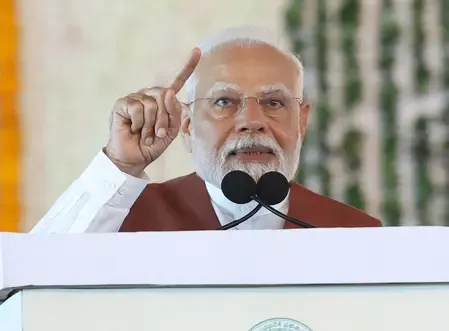
Prime Minister Narendra Modi also conveyed his greetings, underscoring Sikkim's contribution to India's broader development. In his post on X, Modi said, “Greetings to my sisters and brothers on their Statehood Day. The contribution of Sikkim to India's development is deeply valued. Wishing the people of the state good health and prosperity.”
Modi further noted that this year's occasion carries special significance, as Sikkim is marking its 50th Statehood Day. He recalled attending the golden jubilee celebrations in the state a few days prior, writing, “The warmth I received in Sikkim will remain a part of my memory. The Central Government will keep supporting Sikkim's growth trajectory in the times to come.”
Home Minister Shah on Organic Farming and Tourism
Union Home Minister Amit Shah also extended greetings, spotlighting Sikkim's achievements in environmental sustainability and mountain tourism. In his X post, Shah said, “On Sikkim Statehood Day, greetings to the sisters and brothers of the state. From the world's first fully organic state to redefining mountain tourism, its achievements inspire all of India. May Sikkim's glory continue to achieve new peaks.”
Historical Significance of Sikkim's Statehood
Sikkim Statehood Day is observed every year on 16 May, commemorating the state's formal integration into the Union of India in 1975, when it became the country's 22nd state. Prior to that, Sikkim was a sovereign Himalayan kingdom ruled by the Namgyal dynasty's Buddhist priest-kings, known as the Chogyals. After India's independence in 1947, Sikkim held the distinct status of an Indian protectorate before its eventual merger.
Notably, 2025 marks the golden jubilee of statehood — a milestone that has drawn renewed national attention to the state's journey from a Himalayan monarchy to one of India's most celebrated models of ecological governance. As the Centre reaffirms its development commitments, Sikkim's trajectory — particularly its organic farming leadership and tourism growth — is likely to remain a reference point in national policy discussions.
Point of View
Prime Minister, and Home Minister on Sikkim's 50th Statehood Day is more than ceremonial — it signals the Centre's strategic interest in projecting the state as a model of ecological governance at a time when India's environmental commitments face international scrutiny. Sikkim's organic farming achievement is real and verifiable, but its replication elsewhere has been limited by terrain, scale, and market access. The question worth asking is whether this golden jubilee moment translates into substantive policy support — infrastructure, climate resilience funding, connectivity — or remains a well-crafted narrative. Modi's personal attendance at the celebrations adds political weight, but Sikkim's border sensitivity and post-2023 flood recovery needs deserve as much attention as its scenic branding.
NationPress
3 Oct 2026
Frequently Asked Questions
Why is Sikkim Statehood Day celebrated on 16 May?
Sikkim Statehood Day is observed on 16 May every year to mark the date in 1975 when Sikkim formally merged with the Union of India and became the country's 22nd state. Before this, Sikkim was a sovereign Himalayan kingdom and later an Indian protectorate.
What did President Murmu say about Sikkim on Statehood Day 2025?
President Droupadi Murmu described Sikkim as a 'model of sustainable development for the nation,' praising its natural beauty, cultural heritage, and commitment to environmental conservation in a post on X on 16 May 2025.
Why is Sikkim's 2025 Statehood Day significant?
2025 marks the 50th anniversary — the golden jubilee — of Sikkim's statehood. PM Modi attended the celebrations in the state and affirmed the Centre's continued support for Sikkim's development.
What is Sikkim's claim to being the world's first fully organic state?
Sikkim became the world's first fully organic state after banning chemical pesticides and fertilisers across all its farmland, a transition completed by 2016. Home Minister Amit Shah referenced this achievement in his Statehood Day message.
Who ruled Sikkim before it became an Indian state?
Before 1975, Sikkim was ruled by the Namgyal dynasty's Buddhist priest-kings, known as the Chogyals. After India's independence in 1947, Sikkim held the status of an Indian protectorate until its formal integration into India.