How Do Your Stunning Hills and Rich Biodiversity Enhance India’s Diversity on Nagaland Statehood Day?
Synopsis
On Nagaland Statehood Day, Rahul Gandhi celebrates the state's breathtaking landscapes and rich biodiversity. The occasion sees leaders like Modi and Rio extending their wishes, highlighting Nagaland's vibrant culture and commitment to sustainability. Join us as we explore the significance of this day and the Hornbill Festival.
Key Takeaways
Nagaland's Statehood Day is celebrated on December 1.
Rahul Gandhi and other leaders recognized the state's significance.
Hornbill Festival showcases Naga culture and traditions.
Nagaland Act of 1962 established the state’s status.
The state is known for its rich biodiversity .
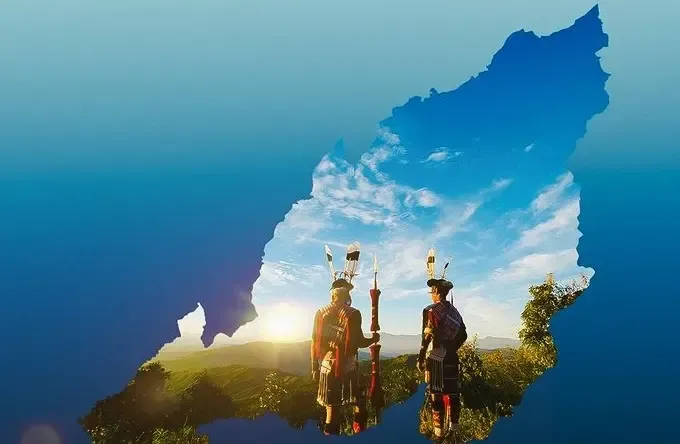
New Delhi, Dec 1 (NationPress) The Leader of Opposition in the Lok Sabha, Rahul Gandhi, on Monday conveyed his warm wishes to the residents of Nagaland on their Statehood Day, highlighting how the state’s stunning hills, rich biodiversity, and vibrant cultures significantly enhance India’s diversity.
Rahul Gandhi expressed his sentiments via social media platform 'X', stating, "Wishing a joyous Statehood Day to the people of Nagaland! Your breathtaking hills, abundant biodiversity, and dynamic cultures contribute immensely to the diversity of India. May Nagaland continue to thrive in a sustainable manner and achieve even greater milestones. Let us all unite to safeguard its unique heritage."
Earlier today, Prime Minister Narendra Modi also sent his regards to the people of Nagaland on this significant day, sharing his hopes for the northeastern state to progress towards prosperity and development.
Through a post on X, he remarked, "Happy Statehood Day to the people of Nagaland! The magnificent Naga culture, founded on service, bravery, and compassion, is widely respected. The people of Nagaland have excelled in various domains. May the state continue its journey towards prosperity and progress in the future."
Nagaland's Chief Minister Neiphiu Rio also expressed his well-wishes on social media, stating, "We honor our leaders who fought for our rights and identity, and the visionaries who shaped our future. Let’s collaborate for a prosperous, inclusive, and sustainable Nagaland, reaffirming our dedication to its advancement and well-being."
Nagaland was officially designated as a separate state on December 1, 1963, with Kohima as its capital.
The State of Nagaland Act, 1962, which was enacted by Parliament, facilitated its statehood.
Post India’s independence in 1947, the Naga territory was incorporated into Assam, but a vigorous nationalist movement emerged, pushing for political unity among the Naga tribes and, in some cases, complete secession from the Indian Union.
In 1957, the Naga Hills area of Assam and the Tuensang frontier division were unified into a single administrative entity under the direct oversight of the Government of India.
By 1960, it was agreed that Nagaland would become a part of the Indian Union. In 1963, Nagaland attained full statehood, and a democratically elected government took charge the following year.
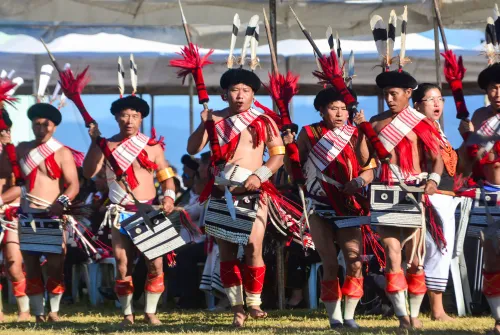
In conjunction with the Statehood Day celebrations, the ten-day Hornbill Festival commenced once again, uniting all major Naga tribes to showcase their living traditions through folklore, music, crafts, and culinary delights.
Point of View
It is imperative to acknowledge the significance of Nagaland's Statehood Day. This event not only highlights the state's unique cultural landscape but also reinforces India's commitment to regional diversity. It is crucial that we support Nagaland's journey toward sustainable development while respecting and preserving its rich heritage.
NationPress
11 Oct 2026
Frequently Asked Questions
When was Nagaland officially recognized as a state?
Nagaland was officially recognized as a separate state on December 1, 1963.
What is the Hornbill Festival?
The Hornbill Festival is a ten-day cultural festival that showcases the traditions, music, crafts, and cuisine of the major Naga tribes.
Who is the Chief Minister of Nagaland?
The Chief Minister of Nagaland is Neiphiu Rio.
What does the State of Nagaland Act, 1962 entail?
The State of Nagaland Act, 1962, passed by Parliament, paved the way for Nagaland’s statehood.
What are the main contributions of Nagaland to India’s diversity?
Nagaland contributes to India's diversity through its beautiful landscapes, rich biodiversity, and vibrant cultural traditions.