Is Nangarhar in Afghanistan Thriving Despite the Closure of the Torkham Crossing with Pakistan?
Synopsis
Discover how Nangarhar's vegetable market is thriving despite the prolonged closure of the Torkham crossing with Pakistan. With self-sufficiency in agriculture, local traders are redirecting surplus produce to other provinces, advocating for cold storage solutions to enhance their trade potential.
Key Takeaways
Nangarhar remains self-sufficient in vegetable production.
Traders are adapting by redirecting surplus to local markets.
Cold storage facilities are crucial for preserving produce.
The Taliban seeks assurances for reopening trade routes with Pakistan.
Economic resilience is vital for local communities.
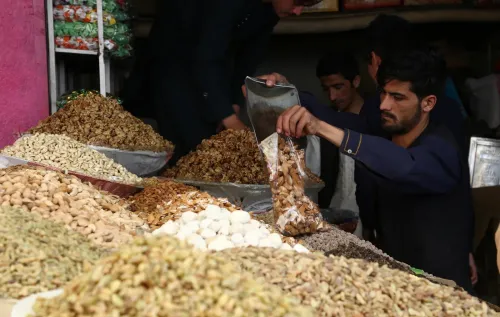
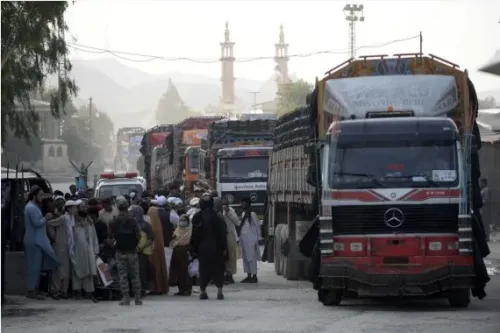
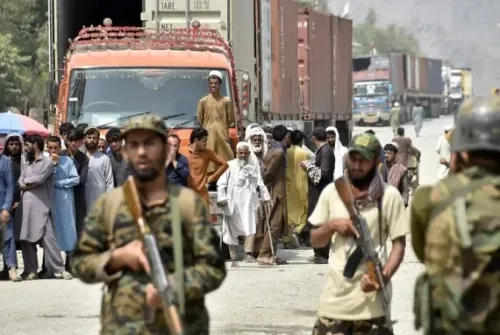
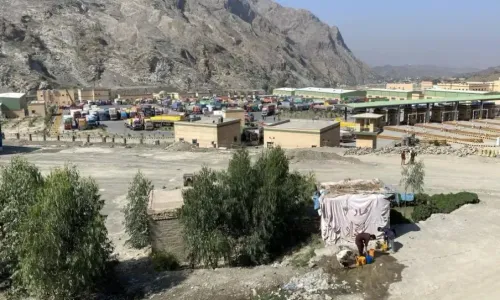
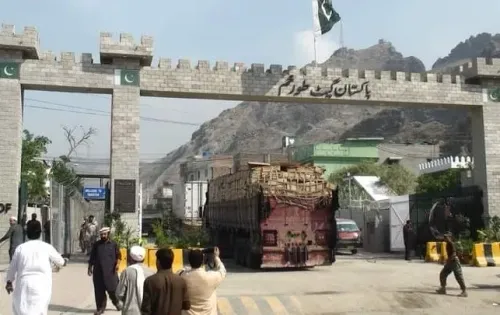
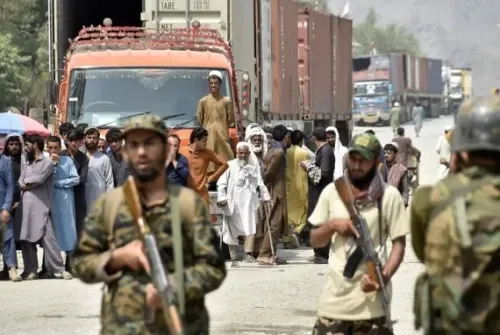
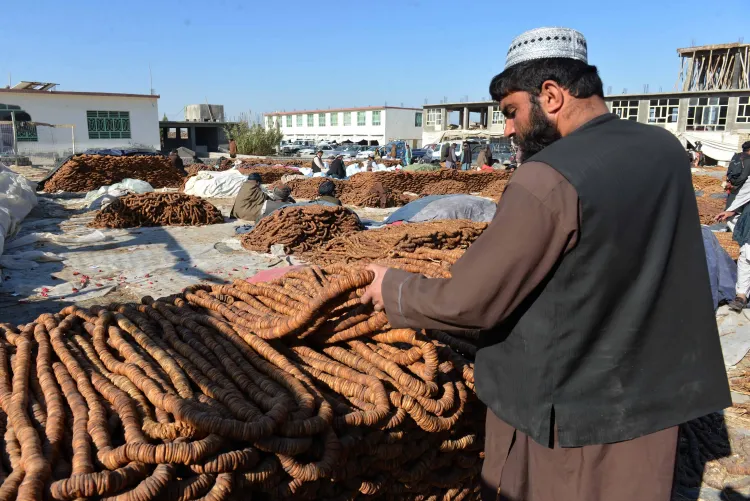
Kabul, Dec 29 (NationPress) The vegetable market in Nangarhar, Afghanistan, remains largely unaffected even after the Torkham crossing with Pakistan has been closed for nearly three months, as reported by local media on Monday. Officials have indicated that there has been no significant fluctuation in vegetable prices within the province, demonstrating that Nangarhar has achieved self-sufficiency in this area.
According to Stanagul Sherzad, deputy head of the Nangarhar Fresh Fruits and Vegetables Union, "The closure of the Torkham crossing has not impacted the trade of fruits and vegetables. Even with the road closed, we are managing well. Our province has produced such a surplus of fruits and vegetables that we are exporting them to various other regions of the country. We had even prepared onions for export to Pakistan, but since the road was shut, we redirected them to local markets," reported Tolo News.
Vegetable production in Nangarhar has seen an increase, with local produce now being distributed to other provinces instead of being exported to Pakistan. However, traders are advocating for the establishment of cold storage facilities to better preserve their vegetables.
A trader in Nangarhar, Jamrud, expressed, "We previously depended on Pakistan, but now that the crossing is closed, we are supplying Nangarhar-grown vegetables to other provinces. We urge the government to assist in facilitating vegetable exports to other nations."
Another trader, Mohammad Musa, noted that their onions spoiled after the Torkham crossing was closed; however, they managed to redirect them to other provinces. He called on the government to construct cold storage facilities to eliminate their reliance on Pakistan.
Officials from Nangarhar’s Department of Agriculture, Irrigation and Livestock stated that several cold storage units have already been developed in collaboration with the private sector. They added that construction of additional cold storage facilities will commence soon on 1,000 acres of land, following directives from the Taliban administration.
On December 4, the Taliban regime in Afghanistan announced that trade routes with Pakistan would reopen only after receiving strong assurances from the government in Islamabad.
In a statement shared on X, Taliban spokesperson Zabihullah Mujahid accused Pakistan of "illegally blocking" trade and transit routes with Afghanistan as a method of political and economic pressure, resulting in losses for individuals from both nations.
"The Islamic Emirate of Afghanistan reiterates its stance on reopening trade routes with Pakistan. The routes, which were unlawfully obstructed by Pakistan as a form of political and economic pressure, have caused severe losses to both parties. Since Afghanistan meets its needs from various other countries, we have decided to reopen trade routes with Pakistan only when strong assurances are obtained from their government, ensuring that these routes will not be closed again due to political manipulations or pressure on the people, thereby protecting the rights of traders and citizens of both nations," he shared on X.
Earlier in October, Pakistan had closed all trade routes with Afghanistan following military actions near the Durand Line. In response, Afghan forces also launched attacks. After the closure of the trade route, Afghanistan’s Deputy Prime Minister for Economic Affairs, Mullah Abdul Ghani Baradar Akhund, encouraged industrialists and traders to explore alternative trade routes instead of relying on Pakistan.
Point of View
I commend the resilience of Nangarhar's agricultural sector in the face of adversity. The closure of the Torkham crossing has forced local traders to adapt and innovate, demonstrating a commendable spirit of self-reliance. It’s essential for the government to support these efforts through infrastructure development, ensuring that the economic welfare of the region is prioritized.
NationPress
23 Sept 2026
Frequently Asked Questions
How has the closure of Torkham crossing affected Nangarhar?
Despite the closure, Nangarhar's vegetable market remains stable, with no significant price changes and increased self-sufficiency in agriculture.
What steps are traders in Nangarhar taking to deal with the closure?
Traders are redirecting surplus produce to local markets and other provinces, while advocating for cold storage facilities to preserve their vegetables.
What are the government's plans regarding cold storage facilities?
The government is working on constructing additional cold storage units in collaboration with the private sector to support local traders.
What is the Taliban's stance on trade routes with Pakistan?
The Taliban has stated that trade routes will reopen with Pakistan only after receiving strong assurances from the Pakistani government.
How are local traders adapting to the closure of trade routes?
Local traders are now focusing on supplying their produce to other provinces, reducing dependence on exports to Pakistan.