Naranag Temple in Ganderbal reopens for devotees and tourists after security review
Synopsis
Months after the Pahalgam terror attack shut Kashmir's tourist sites, J&K L-G Manoj Sinha has cleared the 8th-century Naranag Temple in Ganderbal for public access following a security audit — a tangible marker of the Valley's cautious return to normalcy and a boost for the region's battered pilgrimage and trekking economy.
Key Takeaways
J&K L-G Manoj Sinha announced the reopening of Naranag Temple , Ganderbal , on 20 June 2025 .
The temple was closed after the 22 April 2025 Pahalgam attack in which 26 civilians were killed by Lashkar-e-Taiba terrorists.
Reopening follows a comprehensive security audit; MLA Kangan Mian Mehr Ali had formally requested the decision.
The 8th-century temple, built by Lalitaditya Muktapida of the Karkota dynasty , is dedicated to Lord Shiva and is a protected archaeological site.
Naranag also serves as the base camp for treks to Mount Harmukh (16,870 ft) and Gangabal Lake .
Several other Valley tourist sites are being gradually reopened on a rolling security-clearance basis.
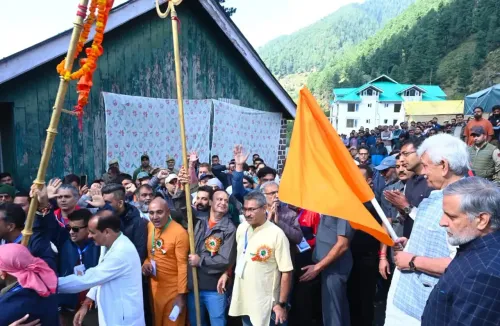
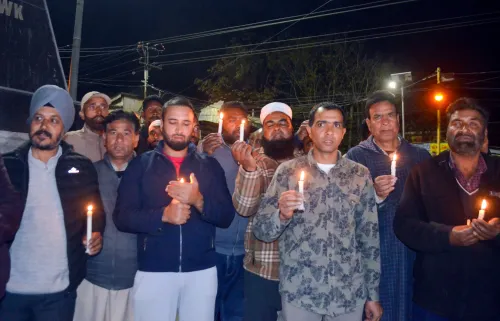
Jammu and Kashmir Lieutenant Governor Manoj Sinha on Saturday, 20 June announced the reopening of the historic Naranag Temple in Ganderbal district for devotees and tourists, following a comprehensive security audit. The ancient Hindu pilgrimage site had been shut to visitors as a precautionary measure after the 22 April 2025 terrorist attack in Pahalgam, which claimed 26 civilian lives.
The Announcement
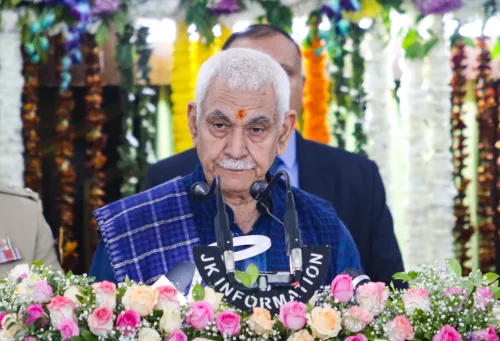
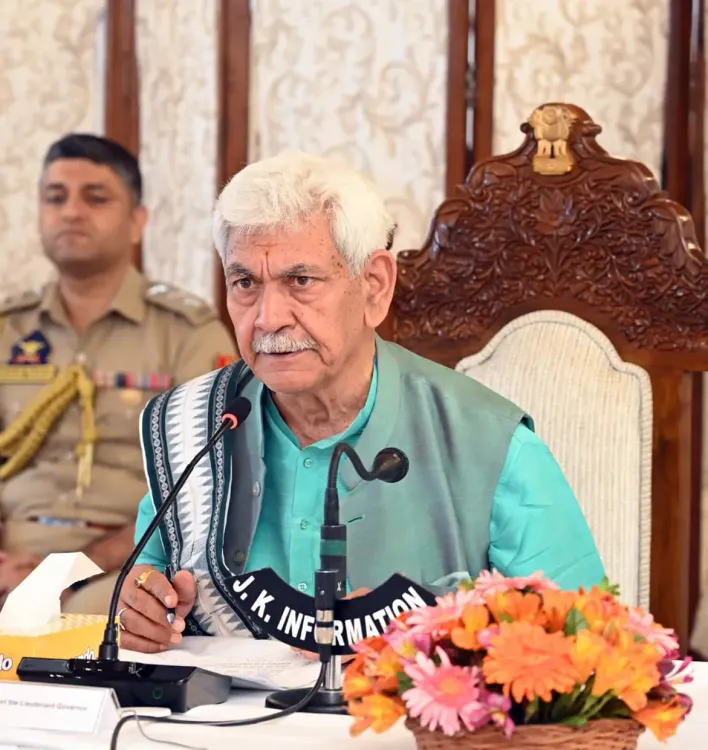
L-G Sinha confirmed the decision in a post on X, stating: 'After a thorough security review, a decision has been taken to open the Naranag Temple in Ganderbal for devotees and tourists.' The move follows a recent meeting between the L-G and MLA Kangan Mian Mehr Ali, who had formally requested the site's reopening on behalf of residents and pilgrims.
Why the Temple Was Closed
The closure was part of a broader precautionary shutdown of several tourist destinations across the Kashmir Valley in the wake of the Pahalgam attack, in which 26 civilians were killed by Pakistan-backed Lashkar-e-Taiba (LeT) terrorists. As the security environment has progressively stabilised, authorities have been conducting site-by-site audits before permitting public access. Naranag is among the latest sites to clear that review.
About Naranag Temple
Naranag Temple is an ancient Hindu pilgrimage complex located approximately 16 km from Kangan and 10 km upstream from the Sind stream, on the left bank of the Wangath stream in Ganderbal district. Historians attribute its construction to Lalitaditya Muktapida of the Karkota dynasty in the 8th century AD, and the complex is dedicated to Lord Shiva. It is also believed that King Awantivarman visited the site and donated a pedestal for bathing at Bhuteshwar.
The site consists of a cluster of temple ruins facing each other across a distance of roughly 200 metres and is recognised as one of India's significant archaeological sites. A tourism hut at Naranag provides visitor information and accommodation.
Significance for Trekkers and Tourists
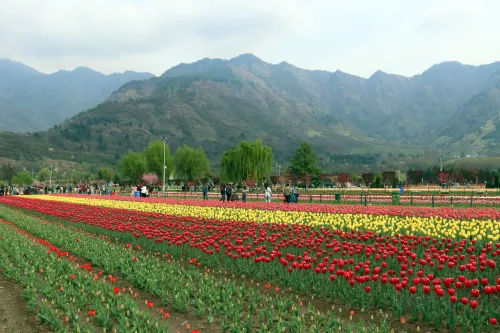
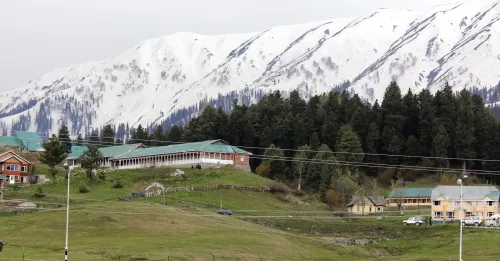
Beyond its religious and archaeological value, Naranag is a gateway to some of Kashmir's most scenic high-altitude terrain. It serves as the base camp for treks to Mount Harmukh, which rises to 16,870 feet (5,142 metres), and to the pristine Gangabal Lake. The surrounding meadows, lakes, and mountain vistas make it a draw for adventure tourists and pilgrims alike.
Gradual Reopening Across the Valley
The Naranag reopening is part of a phased restoration of tourist access across the Valley. Officials have indicated that sites will continue to be cleared on a rolling basis as security assessments are completed. The gradual resumption signals an effort to revive Kashmir's tourism economy, which was significantly disrupted following the Pahalgam attack.
Point of View
But the real test is whether the pace of reopenings matches the economic urgency facing Kashmir's tourism-dependent communities, many of whom have lost months of income. Notably, the decision was preceded by a legislator's formal request, suggesting that political pressure is also shaping the timeline — which raises the question of whether security clearances are being driven purely by ground assessments or partly by optics of normalcy.
NationPress
19 Sept 2026
Frequently Asked Questions
Why was Naranag Temple closed to visitors?
Naranag Temple was shut as a precautionary security measure following the 22 April 2025 terrorist attack in Pahalgam, in which 26 civilians were killed by Pakistan-backed Lashkar-e-Taiba terrorists. Several tourist destinations across the Kashmir Valley were closed at the same time pending security reviews.
Who announced the reopening of Naranag Temple?
Jammu and Kashmir Lieutenant Governor Manoj Sinha announced the reopening on 20 June 2025 via a post on X, confirming that a thorough security review had been completed. MLA Kangan Mian Mehr Ali had earlier formally requested the L-G to reopen the site.
What is the historical significance of Naranag Temple?
Naranag Temple is an 8th-century Hindu pilgrimage complex in Ganderbal district, attributed to Lalitaditya Muktapida of the Karkota dynasty and dedicated to Lord Shiva. It is one of India's recognised archaeological sites and consists of a cluster of ancient temple ruins spread across roughly 200 metres.
What trekking routes does Naranag offer?
Naranag serves as the base camp for treks to Mount Harmukh, which stands at 16,870 feet (5,142 metres), and to Gangabal Lake. The area is also known for its scenic meadows, lakes, and mountain landscapes, making it a popular destination for both pilgrims and adventure tourists.
Are other tourist sites in Kashmir also being reopened?
Yes, authorities are gradually reopening tourist destinations across the Kashmir Valley on a rolling basis as individual security assessments are completed. Naranag is among the latest sites to receive clearance following the post-Pahalgam security audit process.