NC dissident MLAs intensify pressure ahead of Farooq Abdullah meet
Synopsis
A rebellion is brewing inside J&K's ruling National Conference. With dissident MLAs meeting for the fourth time and preparing demands that sources say would be harder for Omar Abdullah to accept than his own resignation, Friday's showdown with Dr Farooq Abdullah will test whether the party patriarch can hold his fractured flock together — or whether the cracks deepen.
Key Takeaways
Dissident NC MLAs met for the fourth time on 5 November 2025 at the residence of Mubarak Gul in Srinagar .
The group is demanding removal of Deputy CM Surinder Choudhary from cabinet or his R&B portfolio , citing corruption allegations.
Dissidents also want Nasir Aslam Wani removed as CM's advisor and NC MP Shammi Oberoi's influence over party affairs curtailed.
The group claims 20 MLAs are with them, but only 12 have gone public; a formal split requires at least 28 (two-thirds of NC's 41 MLAs).
MP Aga Syed Ruhullah Mehdi's resignation from NC and Lok Sabha has been linked by party spokespersons to alleged BJP 'Operation Lotus'.
Both Dr Farooq Abdullah and Omar Abdullah have yet to publicly respond to the dissent.
A group of dissident legislators from the ruling National Conference (NC) in Jammu and Kashmir met for the fourth time on Thursday, 5 November 2025, sharpening their list of demands ahead of a critical meeting with party president Dr Farooq Abdullah scheduled for Friday. What began as resentment over cabinet exclusions has now been framed by the rebels as a 'larger cause to save the over 80-year-old political party'.
The Dissidents and Their Demands
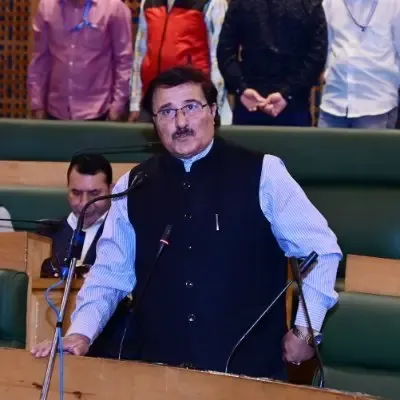
The meeting was held at the residence of dissident NC MLA Mubarak Gul, who had earlier deferred a press conference but asserted he remained firm in his resolve. Other prominent disgruntled legislators include Abdul Majeed Larmi, Nazir Ahmad Gurezi, and Pirzada Farooq Ahmad Shah. The group claims to represent 20 MLAs, though only 12 have publicly identified themselves so far.
Their grievances reportedly trace back to Chief Minister Omar Abdullah's reshuffled cabinet, which the dissidents say overlooked their seniority and standing within the party. They are now presenting three core demands before the party high command.
The Three Non-Negotiable Demands
First, the dissidents want Deputy Chief Minister Surinder Choudhary either removed from the cabinet or stripped of the Roads and Buildings (R&B) portfolio, lodging corruption allegations against him. Second, they are demanding the removal of Nasir Aslam Wani, advisor to the Chief Minister, and an end to the influence of NC MP Shammi Oberoi over party affairs — both of whom are described as close allies of Omar Abdullah. Third, they want ministers who have served for two years to be dropped and replaced with fresh faces chosen in consultation with MLAs.
Sources close to Omar Abdullah have said that conceding to the first two demands 'would be more difficult for Omar Abdullah than asking him to step down as the Chief Minister.'
The Ruhullah Resignation and BJP's Shadow
The dissent within the NC has been complicated by the recent resignation of MP Aga Syed Ruhullah Mehdi from both the party and the Lok Sabha. NC spokespersons Salman Sagar and Sajad Shaheen attributed the resignation to what they called 'Operation Lotus' — referring to alleged Bharatiya Janata Party (BJP) efforts to destabilise opposition parties. They cited remarks made by BJP national vice president Ram Madhav at Jammu on Tuesday, where he reportedly said Ruhullah was holding a rally with the blessings of 'our people.' Madhav, however, categorically denied that the BJP had any role in the latest developments within the NC.
The Arithmetic of Dissent
In the 90-member Jammu and Kashmir Legislative Assembly, the NC holds 41 seats and is supported by six Congress legislators, one CPI(M) member, and five Independents. Under anti-defection rules, dissident MLAs cannot form a breakaway group unless they represent at least two-thirds of the NC's legislative strength — meaning at least 28 MLAs would need to split. With only 12 faces having come forward publicly, the dissent, analysts note, is structurally constrained to remain an internal pressure campaign rather than a genuine split.
What Farooq Abdullah Is Expected to Do
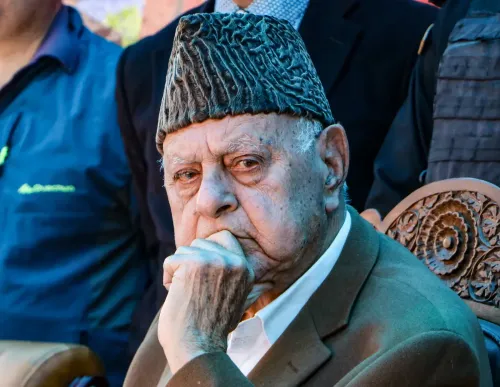
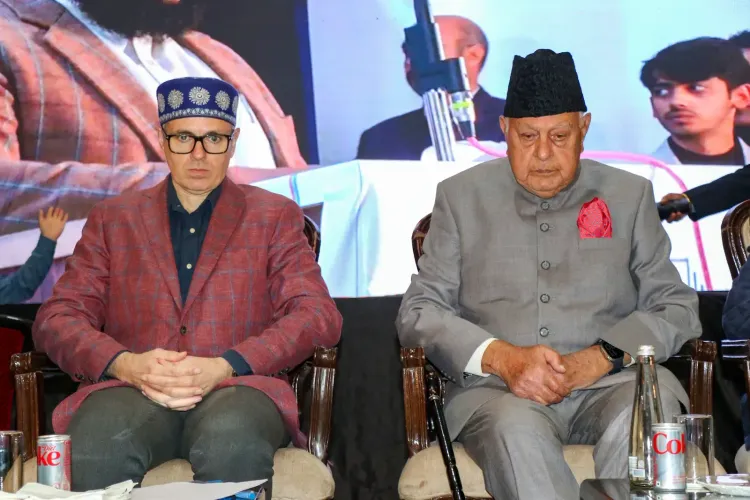
Both Dr Farooq Abdullah and Omar Abdullah have so far declined to publicly respond to the internal rebellion. Dr Abdullah is expected to use his considerable stature and unchallenged authority within the party to bring the dissidents to agreeable terms at Friday's meeting. How much the Abdullah family is willing to concede will determine whether this episode remains, as sources describe it, 'a storm in a teacup' — or escalates into something more consequential for the government's stability.
Point of View
This rebellion has a ceiling, and Dr Farooq Abdullah knows it. The more instructive question is what Omar Abdullah will quietly concede behind closed doors to defuse the pressure without appearing to capitulate. The BJP's shadow — real or imagined — over Ruhullah's resignation gives the NC high command a convenient external villain to redirect internal anger, and they are using it. Whether Farooq's stature is enough to close the gap between what the dissidents demand and what Omar can afford to give will define the government's credibility heading into its next phase.
NationPress
5 Nov 2026
Frequently Asked Questions
Why are National Conference MLAs revolting against Omar Abdullah?
The dissent stems from Chief Minister Omar Abdullah's cabinet reshuffle, in which several senior MLAs — including Mubarak Gul, Abdul Majeed Larmi, and Nazir Ahmad Gurezi — were reportedly overlooked. The disgruntled legislators claim their seniority and importance to the party were ignored when new ministers were chosen.
What are the key demands of the NC dissident MLAs?
The dissidents have three primary demands: removal of Deputy CM Surinder Choudhary from the cabinet or at least from the R&B portfolio over corruption allegations; removal of CM advisor Nasir Aslam Wani and curtailment of NC MP Shammi Oberoi's influence; and induction of new ministers in place of those who have served two years, chosen in consultation with MLAs.
Can the NC dissident MLAs split from the party?
Under anti-defection rules, a formal split requires at least two-thirds of the NC's legislative strength — meaning at least 28 of its 41 MLAs. The dissidents claim 20 MLAs support them, but only 12 have publicly identified themselves, making a formal breakaway legally difficult at this stage.
What is 'Operation Lotus' and how does it relate to the NC crisis?
NC spokespersons Salman Sagar and Sajad Shaheen have attributed the resignation of MP Aga Syed Ruhullah Mehdi from the party and the Lok Sabha to what they call 'Operation Lotus' — an alleged BJP strategy to weaken opposition parties. BJP national vice president Ram Madhav denied the party's involvement, though he had earlier noted Ruhullah was holding a rally with support from 'our people'.
What role is Dr Farooq Abdullah expected to play in resolving the crisis?
Dr Farooq Abdullah is scheduled to meet the dissident MLAs on Friday and is expected to use his unchallenged authority as party president to bring the rebels to agreeable terms. The outcome will hinge on how much the Abdullah family is willing to concede, with sources indicating the core demands are considered non-negotiable by Omar Abdullah's camp.