NCB chief meets Dutch envoy to bolster drug trafficking cooperation
Synopsis
India's top narcotics official and the Dutch Ambassador have put a formal anti-drug MoU on the table — a signal that the India-Netherlands synthetic drug corridor, running both ways through darknet markets and chemical precursor shipments, has reached a scale that demands treaty-level intervention. The terror-financing link flagged by officials raises the stakes considerably.
Key Takeaways
NCB Director General Anurag Garg met Dutch Ambassador Marisa Gerards on Wednesday to discuss bilateral drug trafficking cooperation.
Both sides discussed a proposed Memorandum of Understanding (MoU) on narcotics control and cooperation.
Chemical precursors for designer drugs reportedly flow from India to the Netherlands ; synthetic narcotics including MMDA and LSD flow back via darknet markets.
Officials flagged links between narcotics trafficking and terror financing .
Synthetic drugs are a rising threat among urban youth in India, with the country also used as a transit route to Bangladesh.
The meeting is part of India's broader Nasha Mukt Bharat initiative under the Ministry of Home Affairs .
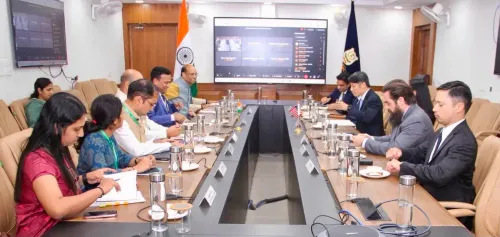
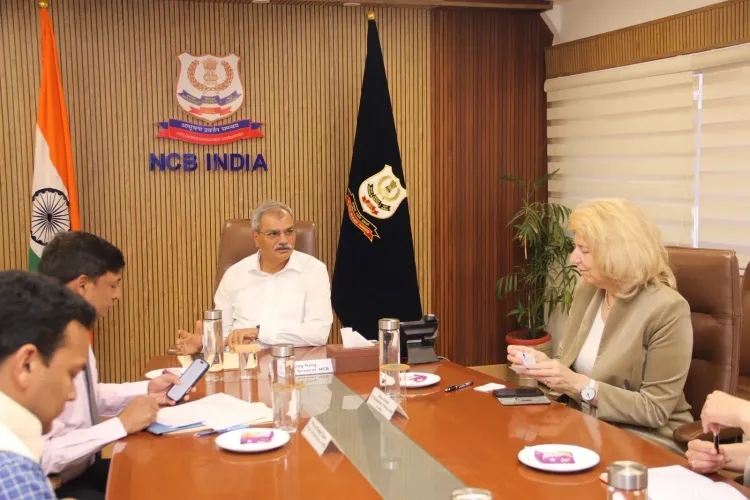
Anurag Garg, Director General of the Narcotics Control Bureau (NCB), met a high-level delegation from the Netherlands on Wednesday, led by Marisa Gerards, Ambassador of the Kingdom of the Netherlands to India, to strengthen bilateral efforts against illicit drug trafficking. The talks, held in New Delhi, covered intelligence sharing, legal frameworks, and the possibility of a formal cooperation pact between the two countries.
Key Developments from the Meeting
According to reports, discussions centred on the prevailing drug situation in both nations, operational challenges, best practices, and emerging threats of mutual concern. The NCB confirmed on its official X account that both sides reaffirmed their commitment to combating illicit drug trafficking and organised crime.
'Both sides reaffirmed their commitment to strengthening international cooperation against illicit drug trafficking and organised crime. The possibility of establishing a Memorandum of Understanding (MoU) on narcotics control and cooperation between the respective agencies was also discussed,' the NCB posted.
The Drug Flow Between India and the Netherlands
Officials noted a troubling two-way narcotics corridor between the two countries. Chemical precursors used in the manufacture of designer drugs are reportedly trafficked from India to the Netherlands, while synthetic narcotics — including MMDA and LSD — flow back into India through darknet markets. The NCB has been actively working to intercept these chemical shipments and block the entry of synthetic substances sourced from international vendors in the Netherlands.
Synthetic Drugs: A Growing Threat
Synthetic drugs have emerged as a significant public health concern in India, with demand rising sharply among educated, urban youth. The threat extends beyond domestic consumption — India is also reportedly used as a transit route by traffickers to smuggle synthetic narcotics into Bangladesh. Notably, officials have flagged that in some cases, narcotics trafficking has been linked to terror financing, adding a security dimension to what is already a complex law enforcement challenge.
'In some cases, the trafficking of narcotics has been linked to terror financing. India is looking forward to greater global cooperation in tackling the menace,' an official said.
India's Broader Anti-Drug Framework
The meeting aligns with the Ministry of Home Affairs (MHA) push for a Nasha Mukt Bharat (Drug-Free India), under which the NCB and allied agencies have been tasked with disrupting both the production and trafficking of narcotics. Intelligence sharing on synthetic drug networks is already under way between Indian and Dutch agencies, with a formal MoU now on the table to institutionalise these efforts.
What Comes Next
The two sides are expected to advance negotiations on the proposed MoU, which would create a structured channel for joint operations, data exchange, and capacity building. If concluded, it would mark a significant step in India's expanding web of bilateral narcotics cooperation agreements. The NCB's outreach to the Netherlands reflects a broader recognition that synthetic drug threats require coordinated international responses rather than unilateral enforcement.
Point of View
Synthetic narcotics coming in — points to a structural integration of Indian supply chains into global designer-drug networks, not a peripheral exposure. The terror-financing angle, flagged by officials, is the detail mainstream coverage tends to bury: it reframes this from a public health issue into a national security one. An MoU, if concluded, will only matter if it includes operational teeth — joint interdictions, real-time intelligence feeds — rather than the ceremonial cooperation frameworks that have historically produced press releases but few seizures.
NationPress
16 Sept 2026
Frequently Asked Questions
What was discussed in the NCB and Netherlands meeting?
The meeting between NCB Director General Anurag Garg and Dutch Ambassador Marisa Gerards covered the drug situation in both countries, legal frameworks, operational challenges, best practices, and emerging threats. A key agenda item was the possibility of signing a Memorandum of Understanding (MoU) on narcotics control and cooperation.
What is the drug trafficking link between India and the Netherlands?
Officials say chemical precursors used to manufacture designer drugs are trafficked from India to the Netherlands, while synthetic narcotics such as MMDA and LSD are routed back into India through darknet markets. The NCB has been working to intercept these flows on both ends.
Why is the proposed India-Netherlands MoU on narcotics significant?
A formal MoU would institutionalise intelligence sharing and joint operations between Indian and Dutch agencies, creating a structured legal framework to tackle synthetic drug networks. It would add the Netherlands to India's growing list of bilateral narcotics cooperation partners.
How are synthetic drugs linked to terror financing in India?
Officials have stated that in some cases, narcotics trafficking networks have been linked to terror financing, elevating the issue beyond a public health concern into a national security matter. India has said it is seeking greater global cooperation to address this nexus.
What is Nasha Mukt Bharat and how does it relate to this meeting?
Nasha Mukt Bharat, or Drug-Free India, is an initiative of the Ministry of Home Affairs aimed at eliminating drug production and trafficking across the country. The NCB's international outreach, including this meeting with Dutch officials, is part of that broader mandate.