BRICS Guwahati Declaration 2026: Real-time drug intel sharing agreed
Synopsis
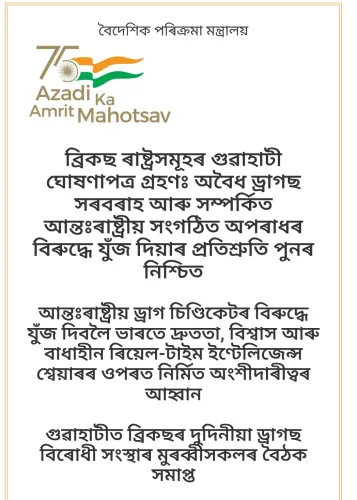
At a two-day meeting in Guwahati, BRICS nations signed off on a landmark anti-drug declaration that commits the bloc — including China, Russia, Brazil and six others — to real-time intelligence sharing and a joint assault on darknet trafficking and synthetic drug networks. India's NCB chief proposed a BRICS Virtual Working Group, signalling New Delhi's intent to make counter-narcotics a defining pillar of its 2026 chairship.
Key Takeaways
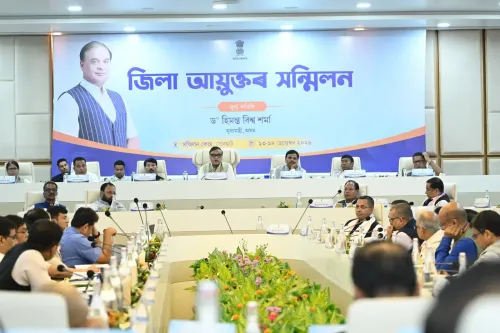
The Guwahati Declaration was adopted on 7 July 2026 at the BRICS Heads of Anti-Drug Agencies Meeting in Guwahati .
Member nations committed to real-time intelligence sharing and coordinated law enforcement against transnational drug networks.
The declaration flags synthetic drugs , New Psychoactive Substances (NPS) , darknet trafficking and precursor chemical diversion as priority threats.
NCB Director General Anurag Garg proposed a BRICS Virtual Working Group and enhanced cross-border training initiatives.
India presented a three-year anti-narcotics roadmap (2026–2029) under its zero-tolerance drug policy.
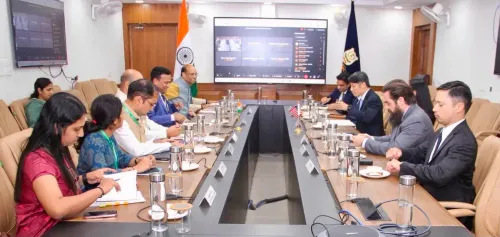
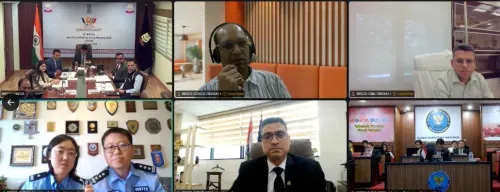
Delegates from 8 nations — Brazil, China, Ethiopia, India, Indonesia, Iran, Russia and the UAE — participated in the deliberations.
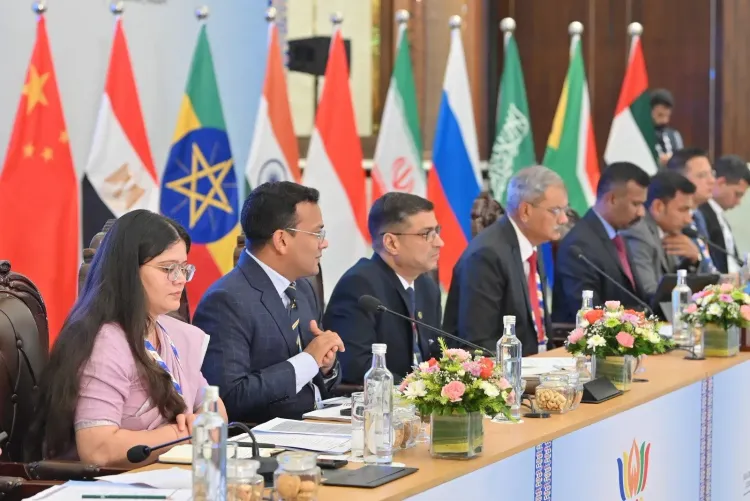
The BRICS nations on Tuesday, 7 July 2026, adopted the Guwahati Declaration at the close of a two-day Heads of Anti-Drug Agencies Meeting in Guwahati, committing to deeper cooperation against illicit drug trafficking and transnational organised crime. The declaration — adopted under India's BRICS Chairship 2026 — centres on real-time intelligence sharing, digital enforcement tools and coordinated cross-border action.
What the Declaration Commits To
Member nations pledged to accelerate the timely exchange of information, intelligence and best practices in line with national laws and international obligations. The declaration also calls for greater deployment of innovative technologies, digital tools and data-driven approaches to counter drug trafficking networks. Critically, it flags rising concern over synthetic drugs, New Psychoactive Substances (NPS), the diversion of precursor chemicals, and the exploitation of maritime routes and digital platforms by transnational criminal syndicates.
India's Position and the NCB's Push
Narcotics Control Bureau (NCB) Director General Anurag Garg led the Indian delegation, calling on BRICS anti-drug agencies to build a partnership grounded in speed, mutual trust and seamless real-time intelligence sharing. Garg outlined India's zero-tolerance drug policy pursued under Prime Minister Narendra Modi and Union Home Minister Amit Shah, and presented a three-year roadmap (2026–2029) anchored in a network-centric approach. The roadmap targets dismantling criminal networks, preventing drug abuse through awareness campaigns, and strengthening treatment, de-addiction and rehabilitation infrastructure.
In his concluding remarks, Garg proposed the creation of a BRICS Virtual Working Group and enhanced cross-border training programmes, arguing that anti-drug agencies must act collectively to break increasingly interconnected global trafficking networks.
Key Challenges on the Table
Delegates from Brazil, China, Ethiopia, India, Indonesia, Iran, Russia and the United Arab Emirates deliberated on a range of emerging threats: darknet-enabled trafficking, digital drug networks, precursor chemical diversion, and vulnerabilities in global supply chains that allow chemical leakage. The declaration also stressed specialised demand-reduction initiatives, with a particular focus on protecting children and youth through evidence-based, people-centric approaches.
India's BRICS Chairship Context
India's 2026 BRICS Chairship is guided by the theme 'Building for Resilience, Innovation, Cooperation and Sustainability.' The Guwahati meeting is one of several sectoral engagements under that framework, reflecting New Delhi's effort to position counter-narcotics cooperation as a pillar of the bloc's security agenda. This is the first such Heads of Anti-Drug Agencies Meeting held on Indian soil under India's chairship, lending the declaration added diplomatic weight.
With the Guwahati Declaration now formally adopted, the next steps — including the operationalisation of the proposed Virtual Working Group and the launch of cross-border training initiatives — will determine whether the commitments translate into measurable disruption of drug networks.
Point of View
But the inclusion of UAE and Iran alongside China and Russia in a drug-intel-sharing arrangement raises legitimate questions about the depth of trust that can realistically be achieved. The declaration's strength will be measured not in Guwahati, but in the number of trafficking networks actually dismantled through joint action.
NationPress
6 Oct 2026
Frequently Asked Questions
What is the Guwahati Declaration adopted by BRICS?
The Guwahati Declaration is a joint commitment adopted by BRICS nations on 7 July 2026 at the conclusion of a two-day Heads of Anti-Drug Agencies Meeting in Guwahati. It pledges real-time intelligence sharing, use of digital tools and coordinated law enforcement to combat illicit drug trafficking and transnational organised crime.
Which countries participated in the BRICS anti-drug meeting in Guwahati?
Delegates from eight nations participated: Brazil, China, Ethiopia, India, Indonesia, Iran, Russia and the United Arab Emirates. The meeting was held under India's BRICS Chairship 2026.
What is India's three-year anti-narcotics roadmap announced at the meeting?
India's roadmap covers the period 2026 to 2029 and is built on a network-centric approach. It aims to dismantle criminal drug networks, prevent drug abuse through awareness campaigns, and strengthen treatment, de-addiction and rehabilitation services.
What is the BRICS Virtual Working Group proposed at the Guwahati meeting?
NCB Director General Anurag Garg proposed the creation of a BRICS Virtual Working Group to enable faster, more structured intelligence exchange among member nations' anti-drug agencies. It would be complemented by enhanced cross-border training initiatives.
Why is the Guwahati Declaration significant for India?
It marks a key deliverable under India's BRICS Chairship 2026, positioning counter-narcotics cooperation as a central pillar of the bloc's security agenda. It is also the first such Heads of Anti-Drug Agencies Meeting hosted by India under its chairship, adding diplomatic weight to the commitments made.