What Steps Has India Taken to Combat Drug Trafficking with Other Nations?

Synopsis
India is stepping up its fight against drug trafficking by signing numerous international agreements aimed at enhancing cooperation. With 27 bilateral agreements and 19 MoUs, the country is determined to combat this global crisis through collaboration and intelligence sharing.
Key Takeaways
India has signed 46 agreements with various countries to combat drug trafficking.
Collaboration with international organizations is crucial for effective operations.
Maritime surveillance is being strengthened to tackle coastal drug trafficking.
Real-time information sharing with foreign agencies is essential for intelligence operations.
Bilateral talks with neighboring countries are ongoing to address drug-related issues.
New Delhi, Dec 16 (NationPress) India has established Bilateral Agreements with 27 nations and signed Memoranda of Understanding (MoUs) with 19 countries aimed at tackling the global issue of drug trafficking, as disclosed in Parliament on Tuesday.
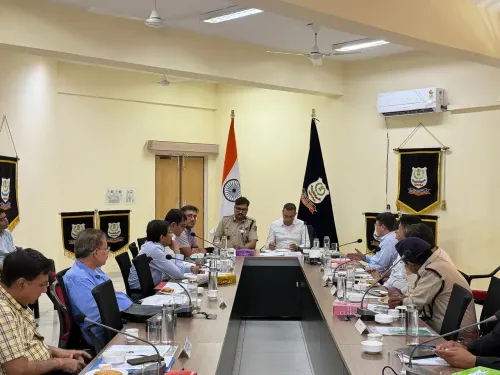
During a written response in the Lok Sabha, Minister of State for Home Affairs Nityanand Rai stated that the Narcotics Control Bureau (NCB) collaborates with various international organizations to exchange information and intelligence to fight against transnational drug trafficking.
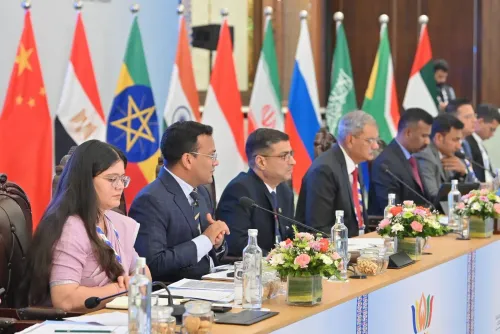
To combat the illegal trafficking of Narcotic Drugs and Psychotropic Substances (NDPS), as well as Chemical Precursors and related crimes, the NCB partners closely with organizations such as the South Asian Association for Regional Cooperation - Drug Offences Monitoring Desk (SAARC-SDOMD), BRICS, Colombo Plan, ASEAN, and ASEAN Senior Officials on Drug Matters (ASOD).
Furthermore, the NCB collaborates with the Bay of Bengal Initiative for Multi-Sectoral Technical and Economic Co-Operation (BIMSTEC), Shanghai Cooperation Organisation (SCO), United Nations Office on Drugs and Crime (UNODC), and the International Narcotics Control Board (INCB).
Rai explained that the NCB engages in real-time information sharing with various Drug Liaison Officers from other nations, including the Drug Enforcement Agency (DEA) of the USA, the National Crime Agency of the UK, the Royal Canadian Mounted Police (RCMP), the Austrailian Federal Police (AFP), and the Office Anti-Stupefiants (OFAST) of France, for operational and intelligence insights.
He noted that Director General Level Talks and Bilateral discussions are also conducted with neighboring countries, including Myanmar, Iran, Bangladesh, Indonesia, Singapore, Afghanistan, and Sri Lanka, to address various issues related to drug trafficking that have international repercussions.
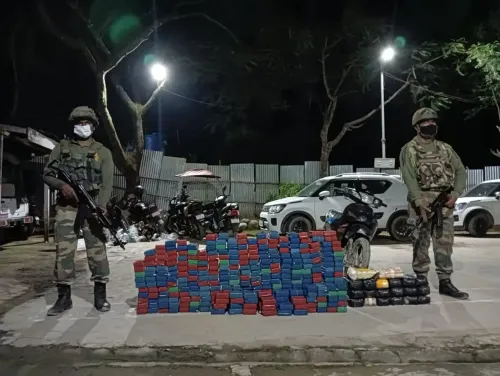
The Minister of State emphasized that maritime surveillance systems have been enhanced to deter the trafficking of drugs, including synthetic variants, through coastal areas.
India is actively engaging in global coalitions to tackle synthetic drugs, which involves increased information sharing, joint operations, and collaborative efforts to track and dismantle international drug trafficking networks.
Point of View
It is imperative to recognize India's proactive approach in addressing the global drug crisis. The signing of 46 international agreements underscores a commitment to not only safeguarding national interests but also contributing to global security. By collaborating with various nations and organizations, India is taking significant steps towards combating the pervasive issue of drug trafficking.
NationPress
26 Sept 2026
Frequently Asked Questions
What are the recent steps taken by India to combat drug trafficking?
India has signed 27 bilateral agreements and 19 MoUs with other countries to enhance cooperation in fighting drug trafficking.
Which organizations does the Narcotics Control Bureau collaborate with?
The NCB collaborates with organizations like SAARC, BRICS, UNODC, and ASEAN among others for intelligence sharing and operational support.
How does India plan to strengthen its maritime surveillance?
India is enhancing maritime surveillance systems to prevent drug trafficking through its coastal regions.