NCB secures 10-year conviction for 523 kg ganja trafficking, Odisha to Gujarat
Synopsis
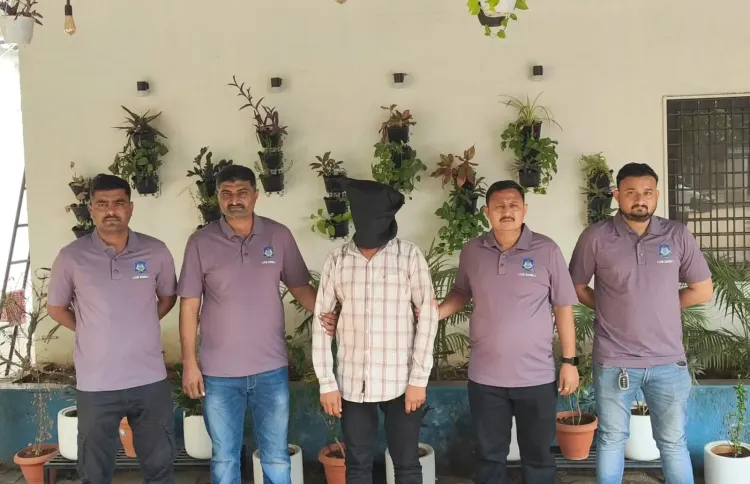
A Surat court has convicted two men of trafficking over 523 kg of ganja from Odisha to Gujarat, sentencing each to 10 years rigorous imprisonment. The verdict, delivered on 3 October, closes a four-year case stemming from an NCB intercept where the contraband was hidden beneath a pineapple consignment — a recurring tactic on India's eastern-to-western drug corridor.
Key Takeaways
The Additional District and Sessions Court, Surat convicted Shaikh Akil Shaikh and Ayaz Shaikh on 3 October 2026 under the NDPS Act, 1985 .
Both men were sentenced to 10 years rigorous imprisonment and fined ₹1 lakh each .
Officers seized 523.450 kg of ganja packed in 17 sacks containing 101 packets , concealed beneath pineapples in a Tata truck.
The interception took place on 9 June 2022 at Lindiyad village, Mangrol area, Surat , following specific NCB intelligence.
The NCB has urged the public to report drug-related activity via its MANAS helpline at toll-free number 1933 .
A Surat court has sentenced two men to 10 years of rigorous imprisonment and fined them ₹1 lakh each for trafficking 523.450 kg of ganja from Odisha to Gujarat, the Narcotics Control Bureau (NCB) confirmed on Wednesday, 7 October 2026. The conviction follows a 2022 intelligence-led seizure by the NCB's Ahmedabad Zonal Unit and marks the conclusion of a multi-year prosecution under the Narcotic Drugs and Psychotropic Substances (NDPS) Act, 1985.
The Conviction
The Additional District and Sessions Court, Surat delivered its judgment on 3 October 2026, convicting Shaikh Akil Shaikh, a resident of Malegaon, Maharashtra, and Ayaz Shaikh, a resident of Surat, Gujarat. Both were found guilty under multiple provisions of the NDPS Act and awarded identical sentences — 10 years rigorous imprisonment and a fine of ₹1 lakh each.
How the Operation Unfolded
The case traces back to 9 June 2022, when the NCB's Ahmedabad Zonal Unit acted on specific intelligence and mounted a surveillance operation at Lindiyad village, near Mithila Industries in the Mangrol area of Surat. Officers intercepted the two accused while they were allegedly transferring concealed cargo from a Tata truck into a Mahindra Bolero pickup vehicle.
A search of the vehicles led to the recovery of 523.450 kg of ganja packed in 17 plastic sacks containing 101 packets. The narcotic had allegedly been concealed beneath a consignment of pineapples to evade detection — a tactic used to disguise illicit cargo as legitimate agricultural produce.
The Interstate Trafficking Network
'The investigation found that the ganja was being transported from Odisha to Gujarat for illicit sale, and that the accused were part of an interstate trafficking conspiracy,' the NCB stated. The case underscores the persistent use of commercial freight routes for narcotics smuggling across state borders, with Gujarat serving as a major destination market on the western trafficking corridor.
Notably, the concealment method — hiding contraband beneath perishable agricultural goods — has been documented in several prior NCB intercepts, suggesting a recurring operational pattern among trafficking networks operating along eastern-to-western supply chains.
NCB's Appeal to the Public
Following the verdict, the NCB reiterated its appeal to citizens to report information related to the sale, transportation, or trade of narcotics through MANAS, the National Narcotics Helpline, on toll-free number 1933. The agency assured that the identity of all informers would be kept strictly confidential.
The conviction is expected to reinforce deterrence in ongoing NCB prosecutions, with the agency highlighting that intelligence-led operations, thorough investigation, and sustained prosecution collectively drove the outcome in this case.
Point of View
But it illustrates a systemic lag that blunts deterrence — traffickers know that even a caught consignment rarely translates into a swift verdict. The concealment method here, contraband buried under agricultural produce in commercial freight, has appeared in multiple NCB case records, suggesting enforcement has not yet disrupted the underlying logistics model. The conviction is a procedural win; the harder question is whether the supply chain itself has been dismantled or merely interrupted at one node.
NationPress
7 Oct 2026
Frequently Asked Questions
Who was convicted in the Surat ganja trafficking case?
Shaikh Akil Shaikh of Malegaon, Maharashtra, and Ayaz Shaikh of Surat, Gujarat were convicted by the Additional District and Sessions Court, Surat on 3 October 2026. Both were sentenced to 10 years rigorous imprisonment and fined ₹1 lakh each under the NDPS Act, 1985.
How much ganja was seized and where?
Officers seized 523.450 kg of ganja packed in 17 plastic sacks containing 101 packets. The recovery was made on 9 June 2022 at Lindiyad village in the Mangrol area of Surat, after the NCB intercepted a Tata truck transferring the cargo to a Mahindra Bolero pickup vehicle.
How was the ganja concealed during transportation?
The narcotic was allegedly hidden beneath a consignment of pineapples to evade detection, disguising the illicit cargo as legitimate agricultural produce. This concealment method has been documented in several prior NCB interceptions on similar trafficking routes.
What law were the accused convicted under?
Both accused were convicted under multiple provisions of the Narcotic Drugs and Psychotropic Substances (NDPS) Act, 1985 , which governs offences related to the manufacture, possession, sale, and transportation of controlled substances in India.
How can the public report drug trafficking information to the NCB?
The NCB urges citizens to report drug-related activity through MANAS , the National Narcotics Helpline, by calling toll-free number 1933 . The agency has assured that the identity of all informers will be kept strictly confidential.