Nepal's Economic Growth Forecasted to Decline to 2.3% in FY 2025-26 Amid West Asia Tensions

Synopsis
Nepal's economic landscape is shifting as the World Bank projects a decline in GDP growth to 2.3% for the fiscal year 2025-26, influenced by the US-Iran conflict and previous protests. This downturn highlights challenges in tourism and domestic consumption, raising concerns about poverty levels.
Key Takeaways
Projected GDP growth: 2.3% for FY 2025-26 Impact of US-Iran conflict: Significant effects on tourism and economy Decline in tourist arrivals: First drop since September protests Poverty increase: 6.6% expected, affecting thousands Service industries at risk: Accommodation and transportation heavily impacted
Kathmandu, April 8 (NationPress) The economic forecast for Nepal indicates a considerable slowdown in growth for the fiscal year 2025–26, influenced by the ongoing US-Iran conflict, which has now lasted over a month, as well as the residual impacts of the Gen Z protests from September last year, according to a report released by the World Bank on Wednesday.
Real Gross Domestic Product (GDP) growth is anticipated to decrease to 2.3 percent by the end of the fiscal year 2025–26, which concludes in mid-July, as noted in the World Bank's biannual flagship publication, Nepal Development Update.
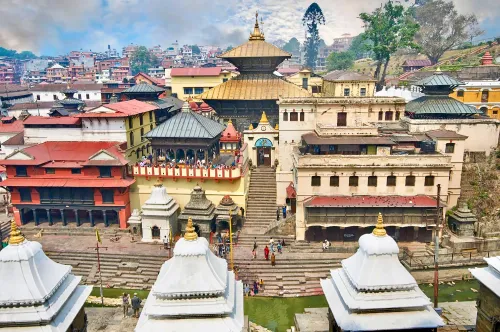
“The most significant slowdown is expected in the services sector, primarily due to a reduction in tourist arrivals during the peak season spanning March to May,” the report elaborated.
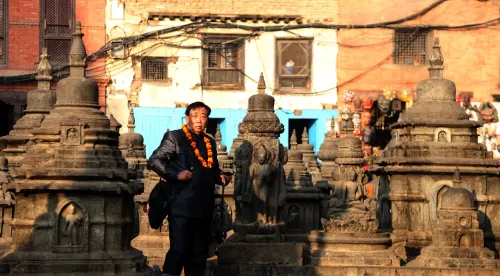
Nepal experienced a decline in foreign tourist visits in March, marking the first drop since the widespread Gen Z protests last September, which resulted in substantial destruction and political shifts.
In March, the number of foreign tourists fell by 1 percent to 120,516, as the conflict in West Asia escalated.
A 15-day ceasefire has been declared between the US and Iran.
Furthermore, there was a notable decrease in tourist arrivals from Europe and the Americas in March, as many travelers from these regions typically transit through West Asian cities such as Dubai, Doha, and Istanbul.
The report indicates that the decline in tourism will negatively impact vital service industries, including accommodation, food services, and transportation, which are heavily dependent on seasonal foreign visitor inflows.
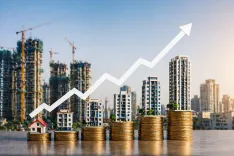
“Rising fuel costs, driven by global supply chain disruptions, alongside slowing, though still strong, remittance growth, are anticipated to reduce household purchasing power. This, in turn, is likely to hinder domestic trade and slow down activity in the real estate sector,” the report stated.
Additionally, industrial growth is expected to weaken, particularly in non-hydropower construction sectors. Increased input costs and declining investor confidence are likely to impact new investments and ongoing projects negatively.
Moreover, the conflict is likely to push approximately 17,267 more Nepalis below the poverty line in fiscal year 2025–26, as highlighted in the report.
Poverty in Nepal, defined at a threshold of $4.2 per day, is projected to rise slightly to 6.6 percent in fiscal year 2025–26 under the conflict scenario, compared to 6.5 percent in the baseline before the conflict began.
“While the increase seems minor at an aggregate level, it represents a significant rise in the number of individuals who will fall into poverty,” the World Bank concluded.
Point of View
It's evident that Nepal's economic challenges are intertwined with global conflicts and local movements. The forecasted GDP growth decline to 2.3% not only reflects external pressures but also emphasizes the need for sustainable policies that support domestic growth and mitigate poverty.
NationPress
16 Sept 2026
Frequently Asked Questions
What is the projected GDP growth rate for Nepal in FY 2025-26?
Nepal's GDP growth is expected to slow to 2.3% in the fiscal year 2025-26.
What factors are contributing to the slowdown in Nepal's economy?
The slowdown is primarily due to the ongoing US-Iran conflict and the impacts of the Gen Z protests from last year.
How will the decline in tourism affect Nepal's economy?
The decline in tourism is expected to negatively impact key service sectors such as accommodation, food services, and transportation.
What are the implications of rising poverty levels in Nepal?
An estimated additional 17,267 Nepalis are projected to fall below the poverty line due to economic disruptions.
How does the World Bank measure poverty in Nepal?
Poverty in Nepal is measured at a threshold of $4.2 per day.