Chhath 2026: Nepal observes festival with prayers to setting sun
Synopsis
Chhath Puja 2026 brought Nepal's President and Prime Minister to the ghats alongside thousands of devotees — a signal of how the festival has grown from a Madhesi cultural tradition into a national celebration, now observed at 17 locations in the Kathmandu Valley alone and increasingly embraced by hill communities.
Key Takeaways
Chhath Puja was observed across Nepal on 15 November 2026 , with prayers offered to the setting sun.
Arrangements were made at 17 locations in the Kathmandu Valley by the Chhath Puja Management Committee .
President Ramchandra Paudel joined devotees at Gaurighat near the Pashupatinath Temple .
Prime Minister Balendra Shah extended wishes and linked the festival's philosophy to good governance and social justice.
The festival, rooted in the Madhesi community of the Tarai region, is increasingly being celebrated in Nepal's hilly areas as well.
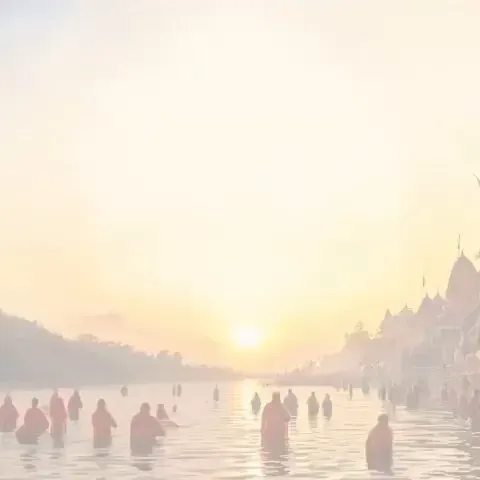
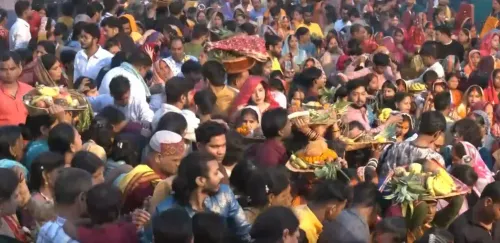
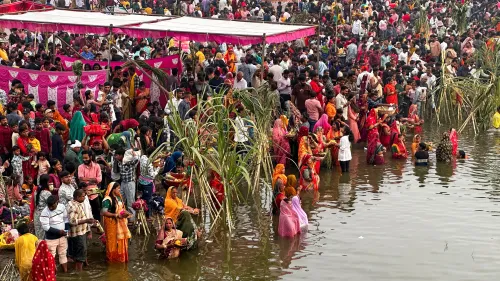
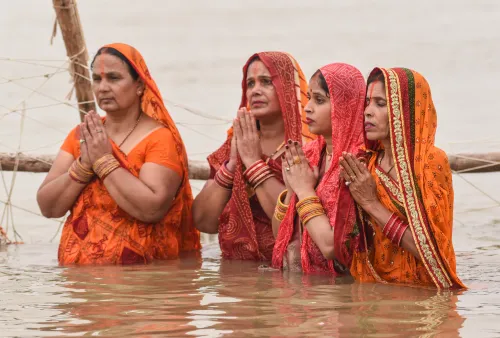
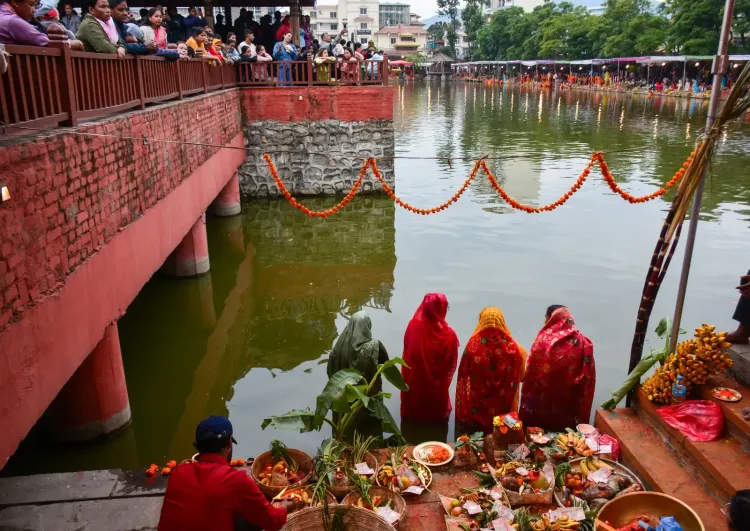
Chhath Puja, one of the most significant festivals of the Hindu community in Nepal, was observed on Sunday, 15 November across the country, including in the capital Kathmandu, with thousands of devotees gathering at riverbanks and water bodies to offer prayers to the setting sun.
Key Observances Across Nepal
The four-day festival, dedicated to the Sun God and Chhathi Maiya — the presiding goddess of the festival — sees devotees perform elaborate rituals along rivers and ponds. Sunday marked the most significant day of the celebration, with the offering of arghya (water offerings) to the setting sun, a practice central to Chhath traditions.
According to the Chhath Puja Management Committee, arrangements were made at 17 locations across the Kathmandu Valley alone to facilitate the celebrations. The Gaurighat area near the renowned Pashupatinath Temple in Kathmandu drew particularly large crowds of worshippers.
President Paudel Joins Celebrations at Gaurighat
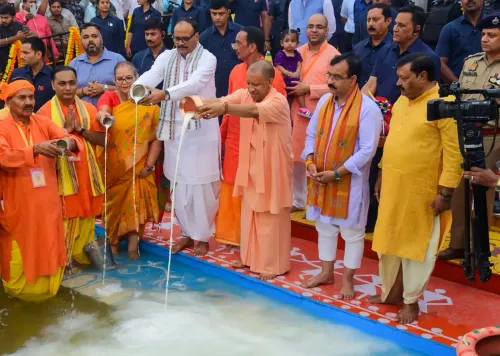
Nepal's President Ramchandra Paudel visited Gaurighat to personally participate in the rituals, joining thousands of devotees who had gathered there for the occasion. His presence underscored the national importance accorded to the festival.
The festival was observed with particular fervour in the southern Tarai region, where members of the Madhesi community gathered in large numbers along riverbanks. Notably, the festival's footprint has expanded in recent years, with communities from Nepal's hilly regions increasingly participating in the celebrations — a reflection of Chhath's growing cultural resonance beyond its traditional southern heartland.
PM Shah Extends Wishes, Invokes Festival's Philosophy
Nepal's Prime Minister Balendra Shah extended his greetings to the people on the occasion, expressing hope that the festival would usher in 'happiness, peace and prosperity' across the country. He also linked the spirit of Chhath to his government's commitments.
'May the Chhath festival fill us all with positive energy and inspire us to fulfil our commitment to good governance, social justice and prosperity in the country,' Shah said in a message.
The Prime Minister also reflected on the deeper philosophy embodied by the festival. 'During the festival, the setting sun is offered arghya with the same reverence and respect as the rising sun. This tradition inspires us to express gratitude towards nature and respect every stage and circumstance of life,' he said.
Cultural and Regional Significance
Chhath has long been a defining cultural marker for the Madhesi community of Nepal's southern plains, but its reach has grown considerably in urban centres and hill districts in recent years. The festival's emphasis on nature worship — particularly the veneration of sunlight and water — has drawn wider participation and official recognition at the national level.
As devotees prepare for the final ritual of offering prayers to the rising sun on Monday morning, the festival is expected to conclude with similar gatherings at water bodies across the country.
Point of View
Particularly as the Madhesi community remains a key electoral constituency. PM Shah's move to tie his government's governance commitments to the festival's message is worth noting: it is as much a political signal as a cultural one. The real story here is not the rituals but the festival's transformation into a national integrating symbol.
NationPress
15 Nov 2026
Frequently Asked Questions
What is Chhath Puja and why is it celebrated?
Chhath Puja is a four-day Hindu festival dedicated to the Sun God and the goddess Chhathi Maiya, observed primarily in Nepal's southern Tarai region and among Hindu communities across South Asia. Devotees perform rituals along riverbanks and water bodies, offering prayers to both the setting and rising sun as an expression of gratitude towards nature.
Where was Chhath Puja celebrated in Nepal in 2026?
Chhath Puja 2026 was celebrated across Nepal, with the Chhath Puja Management Committee organising events at 17 locations in the Kathmandu Valley alone. The Gaurighat area near the Pashupatinath Temple in Kathmandu was among the most prominent sites, drawing large crowds including President Ramchandra Paudel.
Did Nepal's President or Prime Minister participate in Chhath 2026?
Yes. President Ramchandra Paudel visited Gaurighat in Kathmandu to personally offer prayers alongside devotees. Prime Minister Balendra Shah extended formal greetings and issued a message connecting the festival's philosophy to his government's commitments on good governance and social justice.
Which communities celebrate Chhath Puja in Nepal?
Chhath Puja is predominantly celebrated by the Madhesi community of Nepal's southern Tarai plains, where it holds deep cultural significance. In recent years, the festival has spread to Kathmandu and Nepal's hilly regions, with communities outside the traditional Tarai heartland increasingly participating.
What happens on the main day of Chhath Puja?
The main day of Chhath, known as Sandhya Arghya, involves devotees gathering at riverbanks and water bodies to offer arghya — ritual water offerings — to the setting sun. The festival concludes the following morning with prayers offered to the rising sun, marking the end of the four-day observance.