What Actions is NHRC Taking Regarding Attacks on Journalists in Kerala, Manipur, and Tripura?
Synopsis
The NHRC's response highlights the alarming trend of violence against journalists in India. With a commitment to human rights, the commission's actions underscore the need for justice and accountability. How will this affect press freedom in the affected regions?
Key Takeaways
NHRC takes serious note of journalist safety.
Reports of attacks from Kerala , Manipur , and Tripura highlight systemic issues.
Victims are receiving medical attention and FIRs have been filed.
NHRC acts on its own initiative based on media reports.
The commission is committed to protecting human rights.
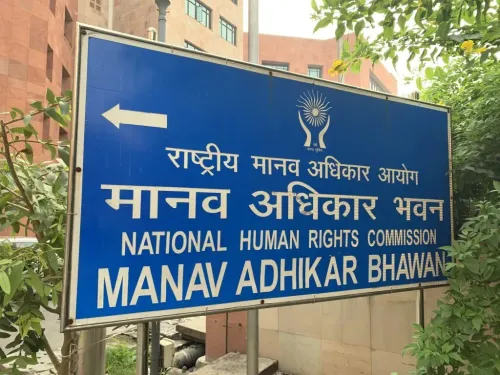
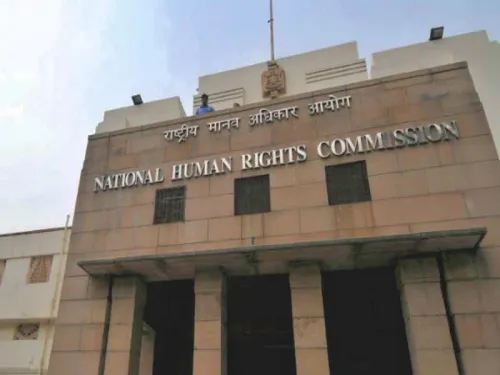
New Delhi, Oct 23 (NationPress) The National Human Rights Commission (NHRC) has proactively responded to media coverage regarding attacks on three journalists in distinct occurrences across Kerala, Manipur, and Tripura.
These incidents reportedly transpired on August 30 in both Kerala and Manipur, and on September 21 in Tripura.
Taking a serious stance on these reports, the leading human rights authority has sent notices to the Directors General of Police in the three states, demanding comprehensive reports on the incidents within two weeks.
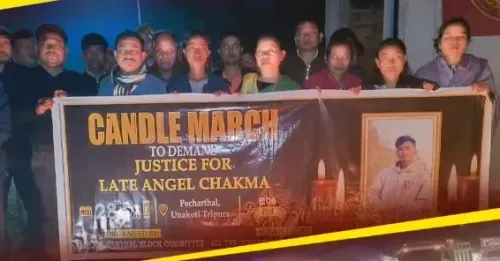
According to the press coverage, in Tripura, a journalist was attacked by a group of individuals wielding sticks and sharp instruments while attending a clothing distribution event organized by a political party in the Hezamara region of West Tripura. His motorcycle was also stolen during this incident.
In Manipur, a journalist covering a flower festival in Laii village of Senapati district was assaulted and shot twice with an air gun, resulting in serious injuries.
In Kerala, another journalist faced a brutal assault by a group of individuals near Mangattukavala in Thodupuzha while returning from a wedding.
Reports indicate that in all three incidents, the victims received hospital treatment and FIRs were lodged by the police.
Formed under the Protection of Human Rights Act of 1993, the NHRC is an independent statutory entity that represents India's commitment to uphold and promote human rights. Its main function is to safeguard and foster rights related to life, liberty, equality, and dignity, which are guaranteed by the Constitution or specified in international agreements enforceable in Indian courts. The NHRC has the authority to initiate suo motu (on its own initiative) actions based on media reports, public awareness, or other sources, without the need for a formal complaint regarding human rights violations.
Point of View
Our stance is clear: we stand firmly for the safety and rights of journalists. The NHRC's actions reflect the urgent need to address violence against media personnel, ensuring their ability to report freely and safely. Upholding press freedom is essential for a democratic society.
NationPress
30 Sept 2026
Frequently Asked Questions
What actions is the NHRC taking?
The NHRC has issued notices to the Directors General of Police in Kerala, Manipur, and Tripura, requesting detailed reports on the attacks within two weeks.
When did the attacks occur?
The attacks occurred on August 30 in Kerala and Manipur, and on September 21 in Tripura.
What were the circumstances of the attacks?
The incidents involved assaults on journalists while covering events, including a clothing distribution program and a flower festival.