NIA charges Shabir Shah, 5 others in 1996 Srinagar violence case
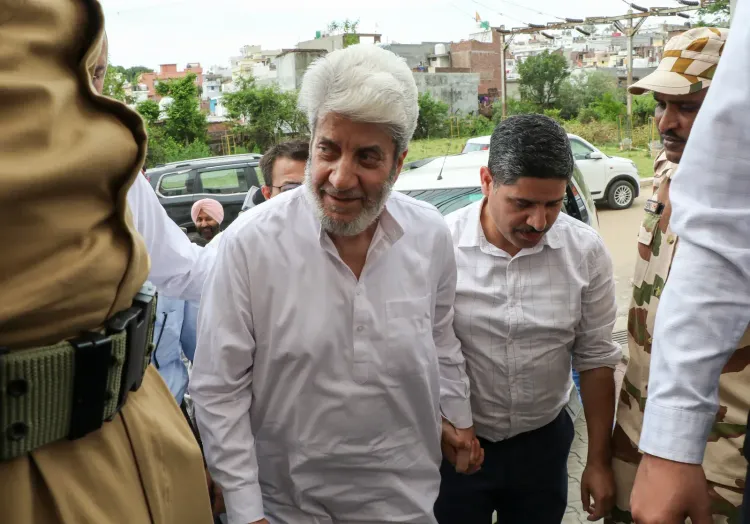
Synopsis
Nearly 30 years after a deadly mob attack on police during a militant's funeral in Srinagar, the NIA has charged six Hurriyat Conference leaders — including the prominent Shabir Ahmad Shah — with criminal conspiracy, attempt to murder, and UAPA violations. Three of the accused, including Syed Ali Shah Geelani, died before trial; charges against them stand abated but their roles are documented in the chargesheet.
Key Takeaways
The NIA filed a chargesheet on 10 July before the NIA Special Court, Jammu , in a 1996 Srinagar mob violence case.
Six Hurriyat Conference leaders named: Shabir Ahmad Shah , Syed Ali Shah Geelani , Abdul Ganie Lone , Mohd.
Yaqoob Wakeel , Javid Ahmad Mir , and Shakeel Ahmad Bakshi .
Charges include criminal conspiracy, attempt to murder, rioting, and Section 13 of the UAPA, 1967 .
Violence occurred on 17 July 1996 at Naaz Crossing, Srinagar , during a funeral procession; several police officials were injured.
Charges against Geelani , Lone , and Wakeel stand abated as all three died during pendency of proceedings.
NIA took over the case in April 2026 on directives of the Ministry of Home Affairs .
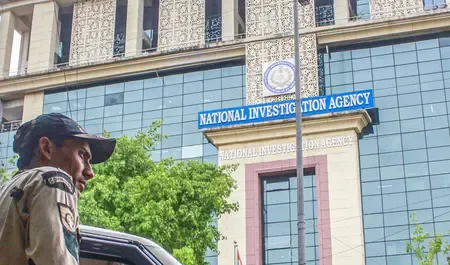
The National Investigation Agency (NIA) on Friday, 10 July filed a chargesheet before the NIA Special Court, Jammu, naming six senior leaders of the separatist Hurriyat Conference in connection with a 1996 mob violence incident in Srinagar, Jammu and Kashmir. The case centres on indiscriminate firing on police personnel and large-scale rioting during a funeral procession nearly three decades ago.
Who Has Been Charged
The chargesheet names Shabir Ahmad Shah, Syed Ali Shah Geelani, Abdul Ganie Lone, Mohd. Yaqoob Wakeel (alias Mohd. Yaqoob Vakil), Javid Ahmad Mir, and Shakeel Ahmad Bakshi. All six have been charged under the Ranbir Penal Code, 1989 for criminal conspiracy, attempt to murder, rioting, and assault on public servants, along with Section 13 of the Unlawful Activities (Prevention) Act, 1967.
Notably, charges against Geelani, Lone, and Wakeel stand abated following their deaths during the pendency of proceedings. However, according to the NIA, the chargesheet clearly establishes their roles in the criminal conspiracy and the common object of the unlawful assembly, supported by evidence gathered during investigation.
What Happened on 17 July 1996
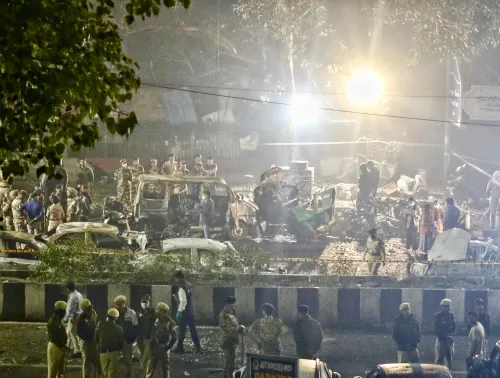
According to NIA's findings in case RC-01/2026/NIA/JMU, the six accused leaders jointly led an unlawful assembly during the funeral procession of slain militant Hilal Ahmad Beigh at Naaz Crossing, Srinagar, on 17 July 1996. Armed terrorists, according to the agency, had blended into the procession and opened indiscriminate fire at police personnel, injuring several officials. Government vehicles were also extensively damaged in heavy stone pelting.
The NIA further found that the accused had actively incited the violence, raising anti-India, pro-Pakistan, and secessionist slogans, and had delivered inflammatory speeches advocating armed struggle during the procession.
NIA's Key Findings
The agency's investigation concluded that the mob violence was part of a larger, pre-planned criminal conspiracy by the Hurriyat leadership to use the funeral as a platform for propagating separatist ideology, mobilising public support against the Government of India, provoking public disorder, and inciting violence against law enforcement agencies. The NIA also found the incident was designed to demonstrate the Hurriyat's organisational strength in Jammu and Kashmir.
An FIR was initially registered at Police Station Shergarhi, Srinagar on the day of the violence. The NIA took over the case in April 2026 on directives of the Ministry of Home Affairs. Investigation into the case is reportedly continuing.
Context and Significance
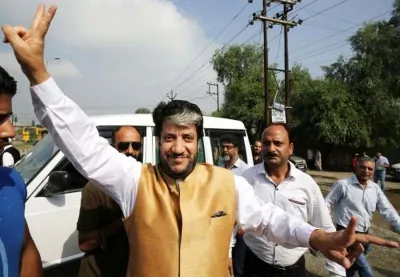
This chargesheet is part of a broader pattern of the NIA revisiting decades-old militancy-linked cases in Jammu and Kashmir following an expanded mandate from the Centre. The move signals continued federal pressure on separatist networks, even posthumously in the case of deceased accused. Shabir Ahmad Shah, the most prominent living accused, has been a central figure in Kashmir's separatist politics for decades and faces trial before the NIA Special Court, Jammu. The outcome of the proceedings will be closely watched given the political and legal dimensions of the case.
Point of View
Not merely the pursuit of justice in a single case. That three of the six accused are already dead, with charges formally abated, raises questions about the prosecutorial calculus: the evidentiary record is being built for history as much as for conviction. For Shabir Shah, the most prominent living accused, this adds to an already long legal battle and could further constrain his political activity. The broader message from the Centre is unmistakable — no statute of limitations, informal or otherwise, applies to militancy-linked violence in the Valley.
NationPress
8 Oct 2026
Frequently Asked Questions
What is the NIA chargesheet against Shabir Shah about?
The NIA has charged Shabir Ahmad Shah and five other Hurriyat Conference leaders for their alleged roles in mob violence and indiscriminate firing on police personnel in Srinagar on 17 July 1996. The chargesheet was filed before the NIA Special Court, Jammu, on 10 July 2026.
Who are the six accused named in the NIA chargesheet?
The six accused are Shabir Ahmad Shah, Syed Ali Shah Geelani, Abdul Ganie Lone, Mohd. Yaqoob Wakeel, Javid Ahmad Mir, and Shakeel Ahmad Bakshi — all described by the NIA as senior Hurriyat Conference leaders.
What happened during the 1996 Srinagar violence?
According to the NIA, armed militants blended into a funeral procession led by Hurriyat leaders at Naaz Crossing, Srinagar, on 17 July 1996, and fired indiscriminately at police personnel. Several officers were injured and government vehicles were damaged in heavy stone pelting.
Why are charges against Geelani, Lone, and Wakeel abated?
Syed Ali Shah Geelani, Abdul Ganie Lone, and Mohd. Yaqoob Wakeel passed away during the pendency of proceedings. Under law, charges against deceased accused stand abated, though the NIA states their roles have been established in the chargesheet for the record.
When did the NIA take over the 1996 Srinagar case?
The NIA took over the case in April 2026, on directives of the Ministry of Home Affairs. The original FIR was registered at Police Station Shergarhi, Srinagar, on the day of the violence in 1996.