How are Tea Garden Workers Contributing to Assam's Global Recognition?
Synopsis
On February 19, BJP President Nitin Nabin underscored the vital role of tea garden workers in Assam's global recognition during his visits to Tinsukia and Dibrugarh. His insights into Assam's culture, spirituality, and natural beauty highlight the intersection of tradition, ecology, and economic strength.
Key Takeaways
Nitin Nabin recognizes the cultural significance of Assam during his visit.
Tea garden workers play a crucial role in the global reputation of Assam tea.
The rich spiritual heritage of Assam is exemplified in local practices.
Assam’s landscapes and culinary traditions are integral to its identity.
Inclusivity and sustainability are essential for Assam's future growth.
Guwahati, Feb 19 (NationPress) The national chief of the BJP, Nitin Nabin, emphasized the rich spiritual legacy, cultural unity, and the essential role of tea garden workers in establishing Assam’s global presence during his trip to the Tinsukia and Dibrugarh regions.
In a post on the social media platform X, Nabin shared insights from his visit to the revered Namghar in Barekuri village, Tinsukia district, calling it a spiritual hub that embodies the profound faith and cultural harmony of the Moran community.
He remarked that Barekuri is a prime example of a unique coexistence between devotion and nature, where inhabitants thrive alongside the local wildlife.
Referencing Prime Minister Narendra Modi’s comments during one of his 'Mann Ki Baat' broadcasts, Nabin noted that the village is also the home of the endangered Hoolock Gibbons, known locally as “Holo Bandar”, who have made Barekuri their home alongside the residents.
“This small village is a stunning representation of how faith, culture, and nature can harmoniously coexist,” said Nabin.
He mentioned that he prayed at the Namghar for peace, prosperity, and the ongoing advancement of the people of India.
Subsequently, Nabin enjoyed a traditional Assamese breakfast at the home of Union Minister Sarbananda Sonowal in the Lakhinagar area of Dibrugarh district.
He expressed that the visit was a valuable opportunity to experience the warmth, hospitality, and rich culinary heritage of Assam.
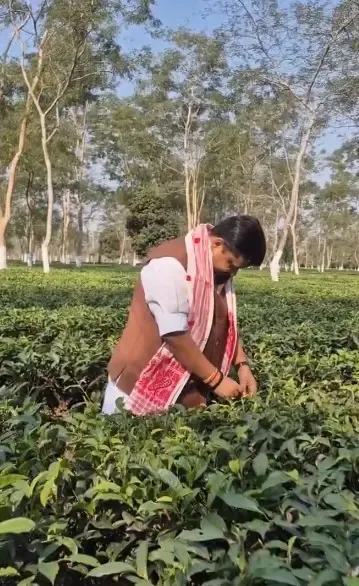
Highlighting the importance of Assam’s tea sector, Nabin stated that the state’s tea plantations are globally recognized for their expansive green vistas, with Assam tea having gained international acclaim for its unique taste and high quality.
He emphasized that the worldwide reputation of Assam tea is attributed to the unwavering efforts, dedication, and commitment of tea garden workers.
“The tireless efforts and discipline of tea workers have elevated Assam tea to global prominence. Their contributions have always been a source of pride for Assam,” he acknowledged, recognizing their role in bolstering the state’s economy and cultural heritage.
Nabin concluded that his visit reinforced the need to maintain Assam’s cultural, ecological, and economic strengths while fostering inclusive growth grounded in tradition and sustainability.
Point of View
It is vital to recognize the important contributions of local communities in shaping regional identities. Nitin Nabin's remarks not only celebrate Assam's rich heritage but also underscore the significance of inclusive growth. This narrative aligns with our commitment to highlight voices that resonate with the essence of our nation.
NationPress
1 Oct 2026
Frequently Asked Questions
What is the significance of Assam tea?
Assam tea is renowned globally for its unique flavor and superior quality, which is largely attributed to the dedication and hard work of tea garden workers.
What was the purpose of Nabin's visit?
Nabin's visit aimed to celebrate Assam's rich heritage and recognize the contributions of tea garden workers to the state's global identity.
What cultural aspects did Nabin highlight?
Nabin emphasized the spiritual heritage and cultural unity of the Moran community, particularly during his visit to the Namghar in Barekuri.
How does Assam tea impact the economy?
The tea industry significantly contributes to Assam's economy, providing livelihoods for many and enhancing the state's global prestige.