Assam's CM Sarma Reaffirms Support for Tea Tribes and Adivasi Communities
Synopsis
Assam's Chief Minister, Himanta Biswa Sarma, highlights the government's unwavering commitment to the Tea Tribes and Adivasi communities, detailing significant welfare measures aimed at improving their socio-economic conditions.
Key Takeaways
Commitment to Tea Tribes: Assam government prioritizes the rights and future of tea garden communities.
Financial Assistance: Over six lakh workers benefit from the Rs 5,000 support scheme.
Education Initiatives: New high schools are being constructed to improve educational access.
Healthcare Expansion: Broader healthcare initiatives include financial aid and sanitation improvements.
Ongoing Engagement: The government is committed to continuous support and development for these communities.
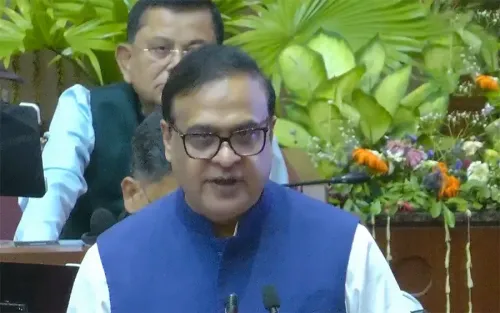
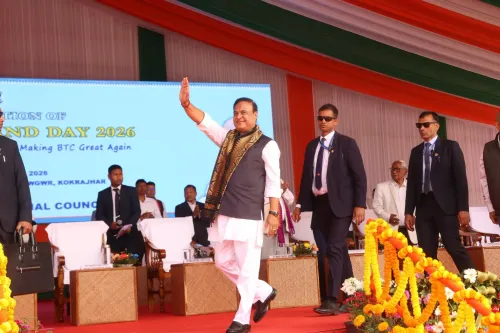
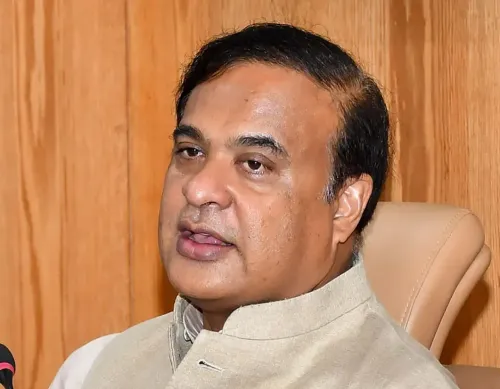
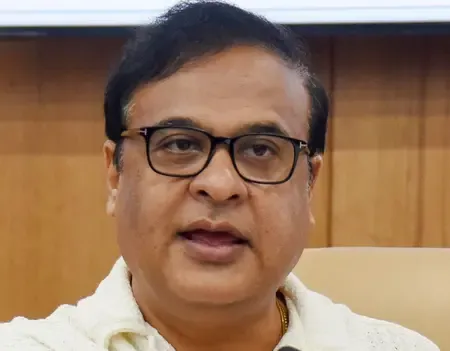
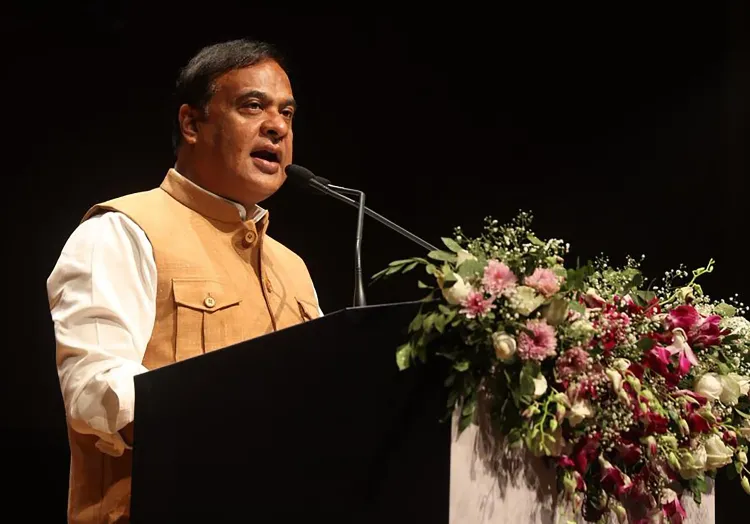
Guwahati, March 18 (NationPress) Assam's Chief Minister, Himanta Biswa Sarma, reaffirmed on Wednesday the state government's unwavering support for the Tea Tribes and Adivasi communities, emphasizing that their dignity, rights, and future are of utmost importance. He also highlighted various welfare initiatives aimed at benefiting tea garden workers throughout the state.
In a message shared on X, Sarma remarked that the Tea Tribes and Adivasi communities have significantly contributed to Assam’s identity through their hard work and dedication across generations. He asserted that the government is committed to supporting tea garden families in securing land rights, education, healthcare, and economic opportunities.
This statement comes amidst numerous initiatives launched by the Assam government to enhance the socio-economic conditions of tea garden workers, a historically marginalized group that is crucial to the state's tea sector.
One notable program is the ‘Mukhya Mantrir Eti Koli Duti Paat’ scheme, which has provided one-time financial assistance of Rs 5,000 each to over six lakh tea garden workers across 836 estates in 27 districts.
With a budget exceeding Rs 300 crore, this scheme acknowledges the vital role of workers in Assam’s tea industry, which has flourished for 200 years.
The government is also moving forward with granting land pattas to tea garden workers residing in labor lines, a measure that is seen as revolutionary in securing long-term rights and stability for the community.
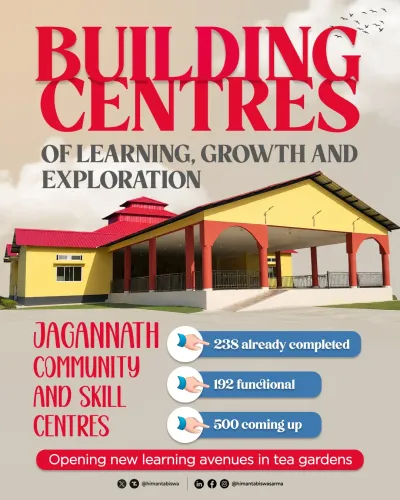
In education, the state has pledged to build 100 new high schools in tea garden regions, supplementing the more than 120 already established, to address longstanding educational gaps.
Healthcare and welfare efforts have been broadened, incorporating financial support for critical illnesses, insurance coverage, mobile crèches, and sanitation improvements to enhance living and working conditions in tea estates.
Furthermore, the state has implemented reservation policies for government jobs and expanded scholarships and skill development programs aimed at empowering the youth from these communities.
Sarma reiterated that the government’s commitment to engaging with tea garden communities is an ongoing endeavor, asserting that “this journey has only begun” as Assam strives for inclusive development.
Point of View
The Assam government's initiatives reflect a vital commitment to uplift historically marginalized communities, particularly the Tea Tribes and Adivasi groups. The measures outlined by Chief Minister Sarma signal a proactive approach toward fostering social equity and economic stability, which is crucial for the state's development agenda.
NationPress
19 Sept 2026
Frequently Asked Questions
What welfare measures has the Assam government introduced for tea garden workers?
The Assam government has launched several initiatives, including the ‘Mukhya Mantrir Eti Koli Duti Paat’ scheme, providing Rs 5,000 to over six lakh tea garden workers, and plans to build 100 new high schools in tea garden areas.
How is the Assam government supporting the Tea Tribes and Adivasi communities?
The government is focusing on securing land rights, improving access to education and healthcare, and creating economic opportunities through various welfare measures and initiatives.