Did the Assam Cabinet Really Approve 3 Percent Reservation for Tea Tribes in Government Jobs?
Synopsis
In a landmark move, the Assam Cabinet has granted a three percent reservation for Tea Tribes and Adivasi communities in government jobs, reflecting a strong commitment to social equity. This decision aims to empower these marginalized groups by enhancing their representation in administrative roles and addressing historical disparities.
Key Takeaways
Three percent reservation approved for Tea Tribes and Adivasi communities.
New opportunities in higher-level government jobs .
Focus on social equity and inclusive growth .
Support for women's entrepreneurship through MMUA scheme .
Infrastructure development initiatives in Assam.
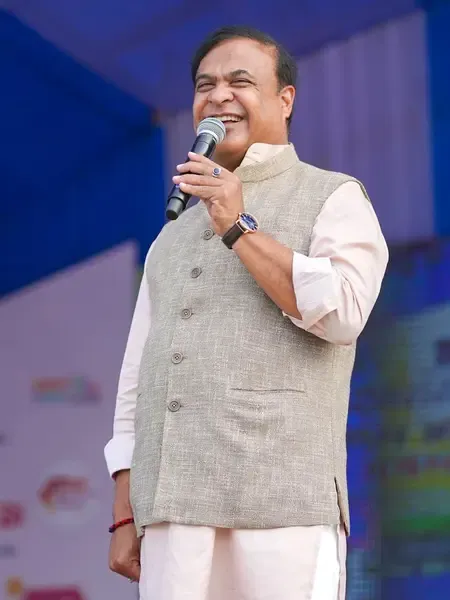
Guwahati, Feb 17 (NationPress) The Assam Cabinet on Tuesday sanctioned a three percent reservation for Tea Tribes and Adivasi communities in Class I and Class II state government positions, representing a major step forward in affirmative action for one of the state's most disadvantaged groups, according to Chief Minister Hiamanta Biswa Sarma.
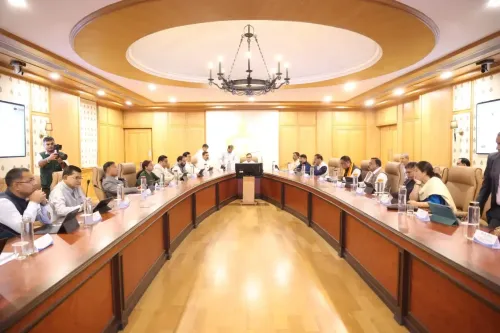
This resolution was made during a Cabinet assembly at the Assam Legislative Assembly complex in Dispur, under the leadership of CM Sarma.
Consequently, the Tea Tribes and Adivasi communities will now benefit from reservation in higher-level government jobs, in addition to the existing quotas for Class III and Class IV roles.
Sarma informed reporters that this decision demonstrates the government's commitment to enhance the representation of Tea Tribes and Adivasi youth in administrative and policy-making roles.
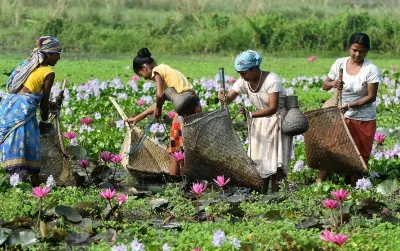
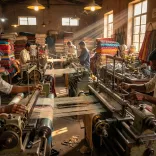
Despite their substantial contributions to Assam's economy, particularly through the tea sector, this community has historically been underrepresented in senior government roles.
The Cabinet recognized that expanding reservation to Class I and Class II positions will create new opportunities for educated youth from Tea Tribes and Adivasi backgrounds, promote higher education, and help mitigate long-standing social and economic inequalities.
In addition to this reservation decision, the Cabinet also approved the Vote-on-Account Budget statement for the initial months of the 2026–27 financial year to be presented to the Assam Legislative Assembly.
In another significant welfare initiative, the Cabinet authorized the distribution of entrepreneurship seed capital to an additional 1,07,532 eligible women SHG members under the Mukhyamantri Mahila Udyamita Abhiyaan (MMUA) scheme.
Infrastructure and development decisions included the green light for the construction of a second Sainik School at Langvoku in Karbi Anglong, following the Ministry of Defence's approval of the project's DPR, along with the allocation of over 31 bighas of land in Dhemaji district for sports infrastructure development by the Assam Cricket Association.
The Cabinet also approved Rs 20 crore for the integrated development of the Borbheti Campus in Jorhat to foster heritage-based tourism, increased earned leave for school teachers to 15 days, and amendments to the Assam Agricultural Service Rules to simplify promotion norms.
According to the Chief Minister, the Cabinet decisions highlight the government's dual focus on social justice, employment, infrastructure, and inclusive growth throughout Assam.
Point of View
I view this decision by the Assam Cabinet as a pivotal moment in addressing the long-standing social and economic challenges faced by Tea Tribes and Adivasi communities. This move is not merely about job reservations; it reflects a broader commitment to equality, inclusivity, and the empowerment of marginalized groups in the socio-economic landscape of Assam.
NationPress
6 Oct 2026
Frequently Asked Questions
What is the significance of the three percent reservation?
The three percent reservation for Tea Tribes and Adivasi communities in Class I and II government jobs is a significant step towards enhancing representation and providing equal opportunities in governance for historically marginalized groups.
Who will benefit from this reservation?
The reservation will benefit Tea Tribes and Adivasi youth, allowing them greater access to higher-level government positions.
What other decisions were made by the Assam Cabinet?
In addition to job reservations, the Cabinet approved funding for entrepreneurship seed capital for women, infrastructure projects, and amendments to agricultural service rules.