Could Tropical Storm Nokaen Trigger Lahars Near Mayon Volcano?
Synopsis
Tropical Storm Nokaen, the first cyclone of the year, poses a serious threat of lahars around Mayon Volcano in Luzon. With authorities warning of heavy rainfall and potential volcanic sediment flows, residents are urged to remain vigilant. This critical situation could worsen conditions for displaced residents in Albay province.
Key Takeaways
Tropical Storm Nokaen is the first cyclone of the year, with risks of lahars around Mayon Volcano .
Authorities expect heavy rainfall of 100 to 200 millimeters , particularly affecting southern Luzon.
Phivolcs warns of volcanic sediment flows due to the storm.
Thousands of residents in Albay have been displaced by ongoing volcanic activity.
Residents are urged to remain vigilant and prepared for potential evacuations.
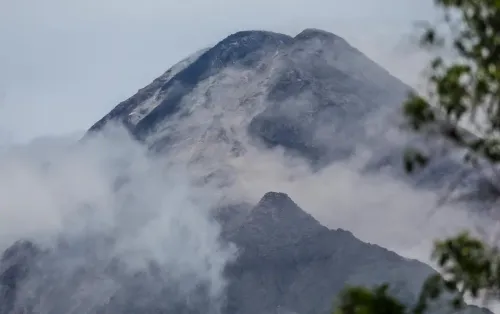
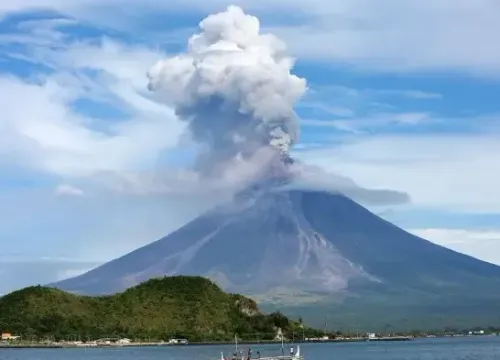
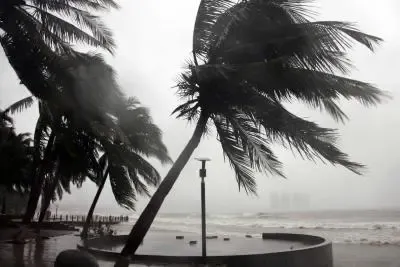
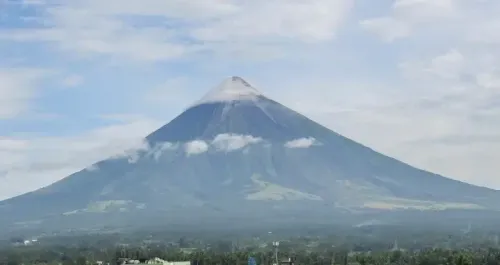
Manila, Jan 16 (NationPress) The inaugural tropical cyclone of the year, Tropical Storm Nokaen, known locally as Ada, poses a significant risk of generating lahars and muddy streamflows in the vicinity of Mayon Volcano on Luzon Island, according to authorities on Friday.
The Philippine Atmospheric, Geophysical and Astronomical Services Administration (PAGASA) reported that Nokaen is currently producing maximum sustained winds of 65 kilometers per hour near its center, with gusts reaching up to 80 kilometers per hour. The storm is progressing slowly northward across the Philippine Sea, located east of the Eastern Visayas region in central Philippines.
In a tropical cyclone advisory released on Friday, PAGASA indicated that Nokaen is set to impact the eastern shores of southern Luzon this weekend.
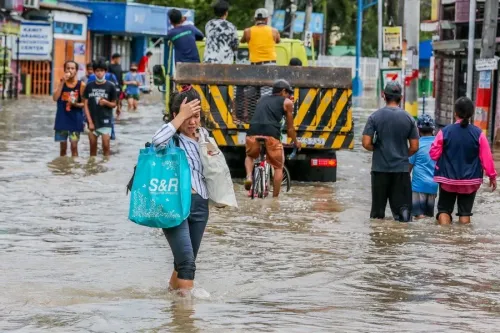
Given its anticipated trajectory, the storm may deliver heavy to intense rainfall ranging from 100 to 200 millimeters, especially in areas surrounding Mayon Volcano in Albay province.
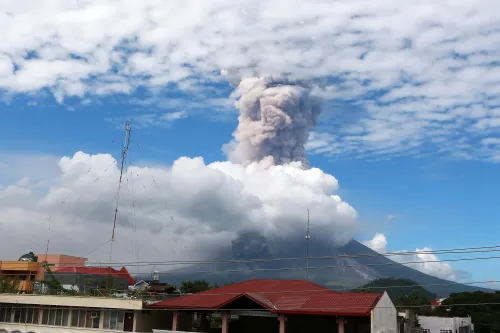
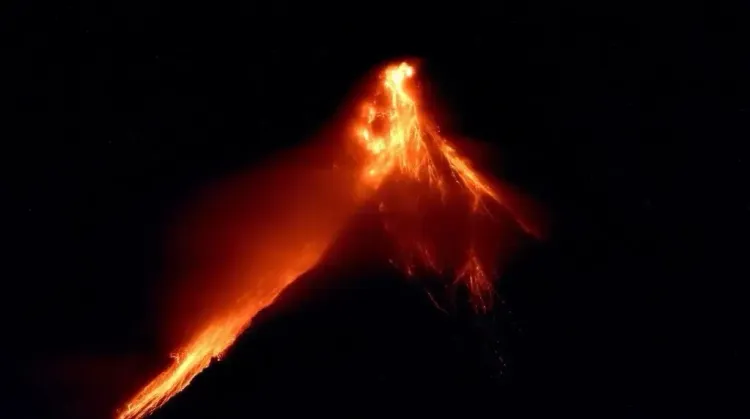
The Philippine Institute of Volcanology and Seismology (Phivolcs) has cautioned that the severe rainfall associated with the storm could instigate volcanic sediment flows or lahars within rivers and drainage systems around the volcano, which has shown signs of unrest since January 1, according to reports from the Xinhua news agency.
Phivolcs stated, "Heavy to intense rainfall has the potential to create syn-eruption lahars in significant channels that drain the southern to eastern slopes of Mayon Volcano by incorporating loose material from recent pyroclastic density current deposits stemming from its ongoing eruption."
The advisory also highlighted that hot lahars could result in severe burns upon contact, potentially causing life-threatening injuries.
Furthermore, Phivolcs warned that older, erodible eruption deposits located on the southwestern slopes of Mayon could be reactivated as non-eruption lahars.
Such lahars might endanger communities downstream by causing inundation, boulder impacts, burial, and washout, potentially reaching coastal regions along the volcano's eastern slopes.
In Albay province, thousands of residents living close to the slopes of Mayon have already been displaced due to ongoing volcanic activity. Officials cautioned that substantial rainfall from Nokaen could exacerbate conditions in evacuation shelters and complicate emergency response operations.
Residents in affected and surrounding areas have been advised to take necessary precautions and remain vigilant for further updates as Tropical Storm Nokaen continues its northward journey.
Point of View
The situation regarding Tropical Storm Nokaen requires urgent attention. The potential for lahars around Mayon Volcano highlights the pressing need for effective emergency responses as communities face both climatic and geological threats. Timely communication and preparedness are essential to protect vulnerable populations.
NationPress
23 Sept 2026
Frequently Asked Questions
What is Tropical Storm Nokaen?
Tropical Storm Nokaen, locally named Ada, is the first tropical cyclone of the year, bringing risks of heavy rainfall and lahars near Mayon Volcano.
What areas are affected by Nokaen?
The storm is expected to impact the eastern coast of southern Luzon, particularly around Mayon Volcano in Albay province.
What precautions should residents take?
Residents are advised to stay informed about weather updates, prepare for potential evacuations, and follow local authorities’ guidance.
How can lahars affect communities?
Lahars can cause flooding, burial of structures, and boulder impacts, which can severely threaten lives and property in downstream areas.