Why Has the Philippines Elevated Mayon Volcano Alert to Level 3?
Synopsis
In a significant development, Philippine authorities have escalated the alert level for Mayon Volcano to Level 3 due to alarming signs of volcanic activity. With potential for hazardous eruptions and pyroclastic flows, residents are urged to evacuate and stay vigilant as conditions may worsen rapidly. This article delves into the implications and historical context of Mayon's eruptions.
Key Takeaways
Alert Level 3 signifies a magmatic eruption and increased risks.
Evacuations are advised within a six-kilometer radius .
Residents must stay vigilant and follow local advisories.
Significant rockfall and seismic activity have been recorded.
Mayon Volcano is the most active volcano in the Philippines.
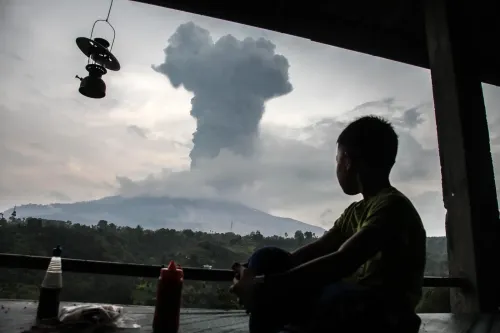
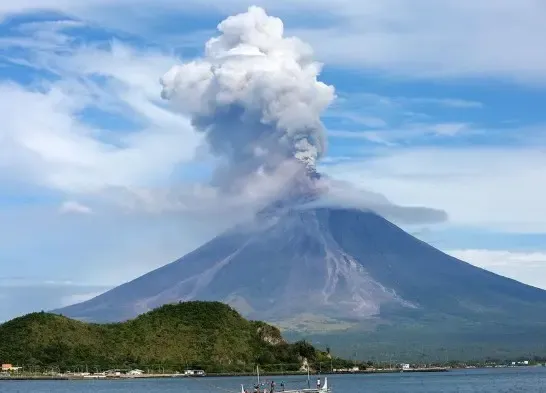
Manila, Jan 6 (NationPress) Philippine volcanologists have officially increased the alert level for Mayon Volcano, located in Albay province on Luzon island, to Alert Level 3. This decision stems from the identified "initiation of dome collapse pyroclastic density current,” as reported by the Philippine Institute of Volcanology and Seismology.
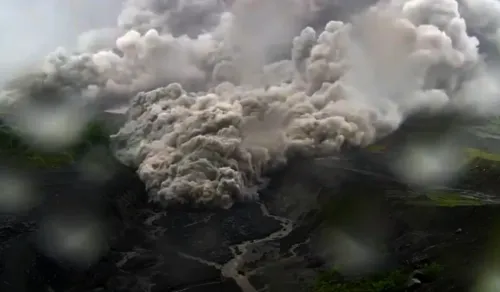
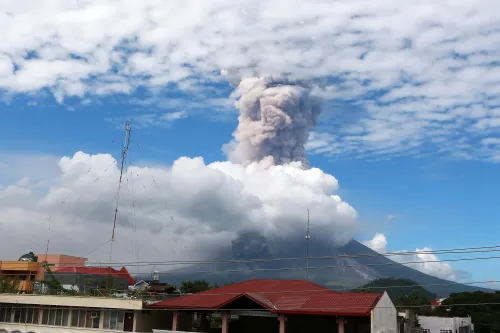
According to the institute, this elevation signifies that Mayon is undergoing a magmatic eruption of a summit lava dome. The situation presents heightened risks of lava flows and dangerous pyroclastic density currents (PDCs), which could impact the upper to middle slopes of the volcano and may lead to explosive activity in the near future.
The institute has observed multiple collapses of the unstable summit dome, which have resulted in a surge of rockfall incidents. Since January 1, 2026, there have been 346 rockfall events and four recorded volcanic earthquakes, in contrast to 599 rockfall events noted between November and December 2025, according to reports from Xinhua news agency.
In light of these developments, officials are recommending the evacuation of the six-kilometer radius permanent danger zone due to potential threats from PDCs, lava flows, rockfalls, and other volcanic hazards.
Authorities are advising residents in the vicinity to stay alert and adhere to instructions from local government bodies and disaster management officials, as the situation could change rapidly.
The institute emphasized the need for increased caution against PDCs, lahars, and sediment-laden stream flows in areas surrounding the volcano.
Earlier on January 1, PHIVOLCS raised the alert status from level 1 (low-level unrest) to level 2 (moderate level of unrest), indicating that magma is moving beneath the surface, which raises the chances of sudden explosive activity.
“This indicates current unrest caused by shallow magmatic processes that could lead to a hazardous magmatic eruption,” stated the institute in its advisory.
Furthermore, the public is strongly cautioned to remain vigilant and avoid entering the six-kilometer-radius Permanent Danger Zone, as this is critical in reducing risks associated with explosions and other related hazards.
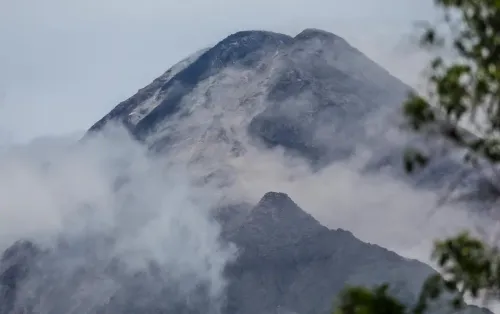
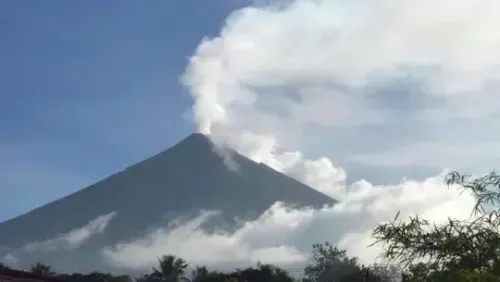
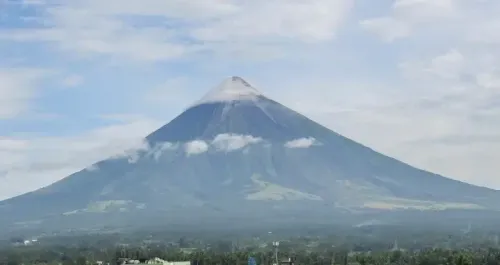
Mayon is recognized as the most active volcano in the Philippines and possesses a long history of eruptions.
Point of View
It is vital to recognize the significance of the recent developments surrounding Mayon Volcano. The escalation to Alert Level 3 is a serious concern for the safety of residents in Albay province, emphasizing the importance of timely evacuations and adherence to safety protocols. Our responsibility is to keep the public informed and prepared for potential volcanic threats while providing ongoing updates as the situation evolves.
NationPress
30 Sept 2026
Frequently Asked Questions
What does Alert Level 3 mean for Mayon Volcano?
Alert Level 3 indicates an ongoing magmatic eruption of the summit lava dome, with increased risks of lava flows and hazardous pyroclastic density currents affecting the volcano's slopes.
Why is the six-kilometer zone considered a danger zone?
The six-kilometer radius is designated as a permanent danger zone due to the potential for pyroclastic density currents, rockfalls, and other volcanic hazards that can arise during increased volcanic activity.
What should residents do in light of the alert?
Residents are advised to evacuate the danger zone and remain alert to updates from local authorities and disaster management officials regarding safety measures and potential threats.
How has volcanic activity changed recently?
There has been a notable increase in volcanic activity, with numerous rockfall events and earthquakes observed since January 1, indicating heightened unrest beneath the volcano.
What is the historical significance of Mayon Volcano?
Mayon Volcano is known as the most active volcano in the Philippines, with a long history of eruptions that have impacted surrounding communities and ecosystems.