Is the US Withdrawal from Global Institutions Benefiting China?
Synopsis
Congressman Raja Krishnamoorthi criticizes the Trump administration's withdrawal from 66 international organizations, warning it threatens US security and empowers the Chinese Communist Party. This move raises questions about America's reliability and leadership on the global stage.
Key Takeaways
US withdrawal from international organizations risks security.
China's influence may increase due to this decision.
International collaboration is vital for public health and safety.
Reforms in institutions require leadership, not withdrawal.
Withdrawal could lead to a loss of global leadership .
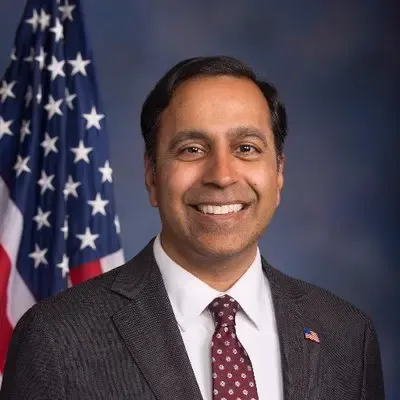
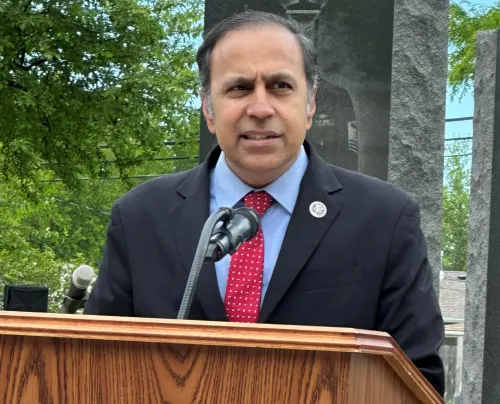
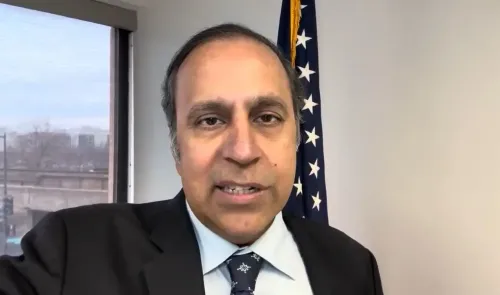
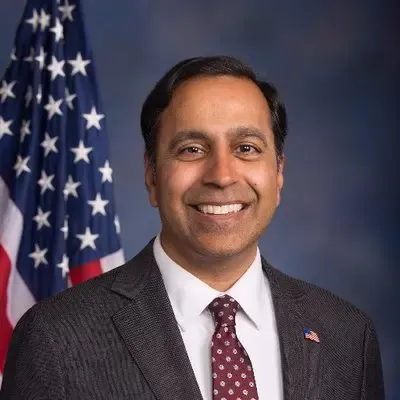
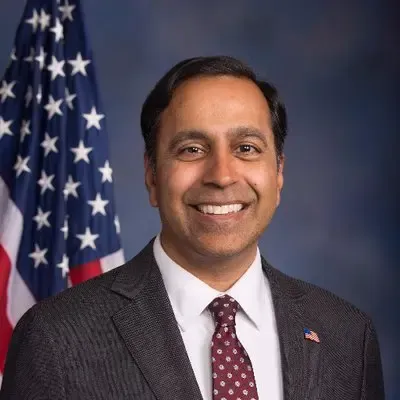
Washington, Jan 8 (NationPress) Congressman Raja Krishnamoorthi expressed strong disapproval of the Donald Trump administration's choice to exit from 66 international organizations, cautioning that this decision could jeopardize US security, hinder global public health initiatives, and ultimately hand over strategic advantages to the Chinese Communist Party.
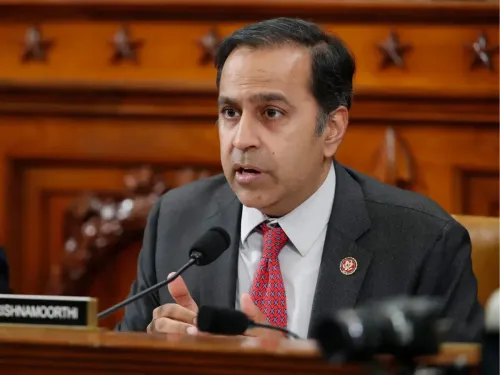
As the Ranking Member of the House Select Committee on the Strategic Competition with China, Krishnamoorthi characterized this move as a perilous shift away from long-established US leadership in global governance.
“The Trump administration’s choice to forsake longstanding international institutions is a reckless withdrawal from American leadership that will diminish our security, economy, and global standing,” he stated. “Abandoning these institutions does not safeguard U.S. sovereignty; it instead relinquishes influence to authoritarian rivals, including the Chinese Communist Party, causing our allies and partners to doubt America’s reliability.”
He highlighted that these withdrawals would have tangible repercussions for US safety and stability, mentioning how international collaboration significantly benefits American citizens.
“These departures include forsaking counterterrorism cooperation that helps thwart extremist attacks, public health collaborations that identify and manage disease threats, and stability initiatives that mitigate conflict and humanitarian crises before they impact our shores,” Krishnamoorthi remarked. “If reforms are needed, the solution lies in leadership and accountability, not withdrawal. Turning our back on global cooperation does not put America first; it isolates America.”
Other senior Democrats echoed similar concerns regarding the ramifications of the administration’s actions. House Natural Resources Committee Ranking Member Jared Huffman asserted that the withdrawals represent a broader ideological shift in US foreign policy. “This is climate denial as foreign policy,” Huffman noted, suggesting that by exiting international climate agreements, the United States risks isolation while its competitors advance in clean energy and environmental standards.
Leaders of the House Sustainable Energy and Environment Coalition also condemned the decision, asserting it would undermine US global stature. “Today, President Donald Trump signaled a dangerous retreat from America’s role as a global leader, making America weaker, poorer, and less secure than ever,” the coalition stated in response to the exit from 66 organizations, including climate and environmental groups.
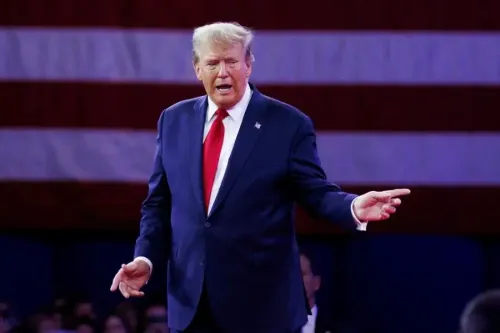
Conversely, the Trump administration defended the decision as essential for preserving US sovereignty and protecting taxpayer interests. A White House fact sheet stated that President Trump had ordered the withdrawal from organizations that “no longer serve American interests,” claiming that many promote “globalist agendas over US priorities” and operate inefficiently.
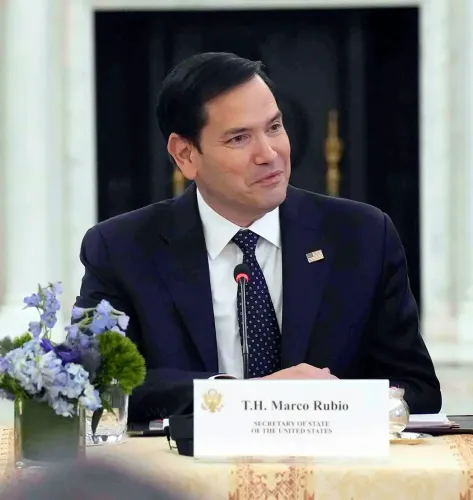
Secretary of State Marco Rubio stated that the administration found the affected institutions to be “redundant, mismanaged, unnecessary, wasteful, poorly run, or a threat to our nation’s sovereignty and prosperity.”
International institutions have been a keystone of US foreign policy since World War II.
Point of View
This article highlights a critical issue surrounding US foreign policy and its impact on global leadership. It emphasizes the importance of international collaboration for national security and public well-being, while also raising concerns about the strategic advantages that may be gained by rival nations, particularly China.
NationPress
1 Oct 2026
Frequently Asked Questions
What organizations is the US withdrawing from?
The US is withdrawing from 66 international organizations, including those focused on climate and public health.
What are the potential consequences of these withdrawals?
The withdrawals could weaken US security, undermine global health efforts, and increase the influence of authoritarian regimes like the Chinese Communist Party.
How does this affect US allies?
Allies may question America's reliability and commitment to international partnerships, leading to increased skepticism about US leadership.
What is Congressman Krishnamoorthi's stance?
He believes that abandoning international institutions is a reckless retreat that endangers US interests and global leadership.
How has the Trump administration justified the withdrawals?
The administration claims these organizations do not serve American interests and are inefficient, arguing that the move protects US sovereignty.