North Korea fires projectile toward East Sea, Seoul monitors on full alert
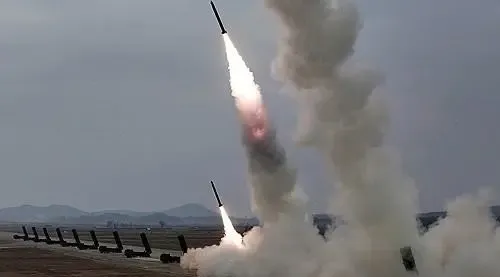
Synopsis
North Korea's second provocation in under a week — this time an unidentified projectile fired toward the East Sea — comes even as US President Trump scales back joint drills in a conciliatory gesture toward Pyongyang. The pattern is stark: diplomatic overtures from Washington have not slowed North Korea's launch tempo, raising fresh questions about the efficacy of reducing military exercises as a diplomatic tool.
Key Takeaways
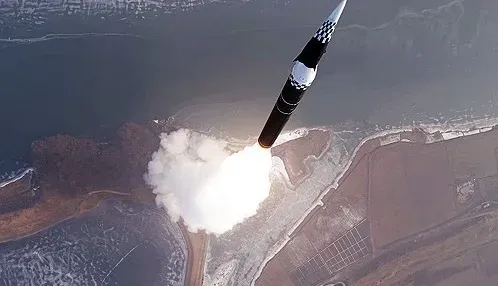
North Korea fired at least one unidentified projectile toward the East Sea on 20 September 2026 , confirmed by South Korea's Joint Chiefs of Staff .
The launch followed a 12 September salvo in which multiple short-range ballistic missiles from Wonsan flew approximately 250 kilometres into the sea.
The 12 September launch reportedly protested a trilateral Freedom Edge military exercise between South Korea , the US , and Japan that concluded on 11 September .
Sources indicated North Korea used the Hwasong-11 ballistic missile series and 600-millimetre multiple rocket launchers in the earlier launches.
US President Donald Trump had ordered a reduction in the annual Ulchi Freedom Shield exercise as a conciliatory gesture toward Pyongyang .
South Korea's military is on 'full alert' and sharing intelligence with the US and Japan .
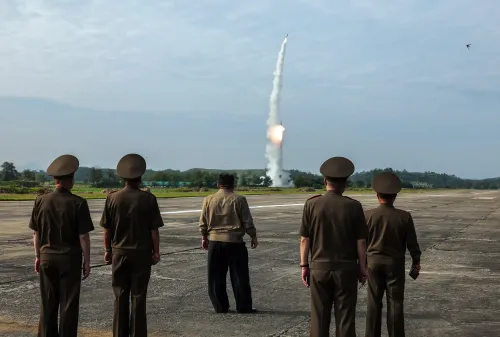
North Korea fired at least one unidentified projectile toward the East Sea on Sunday, 20 September 2026, according to South Korea's military. The launch was detected and announced by the Joint Chiefs of Staff (JCS), which said it was assessing further details while maintaining heightened surveillance.
Key Developments
The JCS confirmed the detection in a message to media but did not immediately disclose the type of projectile, its range, or where it came down. South Korean and US intelligence authorities are jointly monitoring the situation, with relevant information being shared with Japan.
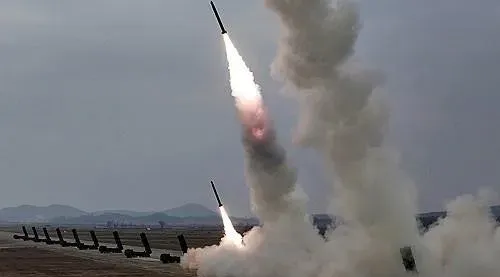
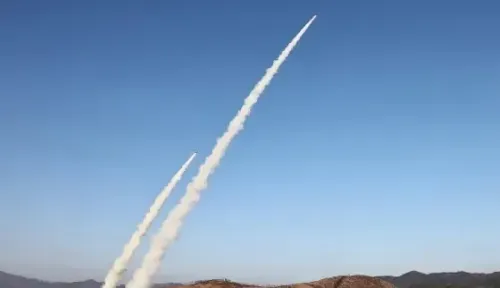
Sunday's launch came approximately a week after North Korea fired multiple short-range ballistic missiles from the Wonsan area toward the East Sea on 12 September. Those missiles flew roughly 250 kilometres before landing in the sea. Analysts reportedly attributed that earlier salvo to Pyongyang's objections to a trilateral military exercise between Seoul, Washington, and Tokyo.
What Happened on 12 September
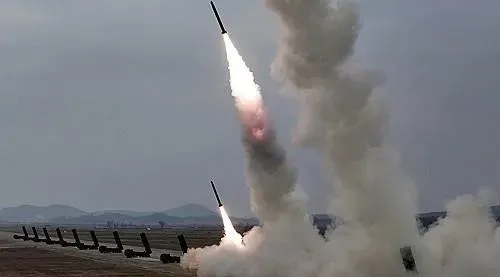
The JCS confirmed the 12 September launch at around 5:20 am, stating that multiple ballistic missiles were detected from the Wonsan area. Sources indicated that the weapons included the Hwasong-11 series of ballistic missiles and rounds from 600-millimetre multiple rocket launchers, fired in successive order across several occasions.
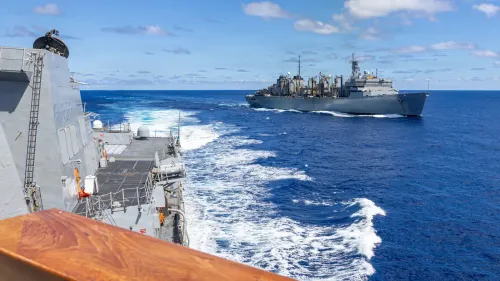
That launch came just one day after South Korea, the United States, and Japan concluded their five-day Freedom Edge exercise in international waters east and south of the southern island of Jeju on 11 September.
Trump's Drill Reduction Order and Its Implications
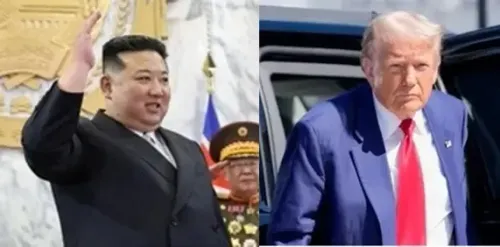
The drills were carried out even as US President Donald Trump had ordered a scaling back of the annual combined Ulchi Freedom Shield (UFS) exercise between Seoul and Washington last month. Trump described the joint drills as not only 'costly' but also sending a 'totally inappropriate and hostile' signal to North Korea — a move widely interpreted as a conciliatory gesture toward Pyongyang.
Notably, the Freedom Edge exercise between all three allies proceeded as planned despite the reduction of the bilateral UFS drills, signalling that trilateral security cooperation remains intact even as Washington recalibrates its bilateral posture.
South Korea's Military Response
In a statement, the JCS said: 'Our military is closely monitoring North Korea's various movements under a firm South Korea-US defence posture, and maintains the capabilities and readiness to overwhelmingly respond to any provocations.' The South Korean military has placed itself on 'full alert', stepping up surveillance to detect any additional launches and continuing to coordinate with the US and Japan.
With Sunday's launch marking at least the second provocation in under two weeks, the Korean Peninsula security situation remains on a knife's edge as diplomatic and military signals from all sides grow increasingly contradictory.
Point of View
Yet Pyongyang responded with its most active launch sequence in recent memory. The persistence of North Korean provocations despite American concessions raises an uncomfortable question: if reduced exercises do not de-escalate, what leverage does Washington retain? For Seoul and Tokyo, the optics are doubly unsettling — their bilateral shield is being trimmed even as the threat it was designed to deter appears to be intensifying.
NationPress
20 Sept 2026
Frequently Asked Questions
What did North Korea fire toward the East Sea on 20 September?
North Korea fired at least one unidentified projectile toward the East Sea on 20 September 2026, according to South Korea's Joint Chiefs of Staff. The type of weapon and its exact range had not been disclosed at the time of the announcement.
Why did North Korea fire missiles on 12 September?
The 12 September launch of multiple short-range ballistic missiles from the Wonsan area was seen as a protest against a trilateral military exercise — the Freedom Edge drills — conducted by South Korea, the United States, and Japan, which concluded on 11 September. The missiles flew approximately 250 kilometres before landing in the sea.
What weapons did North Korea reportedly use in recent launches?
According to sources, North Korea reportedly fired its Hwasong-11 series of ballistic missiles along with rounds from 600-millimetre multiple rocket launchers in successive launches across several occasions.
Why did the US scale back joint military drills with South Korea?
US President Donald Trump ordered a reduction in the annual Ulchi Freedom Shield combined exercise, describing the drills as 'costly' and sending a 'totally inappropriate and hostile' signal to North Korea. The move was widely seen as a conciliatory gesture toward Pyongyang.
How is South Korea responding to the latest North Korean launch?
South Korea's military has placed itself on 'full alert' and is closely monitoring North Korea's movements. Intelligence is being shared with the United States and Japan, and the Joint Chiefs of Staff has stated readiness to 'overwhelmingly respond to any provocations'.