North Korea fires dozen ballistic missiles, snubs South Korea's dialogue offer
Synopsis
North Korea responded to South Korea's olive branch — a formal proposal for military talks — by firing roughly a dozen short-range ballistic missiles on 29 October. It is the most significant single launch event in months and follows a pattern of Pyongyang using weapons tests to signal resolve rather than engage. With a howitzer deployed near the border and rhetoric escalating since a September land mine blast, the Korean peninsula is entering a distinctly volatile phase.
Key Takeaways
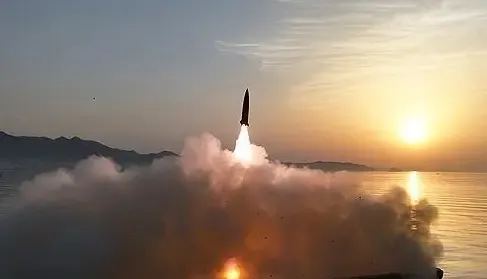
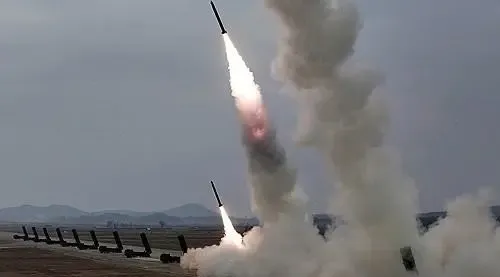
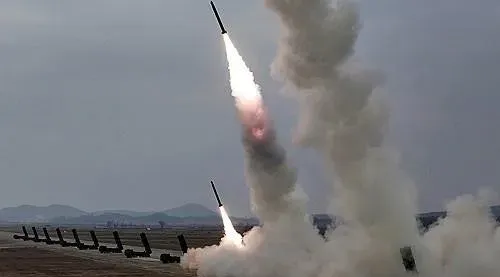
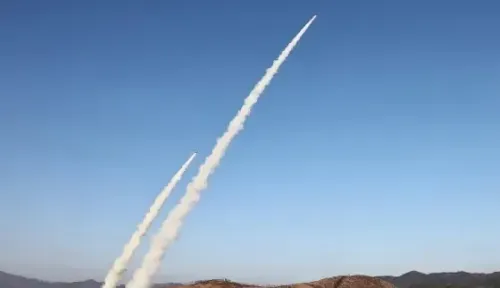
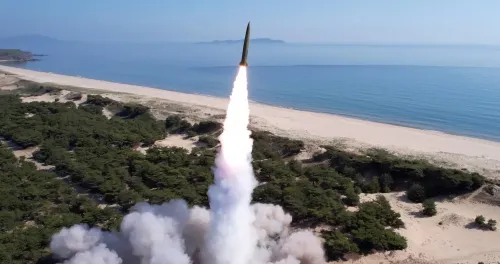
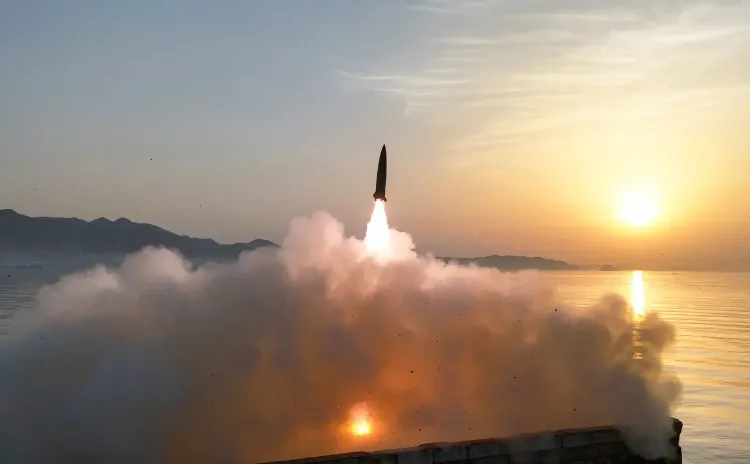
North Korea launched approximately a dozen short-range ballistic missiles toward the East Sea on 29 October .
Missiles were fired from the Wonsan area and flew roughly 250 kilometres , per South Korea's Joint Chiefs of Staff .
The launch is a rebuff to Seoul's military dialogue proposal made about a week earlier.
Tensions have escalated since a 21 September land mine blast injured three South Korean soldiers near the Military Demarcation Line .
Pyongyang has denied responsibility for the blast and threatened loudspeaker propaganda resumption and further weapons deployment.
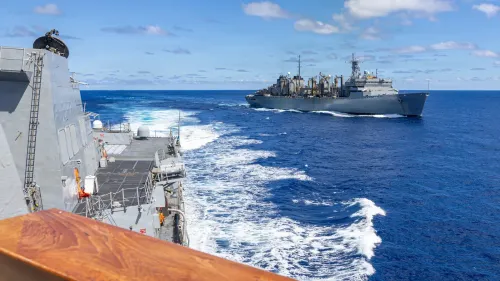
South Korea has stepped up surveillance and is sharing intelligence in real time with the US and Japan .
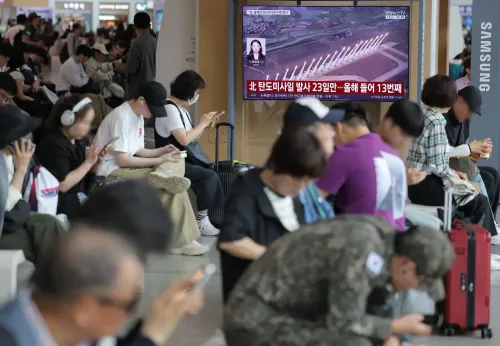
North Korea fired approximately a dozen short-range ballistic missiles toward the East Sea on Thursday, 29 October, in what analysts are describing as a pointed rejection of Seoul's recent proposal for military talks aimed at defusing rising border tensions. The launches mark a significant escalation in inter-Korean hostilities that have been simmering since a land mine blast in September.
Details of the Launch
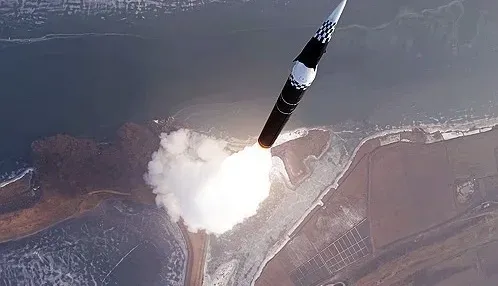
The missiles were launched from the Wonsan area on North Korea's east coast at around 12:30 pm local time, travelling approximately 250 kilometres, according to South Korea's Joint Chiefs of Staff (JCS). The JCS added that further analysis of technical specifications was under way in close coordination with the United States. The launch comes more than two weeks after Pyongyang test-fired what it claimed were tactical ballistic missiles on 12 October, reportedly aimed at improving a key weapons component.
Background: Border Tensions and the Mine Blast
Thursday's launches follow approximately a week after Seoul formally proposed military talks with Pyongyang to resolve discrepancies in their border demarcations. Tensions had already been heightened since a 21 September land mine explosion that injured three South Korean soldiers. The blast occurred as the South Korean military was investigating potential breaches of the Military Demarcation Line (MDL) by the North, which has been reinforcing its border with fences and land mines.
Pyongyang has flatly denied responsibility for the mine blast, instead issuing a series of statements accusing Seoul of attempting to shift the blame onto the regime. The North has also threatened to deploy additional weapons and resume loudspeaker broadcasts of anti-South propaganda along the border. Notably, a North Korean self-propelled howitzer was spotted along the western front line earlier this week, positioned far enough south to be captured by South Korean media cameras — though a JCS official assessed the move was intended primarily 'for show' rather than signalling imminent action.
South Korea's Military Response
The JCS stated it has stepped up surveillance and is maintaining heightened vigilance against any potential additional launches. Seoul is coordinating intelligence-sharing in real time with both Washington and Tokyo. In an official statement, the JCS said: 'Based on a staunch South Korea-US combined defence posture, our military is closely monitoring various North Korean activities as we maintain the capability and readiness to overwhelmingly respond to any provocation.'
Wider Geopolitical Context
This episode fits a recurring pattern: Pyongyang has historically responded to inter-Korean dialogue overtures not with engagement but with weapons demonstrations, using launches to signal both domestic resolve and external leverage. Thursday's salvo is the largest single launch event in recent months and arrives at a diplomatically sensitive juncture, with the US and its Indo-Pacific allies already on heightened alert over regional security dynamics. The international community, including the United Nations, has repeatedly condemned North Korean ballistic missile tests as violations of Security Council resolutions.
How Seoul, Washington, and Tokyo calibrate their next move — whether through additional sanctions pressure, diplomatic back-channels, or a reinforced military posture — will determine whether this escalation cycle deepens further.
Point of View
But the context is sharper — a land mine incident, an MDL dispute, a howitzer planted within camera range of South Korean media, and now the largest single launch event in months. What mainstream coverage tends to underweight is the domestic signalling function: Kim Jong Un's weapons tests are as much about consolidating internal authority as they are about external deterrence. The harder question for Seoul and Washington is whether continued restraint sustains strategic patience or simply confirms to Pyongyang that the cost of provocation remains manageable.
NationPress
29 Oct 2026
Frequently Asked Questions
How many missiles did North Korea fire on 29 October 2026?
North Korea fired approximately a dozen short-range ballistic missiles toward the East Sea on 29 October. They were launched from the Wonsan area and travelled roughly 250 kilometres, according to South Korea's Joint Chiefs of Staff.
Why did North Korea launch these missiles?
The launch is widely seen as a rejection of South Korea's recent proposal for military talks to reduce border tensions. It follows a series of provocations, including a disputed land mine blast on 21 September that injured three South Korean soldiers.
What caused the recent spike in inter-Korean tensions?
Tensions escalated after a 21 September land mine explosion injured three South Korean soldiers near the Military Demarcation Line. North Korea has denied responsibility and accused Seoul of fabricating the incident, while also deploying artillery and threatening propaganda broadcasts.
How has South Korea responded to the missile launches?
South Korea's Joint Chiefs of Staff have stepped up surveillance and are coordinating intelligence-sharing with the United States and Japan. The JCS stated it is maintaining the capability and readiness to respond overwhelmingly to any further provocation.
Is this North Korea's first missile test in recent weeks?
No. North Korea had previously test-fired what it described as tactical ballistic missiles on 12 October, claiming the test was aimed at improving a key weapons component. Thursday's launch is the more significant event in terms of the number of projectiles fired.