How is Odisha Enhancing Forest Fire Preparedness with AI Cameras and Drones?

Synopsis
Odisha's innovative introduction of AI technology for forest fire management marks a significant leap in environmental protection. This initiative aims to harness technology for rapid response and effective prevention, ensuring the safety of both wildlife and communities. With impressive statistics backing their efforts, the Odisha Forest Department is setting a benchmark for other states.
Key Takeaways
AI technology enhances early detection of forest fires.
Timely responses have achieved a 99.7% efficiency rate.
Community involvement is crucial for successful fire prevention.
334 fire protection squads are prepared for the fire season.
Awareness programs are underway in local villages.
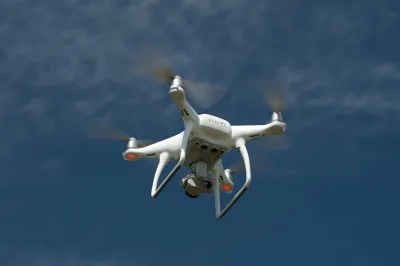
Bhubaneswar, Feb 4 (NationPress) The Odisha Forest Department has implemented AI-powered cameras and drones this year to facilitate early detection and prompt action for preventing forest fires.
During a media briefing, the Principal Chief Conservator of Forests and Head of Forest Force (PCCF & HoFF), K. Murugesan, emphasized that timely detection using satellite-based fire alerts and quick responses from field personnel have effectively contained most incidents, achieving an impressive response efficiency of 99.7% and significantly reducing damage.
Last year, data revealed that around 29,709 forest fire locations were recorded in Odisha, primarily due to human negligence, exacerbated by dry grass and fallen leaves in the forests.
Murugesan noted that based on previous experiences, the Forest Department has enhanced its readiness for the current fire season. District Action Plans have been established across all districts, with approximately 20,461 kilometers of fire lines created and maintained in at-risk forest areas.
To strengthen on-ground efforts, 334 dedicated fire protection squads have been deployed at division, range, and beat levels. These teams are equipped with vital firefighting equipment, including nearly 5,000 fire lift blowers and safety kits.
“The early warning and response system has been further improved with the introduction of AI-powered cameras and drones. We have also ensured the active involvement of Vana Suraksha Samitis, Eco-Development Committees, and local communities. Awareness initiatives have already reached 336 villages, with over 631 training programs scheduled for various field units. Additionally, around 200 NDRF personnel have undergone specialized training in forest fire prevention and control,” stated Murugesan.
He urged the community, particularly those residing near forested areas, to avoid igniting fires in forests or their peripheries.
Murugesan cautioned that careless fire usage could lead to severe and irreversible damage to forests and wildlife, highlighting the necessity of public cooperation to maintain a safe and fire-free forest season.
Point of View
Odisha's proactive approach in utilizing AI technology for forest fire preparedness reflects a commendable commitment towards environmental conservation. The strategies implemented could serve as a model for other states grappling with similar challenges. The emphasis on community involvement and training for local personnel underscores the importance of collective responsibility in safeguarding our natural resources.
NationPress
1 Oct 2026
Frequently Asked Questions
What technology is being used to prevent forest fires in Odisha?
The Odisha Forest Department has introduced AI-enabled cameras and drones for early detection and rapid intervention to prevent forest fires.
How many forest fire sites were identified last year in Odisha?
Approximately 29,709 forest fire sites were identified in Odisha last year.
What is the response efficiency achieved by the Odisha Forest Department?
The Odisha Forest Department achieved an impressive response efficiency of 99.7% in containing forest fire incidents.
How many fire protection squads have been deployed?
A total of 334 dedicated fire protection squads have been deployed at various levels to combat forest fires.
What measures are being taken to involve the community?
The Forest Department is actively engaging Vana Suraksha Samitis, Eco-Development Committees, and local communities to enhance fire prevention efforts.