Did Former Nepal PM Oli Uncover a Conspiracy Behind the Gen-Z Protests?
Synopsis
In a charged address, former Nepal PM K P Sharma Oli claims that the devastation during the Gen-Z protests was not merely a reaction to government actions but a calculated conspiracy to undermine democracy and the constitution. As political tensions rise, the implications for Nepal's future are profound.
Key Takeaways
Oli's Accusations: Former PM K P Sharma Oli alleges a conspiracy behind the Gen-Z protests.
Widespread Destruction: The protests resulted in significant damage to public and private properties.
Loss of Life: Approximately 77 individuals died during the protests.
Political Implications: The protests led to the ousting of Oli's government.
Call for Elections: Elections are scheduled for March 5, but concerns about preparations remain.
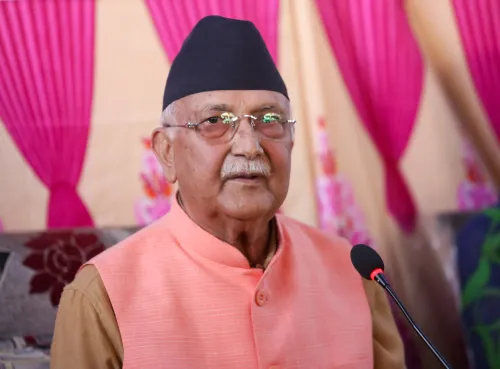
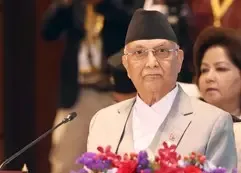
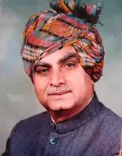
Kathmandu, Dec 13 (NationPress) Former Prime Minister of Nepal, K P Sharma Oli, recently labeled the destruction of both public and private properties during the Gen-Z protests in early September as a carefully orchestrated conspiracy aimed at undermining the constitution, constitutional procedures, and democracy within the nation.
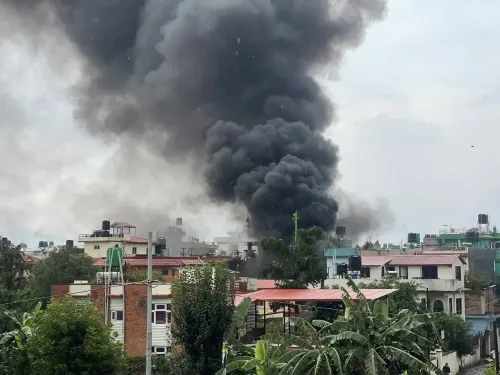
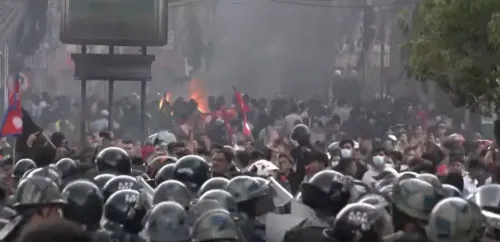
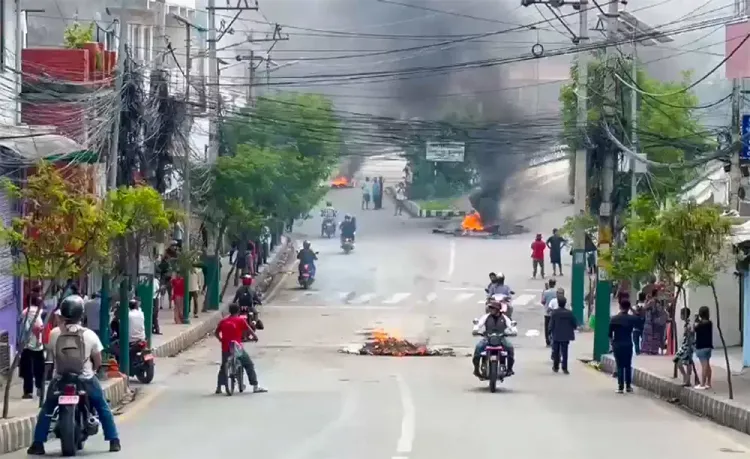
The turmoil erupted after several Gen-Z protesters tragically lost their lives due to police action on September 8, leading to extensive damage to government and private infrastructures, including crucial buildings within Singha Durbar — the central administrative hub of the Nepali government, the President’s Office, the Supreme Court, residences of political figures, hotels, shopping centers, and police stations.
According to a government-formed committee, approximately 77 individuals died in incidents related to the Gen-Z protests, with damages estimated at NPR 84.45 billion. This movement ultimately led to the removal of the Oli-led government, paving the way for the current apolitical administration under Sushila Karki.
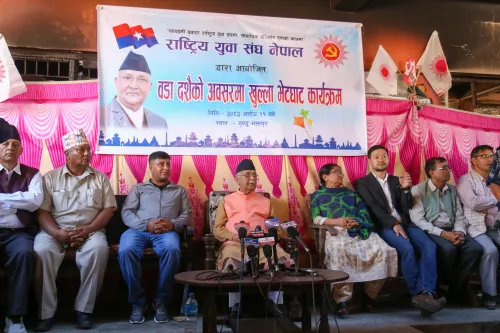
Oli raised alarming questions at the 11th General Convention of the CPN (UML), asking, "Was the chaos of September 9 merely a reaction from a discontented group, or was there a larger agenda at play? Was the intent solely to change the government, or was there a deeper plot aimed at dismantling the state itself?" He asserted, "If the objective was merely governmental change, the nation would not have been reduced to ashes."
He articulated that the devastation of both state and private property was a significant part of a long-planned conspiracy to dismantle the constitution, constitutional practices, and the democracy achieved through decades of struggle, resulting in a void of governance and instability.
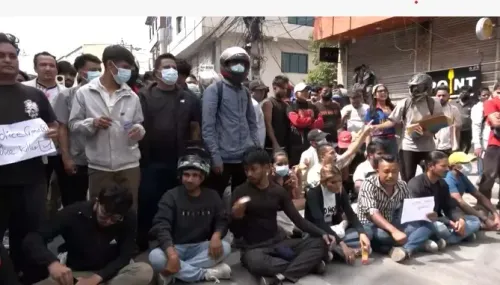
Initiated on September 8 in response to restrictions on social media and rampant corruption, the protests spiraled out of control amid a police crackdown, resulting in the death of 20 individuals on the very first day.
However, Oli acknowledged that the issues raised by the Gen-Z and the youth—such as demands for open social media, corruption control, and the establishment of good governance—were valid.
"Our intention was not to eliminate social media but to regulate it legally for the safety of the nation and its citizens," he clarified.
He attributed the violence and chaos to various interest groups infiltrating the protests, which incited disorder, encouraged breaches of restricted areas, engaged in arson and vandalism of the parliament, and exploited the youths who were initially organizing peaceful protests to serve their own agendas—resulting in unimaginable tragedies that claimed numerous young lives.
Oli reiterated his stance that the current government was formed in an unconstitutional manner, asserting that the dissolution of the House of Representatives was also unconstitutional, and called for its restoration. Leaders from both the UML and the Nepali Congress—the previous coalition partners—have submitted separate writ petitions to the Supreme Court demanding the restoration of the House.
On September 12, President Ram Chandra Poudel dissolved the House of Representatives based on a recommendation from Prime Minister Karki, with new elections tentatively scheduled for March 5 of the following year.
Nonetheless, Oli questioned the current government's commitment to conducting the upcoming elections, noting the lack of visible preparations.
"The government is obligated to hold elections on March 5—yet where are the preparations?" Oli inquired. "If the government were serious about these elections, it would foster trust, ensure transparency, promote assemblies, encourage party activities, and create an environment free from fear. Instead, we witness prohibitions, legal actions instead of discussions, and threats overshadowing competition."
The upcoming General Convention is set to elect new party leadership, with Oli and Senior Vice-President Ishwor Pokharel vying for the chairmanship. Former President Bidya Devi Bhandari has endorsed Pokharel for this role.
Point of View
It is vital to recognize the political landscape's complexity in Nepal. The allegations from former PM K P Sharma Oli regarding the Gen-Z protests highlight the deep divisions and ongoing struggles for democracy and governance in the country. While the tragic events of September cannot be minimized, understanding the broader implications and motives behind such protests is essential for a balanced narrative.
NationPress
30 Sept 2026
Frequently Asked Questions
What triggered the Gen-Z protests in Nepal?
The protests began on September 8 in response to a ban on social media and widespread corruption, leading to violent clashes.
How many people were reported dead during the protests?
According to estimates, approximately 77 individuals lost their lives related to the Gen-Z protests.
What does K P Sharma Oli claim about the protests?
Oli claims that the destruction during the protests was part of a conspiracy aimed at undermining the constitution and democracy.
When are the next elections scheduled in Nepal?
The next elections in Nepal are scheduled for March 5 of the coming year.
What are the main demands of the Gen-Z movement?
The primary demands include open social media, combating corruption, and establishing good governance.