Maharashtra fast-track courts: Only 58 of 138 functional, CM Fadnavis tells Assembly
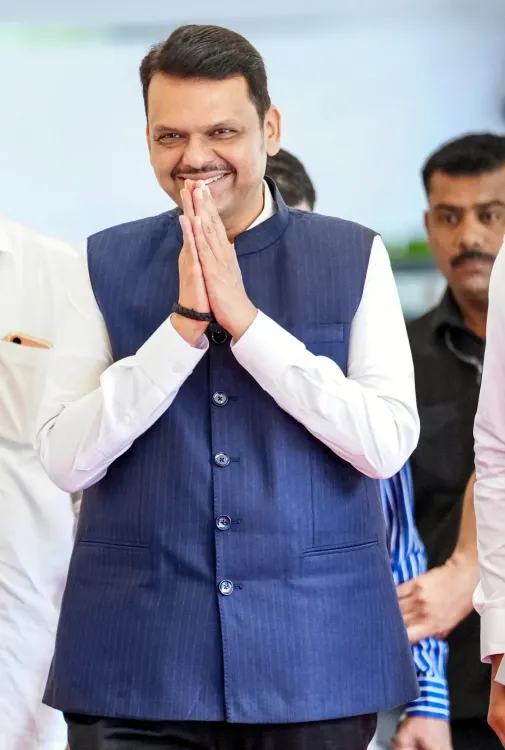
Synopsis
Only 58 of Maharashtra's 138 sanctioned fast-track courts are running — and the bottleneck is judges, not money. With the Bombay High Court's recruitment process reportedly in its final stages, CM Fadnavis has committed to making judicial vacancies a priority agenda item at his next meeting with the Chief Justice, after Speaker Rahul Narwekar flagged years-long criminal case backlogs on the Assembly floor.
Key Takeaways
Only 58 of 138 sanctioned fast-track courts in Maharashtra are currently operational as of 7 July 2025 .
CM Devendra Fadnavis told the Legislative Assembly that judge appointments are solely within the Bombay High Court's purview.
The High Court has reportedly indicated its judge recruitment and promotion process is in its final stages.
Courts without full judicial strength have been given 'designated' status but must simultaneously handle regular cases.
Speaker Rahul Narwekar flagged severe delays, particularly in Pune's MCOCA court , and directed immediate action on vacancies.
Fadnavis committed to raising judicial vacancies as a priority agenda item at the next meeting with the Chief Justice.
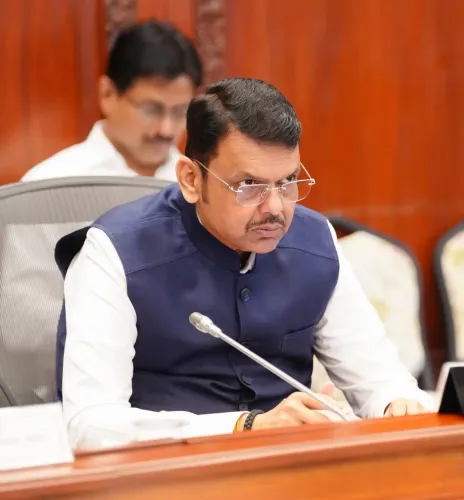
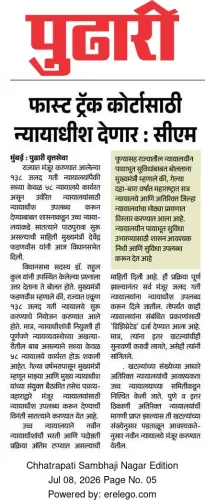
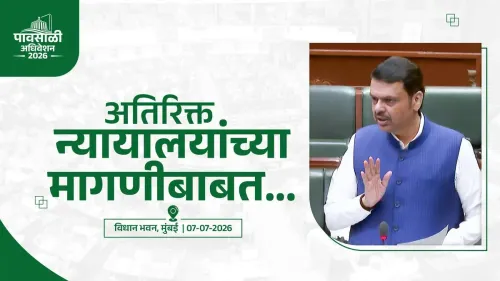
Chief Minister Devendra Fadnavis on Tuesday, 7 July informed the Maharashtra Legislative Assembly that only 58 of the 138 sanctioned fast-track courts in the state are currently operational. The government, he said, is in continuous dialogue with the Bombay High Court to secure judges for the remaining 80 courts — a process that lies entirely within the judiciary's domain.
Why So Many Courts Remain Non-Functional
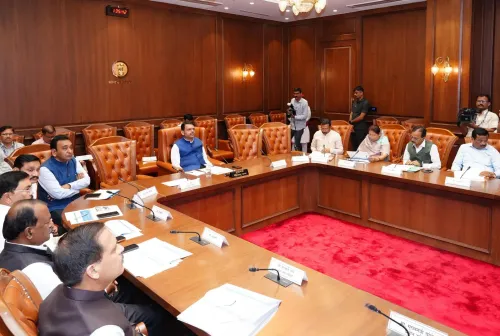
Responding to a question raised by MLA Rahul Kul, Fadnavis explained that the appointment of judges is exclusively the High Court's prerogative, leaving the state government with limited leverage. Over the past year, the government has sent repeated written requests and held joint meetings with the Chief Justice to press for faster appointments.
The Bombay High Court has reportedly conveyed that recruitment and promotion processes for new judges are in their final stages. Once concluded, judges will be assigned to all sanctioned fast-track courts across Maharashtra.
Interim Arrangement: 'Designated' Court Status
Until full judicial strength is achieved, some courts have been granted 'designated' status for specific categories of cases. However, these courts are simultaneously required to handle regular civil and criminal matters, diluting their intended fast-track purpose.
Speaker Flags Vacancies, Delays in Justice
Legislative Assembly Speaker Rahul Narwekar intervened sharply, noting that large-scale vacancies in the lower judiciary are causing severe delays in the delivery of justice. He specifically highlighted the MCOCA (Maharashtra Control of Organised Crime Act) court in Pune and several other courts where criminal cases have been pending for years, inflicting hardship on ordinary citizens.
The Speaker directed that vacant judgeships be filled immediately and that the expediting process be coordinated directly with the Chief Justice — an unusual floor-level intervention that underscores the urgency of the crisis.
Judicial Infrastructure and Expansion
Fadnavis also addressed broader judicial infrastructure, noting that sessions courts and additional district courts across Maharashtra have undergone significant expansion over the last 10 to 12 years. The requirement for new courts is assessed by a High Court committee based on pending caseload volumes.
He assured that demands for additional courts from Pune or elsewhere would be verified against actual caseload data before new courts are approved. The government, he said, is providing necessary funds and facilities to build judicial infrastructure wherever needed.
Government's Next Steps
Responding to the Speaker's directives, Fadnavis assured that judicial vacancies would be placed on the agenda for the next meeting with the Chief Justice and treated as a priority item. He reiterated that the government would proactively flag districts with acute judge shortages to the High Court to accelerate the recruitment pipeline.
With the High Court's recruitment process reportedly in its final stages, the pace of judicial appointments in the coming months will determine whether Maharashtra's fast-track court network can finally operate at its sanctioned strength.
Point of View
Patience with the pace of judicial recruitment is wearing thin. The 'designated court' workaround — where a court handles both fast-track and regular cases — is a quiet admission that the fast-track model has been compromised. Until appointments keep pace with sanctions, Maharashtra's backlog will continue to grow regardless of how many courtrooms are built.
NationPress
6 Oct 2026
Frequently Asked Questions
How many fast-track courts are functional in Maharashtra?
As of 7 July 2025, only 58 of the 138 sanctioned fast-track courts in Maharashtra are operational. The remaining courts cannot function due to a shortage of judges, whose appointment is the Bombay High Court's responsibility.
Why are the remaining fast-track courts not operational?
The appointment of judges falls exclusively under the judiciary's purview, not the state government's. The Maharashtra government has been following up with the Bombay High Court through correspondence and joint meetings, but appointments are pending completion of the High Court's recruitment and promotion process.
What is the 'designated' court status mentioned by CM Fadnavis?
Courts granted 'designated' status are assigned to hear specific categories of fast-track cases, but they must simultaneously continue hearing regular civil and criminal matters. This is an interim arrangement until full judicial strength is achieved.
What did Speaker Rahul Narwekar say about judicial delays?
Speaker Rahul Narwekar intervened in the Assembly to flag that large-scale vacancies in the lower judiciary are causing severe delays in justice delivery. He specifically cited Pune's MCOCA court and other courts where criminal cases have been pending for years, directing that vacancies be filled immediately.
What has CM Fadnavis committed to doing next?
Fadnavis assured the Assembly that judicial vacancies will be placed on the agenda for the next meeting with the Chief Justice and treated as a priority. He also said the government will proactively flag districts with acute judge shortages to accelerate the recruitment process.