CM Fadnavis chairs SC/ST Atrocities Act review, orders fast-track courts
Synopsis
CM Devendra Fadnavis chaired Maharashtra's State-Level High Power Vigilance and Monitoring Committee on 3 July 2026, directing fast-track courts in high-incidence districts, video-recorded trials, SDPO-level training, and six-monthly reviews to raise conviction rates under the SC/ST Atrocities Act.
Key Takeaways
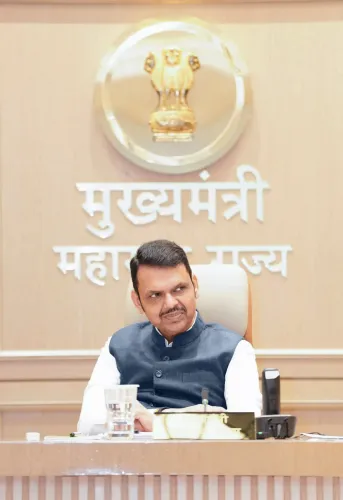
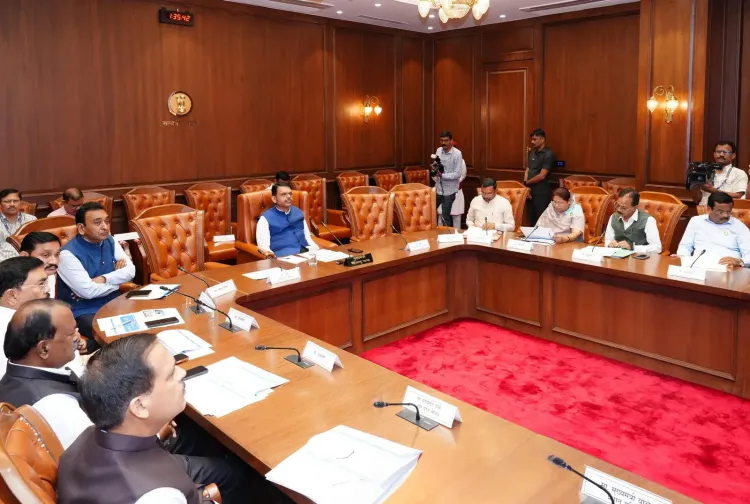
CM Devendra Fadnavis chaired the State-Level High Power Vigilance and Monitoring Committee meeting at Vidhan Bhavan, Mumbai on 3 July 2026 .
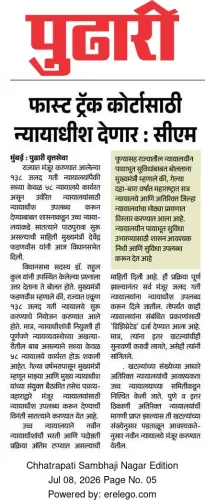
Fast-track courts to be set up in Solapur, Ahilyanagar, Parbhani, Nanded and Yavatmal — the five districts with the highest atrocity case loads.
Public prosecutors' performance evaluations to include their conviction record under special laws such as the Atrocities Act.
The Home Department's MARVEL institute directed to study conviction failures and create a standardised investigation-to-prosecution procedure.
Court hearings under the Act to be video-recorded to curb witness tampering; a witness protection programme to be launched for serious offences.
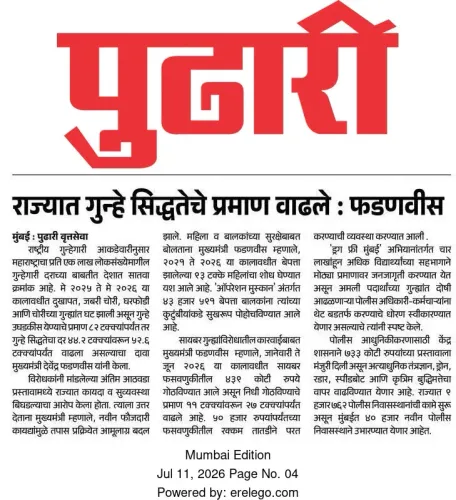
In 2025-26 , 4,524 victims received ₹53.57 crore in financial relief; 2,081 victims have received ₹27.40 crore so far in 2026-27.
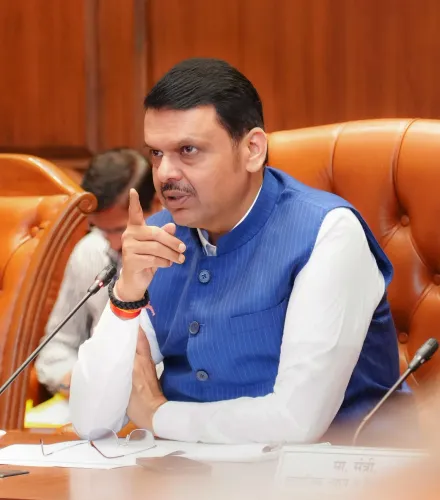
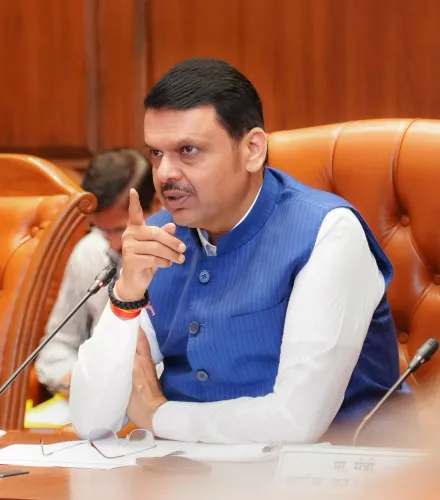
The Chief Minister's Office of Maharashtra announced on Friday, 3 July 2026 that Chief Minister Devendra Fadnavis chaired a high-level meeting of the State-Level High Power Vigilance and Monitoring Committee at Vidhan Bhavan, Mumbai, to review implementation of the Scheduled Castes and Scheduled Tribes (Prevention of Atrocities) Act and directed a focused push to raise conviction rates in atrocity cases.
Context
The meeting of the State-Level High Power Vigilance and Monitoring Committee — constituted under the SC/ST (Prevention of Atrocities) Act to periodically review case registration, investigation and conviction rates — brought together Member of Parliament Dr. Hemant Savara, other legislators, and senior state officials. CM Fadnavis directed that conviction rates under the 'Atrocity Act' (ॲट्रॉसिटी कायदा) be increased and that the role of public prosecutors in securing convictions under special laws be reflected in their performance evaluations.
The CM also directed that a proposal be prepared to introduce a provision — modelled on the Bharatiya Nyaya Sanhita — allowing a maximum of two instances of compromise or settlement in any case, so that accused persons in atrocity cases cannot escape conviction through repeated settlements. He said similar two-settlement limits should be incorporated into special laws as well.
Policy Backdrop
The Scheduled Castes and Scheduled Tribes (Prevention of Atrocities) Act, 1989 — substantially amended in 2015 to expand the list of offences and strengthen enforcement — mandates states to constitute vigilance and monitoring committees and hold periodic reviews. Maharashtra's committee is required to meet at regular intervals to assess ground-level implementation. Persistently low national conviction rates in atrocity cases have long driven calls for procedural reform, and the post-2015 amendments placed greater emphasis on victim-centric implementation.
CM Fadnavis directed that the Home Department's MARVEL institute study the reasons for low conviction rates — including weak evidence, breaks in the chain of events, and witness turning hostile — and develop a standardised operating procedure covering the period from case registration to filing of the charge sheet in court. He also directed that court hearings in cases filed under this Act be video-recorded as provided under the Bharatiya Nyaya Sanhita, to reduce witness tampering.
Stakeholders and Impact
CM Fadnavis ordered the establishment of fast-track courts in districts with the highest incidence of atrocity cases, to accelerate trial outcomes and deliver justice to victims sooner after case registration. He named Solapur, Ahilyanagar, Parbhani, Nanded and Yavatmal as districts where police must investigate and report on the reasons behind the higher volume of registered atrocity crimes, and directed that false cases, if identified after investigation, should not be filed.
On victim relief, the CMO stated that under the Atrocities Act, 4,524 victims received financial assistance in 2025-26, with a fund disbursement of ₹53.57 crore. In 2026-27, 2,081 victims have so far received ₹27.40 crore in aid. The CMO also noted that the dedicated helpline 14566 accepts complaints under the Act, and that 282 complaints received on the helpline were disposed of before 1 June 2026. A witness protection programme was also directed for cases involving serious offences such as murder, rape, and robbery filed under the Act.
CM Fadnavis further directed that workshops be held across the state with a primary focus on training officers at the Sub-Divisional Police Officer (SDPO) level, since the SDPO is the designated investigating officer under this Act. District-level coordination between enforcement agencies and public prosecutors is to be strengthened.
What's Next
The CM directed that state-level review meetings under this Act be held every six months — alternately chaired by the Chief Minister and the Director General of Police. The immediate priorities are the rollout of fast-track courts in the five high-incidence districts, submission of police analytical reports on case failures, and the MARVEL institute's development of a standardised investigation-to-prosecution procedure. These steps will be the key markers of whether Maharashtra translates this meeting's directives into measurable improvements in conviction rates for atrocity cases.
Point of View
Mirroring the Bharatiya Nyaya Sanhita, signals an attempt to close a loophole that has historically allowed accused persons to delay or escape accountability. Ordering fast-track courts specifically in the five highest-incidence districts reflects a data-driven targeting approach, though the real test will be whether the judiciary and state budget follow through with adequate benches and funding. The six-monthly review cycle under alternating CM and DGP chairmanship institutionalises accountability in a way that previous ad-hoc meetings did not, fitting into a broader national pattern of states being pushed toward measurable, time-bound outcomes on SC/ST protection.
NationPress
2 Oct 2026
Frequently Asked Questions
What decisions were taken at the Maharashtra SC/ST Atrocities Act meeting on 3 July 2026?
CM Devendra Fadnavis directed that fast-track courts be set up in five high-incidence districts, that public prosecutors be evaluated on their conviction record, that court hearings be video-recorded, and that a standardised investigation procedure be developed by the MARVEL institute to improve conviction rates.
Which districts in Maharashtra have the highest number of atrocity cases?
CM Fadnavis identified Solapur, Ahilyanagar, Parbhani, Nanded and Yavatmal as the districts with the highest registration of crimes under the SC/ST (Prevention of Atrocities) Act, and directed police to investigate and report on the reasons behind this.
What financial relief has Maharashtra provided to atrocity victims?
In 2025-26, Maharashtra provided financial assistance of ₹53.57 crore to 4,524 victims under the Atrocities Act. In 2026-27, 2,081 victims have so far received ₹27.40 crore.
What is the helpline number for SC/ST atrocity complaints in Maharashtra?
Complaints under the SC/ST (Prevention of Atrocities) Act in Maharashtra can be filed on helpline number 14566. As of the meeting, 282 complaints received on this helpline were disposed of before 1 June 2026.
How often will Maharashtra review the implementation of the SC/ST Atrocities Act?
CM Fadnavis directed that state-level review meetings be held every six months, alternately chaired by the Chief Minister and the Director General of Police.