Is Lok Sabha Speaker Om Birla Exhibiting Partisan Behavior?
Synopsis
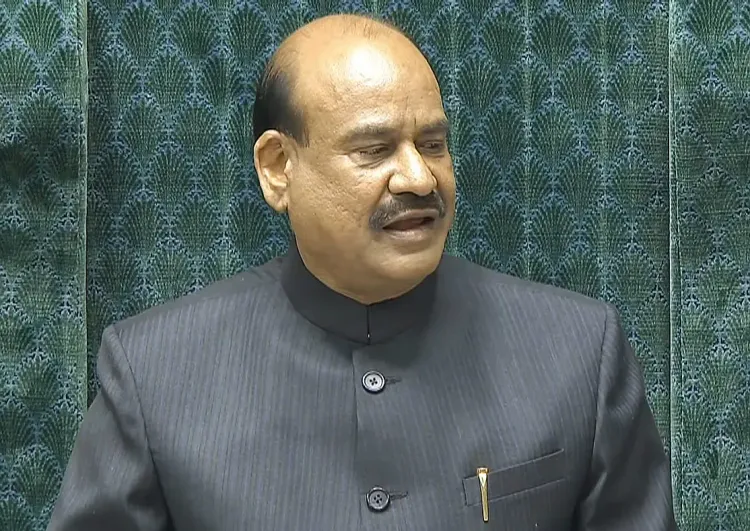
In a bold political move, the Opposition has filed a no-confidence motion against Lok Sabha Speaker Om Birla, citing serious allegations of partisan behavior. This development raises significant questions about parliamentary conduct and the role of the Speaker in maintaining democratic integrity.
Key Takeaways
Opposition parties have filed a no-confidence motion against Speaker Om Birla.
The motion alleges partisan conduct in House proceedings.
118 MPs have endorsed the motion.
Key incidents cited include denial of speaking opportunities and arbitrary suspensions.
The importance of maintaining parliamentary decorum is emphasized.
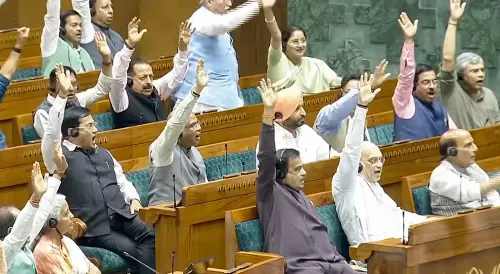
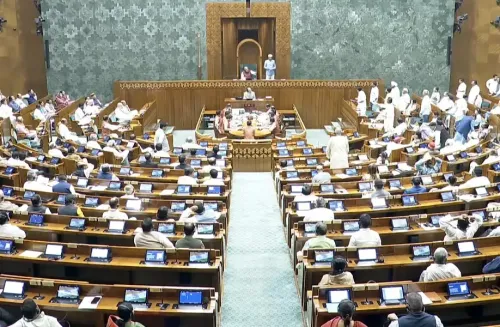
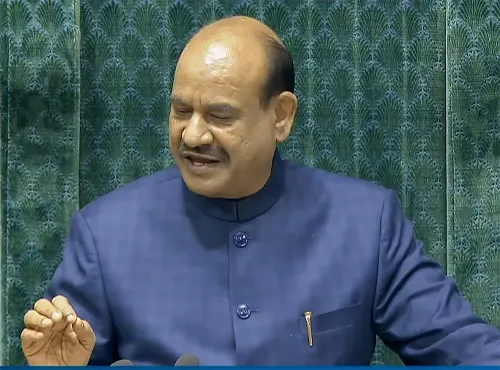
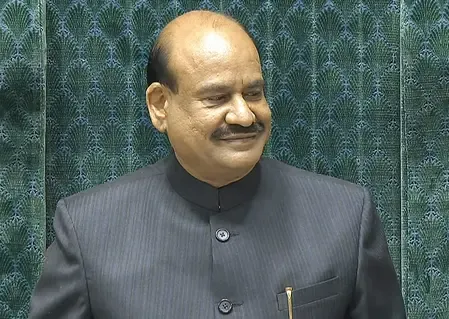
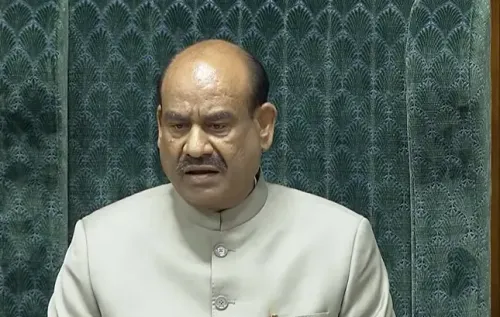
New Delhi, Feb 10 (NationPress) On Tuesday, the Opposition parties initiated a no-confidence motion against Lok Sabha Speaker Om Birla, alleging "partisan conduct" in the operations of the House. The notice has been officially filed with the Lok Sabha Secretary-General.
The motion was presented by Gaurav Gogoi, the Deputy Leader of Congress in the Lok Sabha, under Rule 94(c) of the Rules of Procedure and Conduct of Business in the Lok Sabha, invoking Article 94(c) of the Constitution, which allows for the Speaker's removal.
In the notice, the Opposition accused the Speaker of managing House proceedings in a “blatantly partisan manner” and consistently denying Opposition leaders, including Rahul Gandhi, the chance to speak.
The motion highlighted several incidents to support its claims. It mentioned that on February 2, Rahul Gandhi was interrupted before he could finish his speech on the Motion of Thanks to the President’s Address. On February 3, eight Opposition MPs were “arbitrarily suspended” for the remainder of the Budget Session, which the notice described as punishing members for exercising their democratic rights.
The Opposition also recalled an incident on February 4, where a BJP MP allegedly made “wholly objectionable and personalized attacks” on two former Prime Ministers without facing any reprimand from the Chair, despite multiple requests from Opposition members. No action was taken against the MP, characterized in the notice as a “habitual offender”.
Furthermore, the motion criticized remarks made by Speaker Om Birla on February 5, after the Motion of Thanks was passed via a voice vote. In his address to the House, Birla accused Opposition members of creating unprecedented disturbances and stated he had advised the Prime Minister against attending the House to prevent a potential “unpleasant incident”.
The Opposition contended that these remarks were blatantly false and detrimental to Congress MPs.
“The Speaker, who is expected to uphold the Rules of Procedure and ensure parliamentary decorum, misused this constitutional office by making such statements in the House,” the notice stated.
While the Opposition expressed personal respect for the Speaker, it conveyed feeling “pained and anguished” by what it described as a persistent pattern of obstructing Opposition MPs from addressing significant public issues within the Lok Sabha.
A total of 118 MPs have endorsed the no-confidence motion notice.
Point of View
Our perspective remains aligned with the principles of democracy and parliamentary integrity. The no-confidence motion against Speaker Om Birla underscores the need for impartiality in governance, a cornerstone of our democratic framework. It is essential to analyze these developments with a focus on maintaining the sanctity of legislative processes.
NationPress
29 Sept 2026
Frequently Asked Questions
What is the no-confidence motion against Om Birla?
The no-confidence motion is a formal proposal by the Opposition alleging that Lok Sabha Speaker Om Birla has exhibited partisan behavior, undermining the impartiality expected from his position.
Who filed the no-confidence motion?
The no-confidence motion was filed by Gaurav Gogoi, the Deputy Leader of Congress in the Lok Sabha.
What are the main allegations against Om Birla?
Allegations include consistently denying Opposition leaders the opportunity to speak and conducting House proceedings in a blatantly partisan manner.
How many MPs have signed the no-confidence motion?
A total of 118 MPs have signed the notice of the no-confidence motion.
What does this motion mean for parliamentary democracy?
This motion signifies a critical evaluation of the Speaker's role and emphasizes the importance of maintaining impartiality within legislative processes.