Bengal SIR: Is it true that over 46 lakh names are set for exclusion from the voters’ list?
Synopsis
The ongoing Special Intensive Revision in West Bengal has revealed that over 46 lakh names may be removed from the voters' list. With significant categories such as deceased, untraceable, and duplicate voters involved, this situation raises critical questions about electoral integrity and accuracy.
Key Takeaways
Over 46 lakh names identified for exclusion from voters' list.
Categories include deceased , untraceable , shifted , and duplicate voters .
Significant drop in polling booths with no deceased or duplicate voters.
Calls for improved electoral management and transparency.
Total voters in West Bengal as of October 27 is 7,66,37,529 .
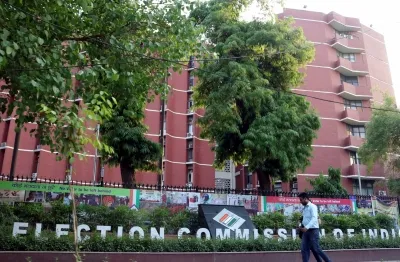
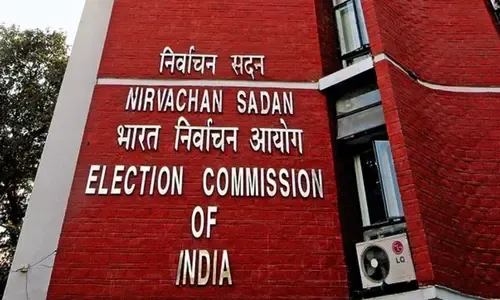
Kolkata, Dec 3 (NationPress) More than 46 lakh names across West Bengal have been earmarked for removal from the voters’ list based on the latest data obtained during the digitisation of enumeration forms as part of the ongoing Special Intensive Revision (SIR) initiated by the Election Commission of India (ECI) on November 4.
Currently, the count of names eligible for exclusion from the voters' list stands at 46.30 lakh, reflecting the digitisation progress made until Tuesday evening.
This figure has seen an increase from 43.50 lakh reported on Monday evening, indicating that an additional 2.70 lakh names have been added to the exclusion list within just 24 hours.
According to insiders at the office of the Chief Electoral Officer (CEO) of West Bengal, of the 46.20 lakh names identified for exclusion by Tuesday evening, approximately 22.28 lakh fall under the “deceased voters” category.
Moreover, around 6.40 lakh voters have been classified as “untraceable,” suggesting that despite numerous attempts, booth-level officers (BLOs) could not successfully deliver enumeration forms to them.
Around 16.22 lakh voters are categorized as “shifted voters,” meaning they have permanently relocated due to reasons like marriage or employment.
Lastly, about 1.05 lakh voters have been identified as “duplicate,” indicating these individuals are registered in two different locations.
According to the electoral roll as of October 27, the total voter count in West Bengal is 7,66,37,529.
On Tuesday evening, the ECI reported a significant alteration in the number of polling booths identified as lacking any deceased, duplicate, or shifted voters, which drastically decreased within just 24 hours from the previous count recorded on Monday evening.
Initially, on Monday, the ECI identified 2,208 polling booths without a single deceased, duplicate, or shifted voter. However, following fresh evaluations submitted by District Magistrates to the ECI on Tuesday, this number has now dropped to 480.
Point of View
I must emphasize that the identification of over 46 lakh names for exclusion from the voters' list in West Bengal highlights a pressing issue in electoral management. It is crucial for the integrity of our democratic process that such discrepancies are addressed promptly and transparently. This situation calls for a thorough examination to ensure that all eligible voters are accounted for and that our electoral rolls reflect the true identity of our electorate.
NationPress
1 Oct 2026
Frequently Asked Questions
Why are names being excluded from the voters' list?
Names are being excluded due to various categories such as deceased voters, untraceable voters, shifted voters, and duplicates.
How many names have been identified for exclusion?
Currently, over 46 lakh names have been identified for exclusion from the voters' list in West Bengal.
What is the process of voter exclusion?
The process involves digitisation of enumeration forms and categorizing voters based on their status, followed by verification by electoral officers.
What categories are voters being classified into?
Voters are classified into categories such as deceased, untraceable, shifted, and duplicate voters.
What implications does this have for future elections?
This could significantly impact the accuracy of the electoral rolls, ensuring that only eligible voters are allowed to participate in elections.