Cheruvayal Raman, Padma Shri tribal farmer who saved 50 rice varieties, dies at 74
Synopsis
Cheruvayal Raman didn't have a lab, a degree, or an institution behind him — just land in Wayanad and an extraordinary commitment to seeds others had given up on. His death at 74 closes the chapter of a one-man conservation mission that saved over 50 traditional rice varieties from extinction, and leaves an urgent question unanswered: who guards the seeds now?
Key Takeaways
Cheruvayal Raman , Padma Shri awardee and tribal farmer from Wayanad , died on 14 October 2026 at age 74 at Kozhikode Medical College Hospital .
He conserved more than 50 traditional and endangered paddy varieties over several decades of farming.
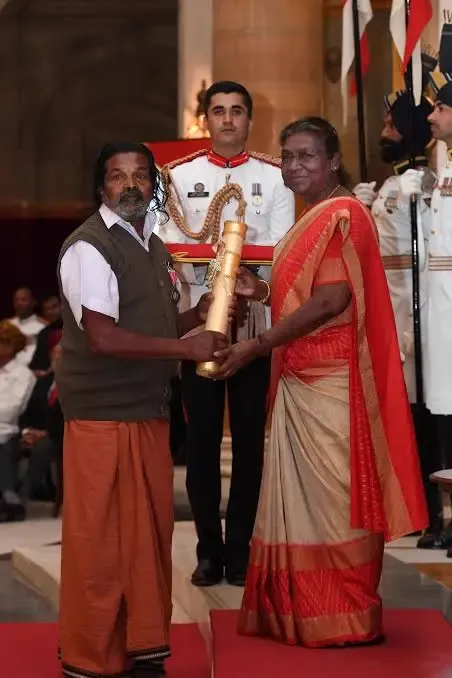
Raman received the Padma Shri in 2023 for his contribution to indigenous rice variety conservation and traditional farming practices.
The UDF government conferred on him the inaugural Oommen Chandy Memorial Agricultural Award after assuming office.
Kerala Chief Minister V.D.
Satheesan described his death as an irreparable loss to the state's agricultural sector and heritage conservation.
The future custodianship of Raman's seed collection has not yet been formally announced.
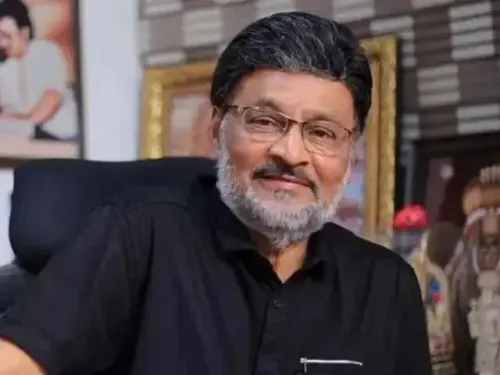
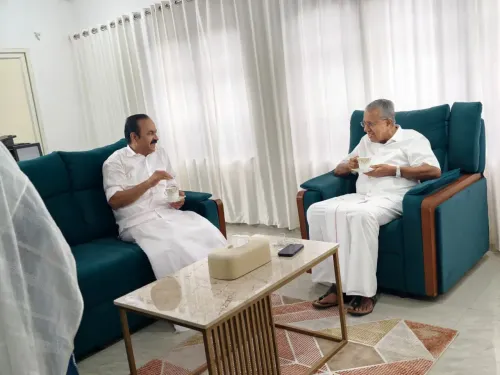
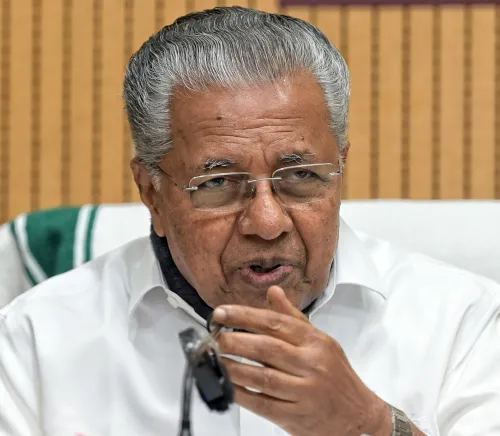
Padma Shri awardee Cheruvayal Raman, the Wayanad tribal farmer celebrated across India for conserving more than 50 endangered traditional paddy varieties, died on Wednesday, 14 October 2026 while undergoing treatment at Kozhikode Medical College Hospital. He was 74. His passing drew an outpouring of condolences from across the agricultural and political spectrum, with Kerala Chief Minister V.D. Satheesan describing it as an irreparable loss to the state's farming heritage.
A Life Devoted to Seed Conservation
Despite completing only a primary school education, Raman spent decades cultivating and carefully preserving rare indigenous rice varieties on his land in Wayanad, ensuring their seeds remained available for generations to come. His work single-handedly pulled more than 50 traditional paddy strains back from the brink of extinction — varieties that had been steadily displaced by high-yield commercial cultivars over the previous half-century.
Notably, his fields became a living seed bank that attracted researchers, agricultural scientists, and visitors from different parts of the world, transforming a small tribal holding in Kerala's hill district into an internationally recognised hub of agro-biodiversity.
Recognition and Legacy
The Government of India honoured Raman with the Padma Shri in 2023, recognising his contribution to the conservation of indigenous rice varieties and traditional farming practices. More recently, the United Democratic Front (UDF) government in Kerala presented him with the inaugural Oommen Chandy Memorial Agricultural Award, announced on Chingam after the government assumed office — a gesture Chief Minister Satheesan described as a matter of great happiness and pride.
His influence extended well beyond Wayanad: farmers across Kerala reportedly adopted or re-adopted traditional cultivation methods inspired by his example, helping sustain practices that formal agricultural institutions had largely set aside.
Chief Minister's Tribute
Chief Minister V.D. Satheesan paid homage in a formal condolence message, underscoring the broader significance of Raman's quiet, decades-long mission. 'By making traditional paddy varieties that might otherwise have disappeared an integral part of his life and preserving them for future generations, Cheruvayal Raman became a true guardian of Kerala's agricultural heritage,' Satheesan said.
The Chief Minister added that Raman had demonstrated through his life that farming was not merely a livelihood but a responsibility towards the soil and nature, and that his efforts to pass on knowledge of traditional seeds and farming practices to younger generations would be remembered for years.
'Every seed he safeguarded carries hope for future generations. Keeping that hope alive in the soil is the greatest tribute we can pay to him,' Satheesan said.
What His Work Means for Indian Agriculture
India has lost an estimated 100,000 rice varieties over the past century, according to agricultural biodiversity researchers — a decline driven by the Green Revolution's push toward uniformity and yield maximisation. Raman's informal conservation effort stood as a counterpoint to that trend, and his methods have been cited by experts as a model for community-led seed preservation.
This comes amid growing concern among scientists about climate resilience: traditional rice varieties often carry drought, flood, and pest tolerances that modern hybrids lack, making their preservation strategically significant beyond cultural value alone.
What Happens Next
With Raman gone, the continuity of the seed collection he built over a lifetime will depend on whether family members, local farming communities, or the Kerala government step in to maintain it. Agricultural organisations and researchers who collaborated with him are expected to coordinate on the preservation of his seed stock. The state government has not yet made a formal announcement regarding the collection's future custodianship.
Point of View
But the harder question — whether Kerala will formally acquire and protect the seed stock he leaves behind — remains unanswered. If the collection disperses or deteriorates, the tributes will ring hollow against a backdrop of India having already lost an estimated 100,000 rice varieties in a century. Raman's legacy deserves more than a memorial award; it demands a custodial framework.
NationPress
14 Oct 2026
Frequently Asked Questions
Who was Cheruvayal Raman?
Cheruvayal Raman was a tribal farmer from Wayanad, Kerala, who became nationally and internationally recognised for conserving more than 50 traditional and endangered paddy varieties over several decades. Despite only a primary school education, he was honoured with the Padma Shri in 2023 for his contributions to indigenous rice variety conservation and traditional farming practices.
How did Cheruvayal Raman preserve traditional rice varieties?
Raman cultivated rare indigenous rice strains on his own land in Wayanad and meticulously preserved their seeds each season, ensuring continuity outside commercial or institutional seed banks. His fields attracted researchers and agricultural experts from across the world, and his methods are cited as a model for community-led seed conservation.
What awards did Cheruvayal Raman receive?
He received the Padma Shri in 2023 from the Government of India for his work in conserving indigenous rice varieties. He was also the first recipient of the Oommen Chandy Memorial Agricultural Award, conferred by the Kerala UDF government after it assumed office.
What happens to Cheruvayal Raman's seed collection after his death?
The future of the seed collection he built over a lifetime remains uncertain. Agricultural organisations and researchers who worked with him are expected to coordinate on its preservation, but the Kerala government has not yet made a formal announcement regarding custodianship of the collection.
Why does conserving traditional paddy varieties matter?
Traditional rice varieties often carry resilience traits — drought tolerance, flood resistance, pest resistance — that modern high-yield hybrids lack, making them strategically important for food security in a changing climate. India has lost an estimated 100,000 rice varieties over the past century, according to agricultural biodiversity researchers, making informal conservators like Raman critically important.