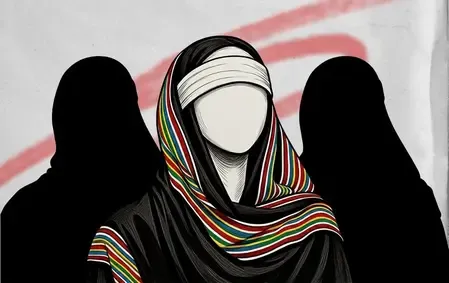
Pakistan misusing detention laws against Baloch, Pashtun activists: Amnesty
Synopsis
Three peaceful activists — a Pashtun leader, a Baloch woman, and a journalist in PoK — are in administrative detention under Pakistan's Maintenance of Public Order Ordinance. Amnesty International says the cases reveal a coordinated pattern of using colonial-era preventive detention laws to silence dissent across Balochistan, Khyber Pakhtunkhwa, and Pakistan-occupied Kashmir.
Key Takeaways
Amnesty International has demanded the immediate release of Zubair Shah Agha , Syed Bibi Baloch , and journalist Ahmad Farhad from Pakistani custody.
Zubair Shah Agha , a PTM core committee member, was detained on 28 June after attending a BYC press conference in Quetta .
Syed Bibi Baloch was arrested by Pakistan's CTD on 1 July from her home in Kech district, Balochistan , despite reportedly complying with weekly CTD reporting requirements.
Journalist Ahmad Farhad has been held under the MPO since 20 June in Bagh city, PoK ; Front Line Defenders has also called for his release.
All three are detained under Section 3 of Pakistan's Maintenance of Public Order Ordinance , which allows detention without trial based on perceived 'potential threats to public order.'
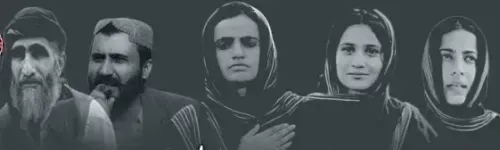
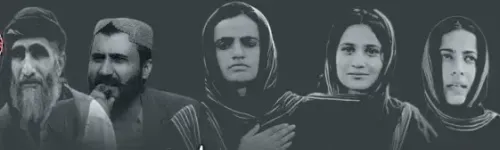
Amnesty International has called on Pakistani authorities to immediately release three individuals — Pashtun leader Zubair Shah Agha, Baloch activist Syed Bibi Baloch, and journalist Ahmad Farhad — while demanding an end to the systematic misuse of administrative detention laws to silence peaceful dissent. The appeal, issued on 15 July, underscores deepening international concern over Pakistan's use of preventive detention statutes against human rights defenders, journalists, and minority community activists.
Zubair Shah Agha's Detention
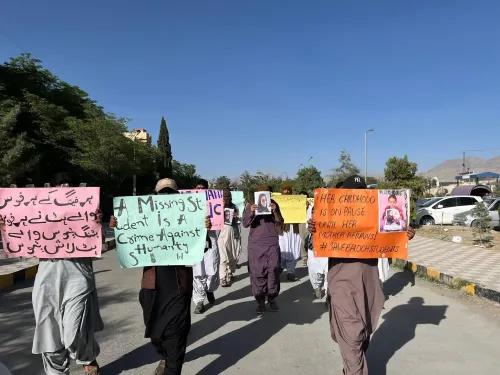
Zubair Shah Agha, a core committee member of the Pashtun Tahaffuz Movement (PTM), was detained on 28 June following his attendance at a press conference organised by the Baloch Yakjehti Committee (BYC) in Quetta. The event was held in response to the sentencing of Baloch human rights activist Mahrang Baloch.
He has since been held under Section 3 of Pakistan's Maintenance of Public Order Ordinance (MPO), a statute that permits 'preventative detention' based solely on the government's assessment of 'potential threats to public order' — a threshold critics argue is dangerously broad. According to Amnesty International, 'Zubair Agha's detention is the latest in a growing pattern of Pakistani authorities using administrative detention powers to arbitrarily deprive activists, journalists and human rights defenders of their liberty.'
Syed Bibi Baloch Arrested Without Legal Justification
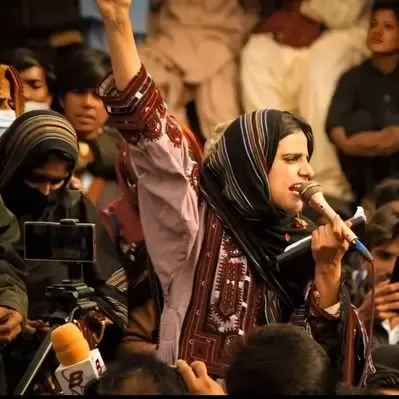
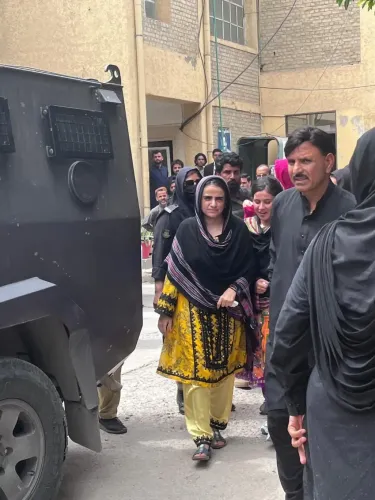
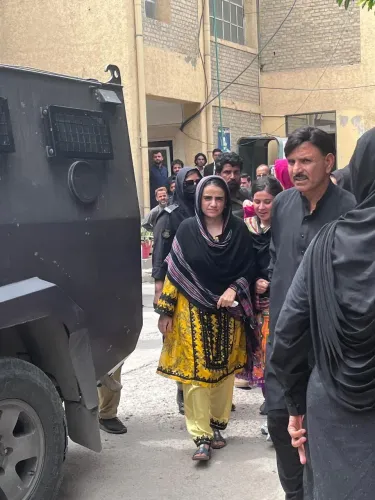
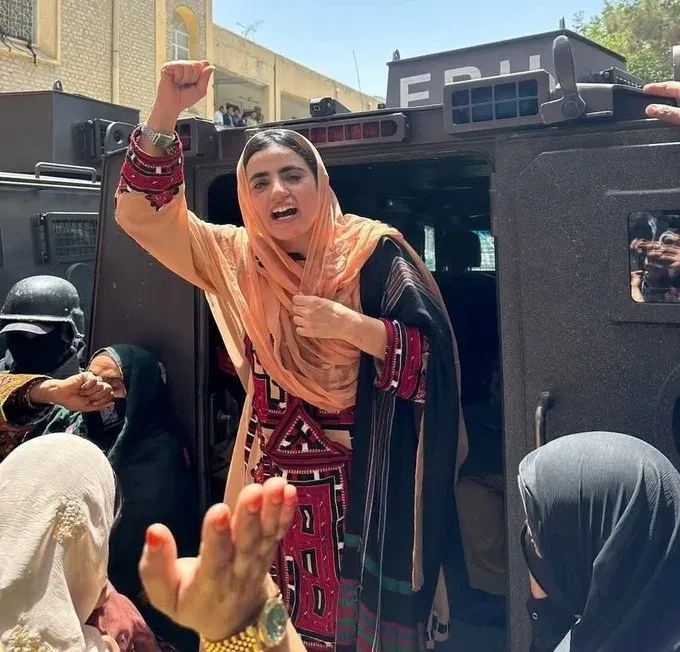
Syed Bibi Baloch, a Baloch female activist, was taken into administrative detention under the MPO on 1 July in the Turbat region of Balochistan, hours after a peaceful protest was announced over Mahrang's sentencing. According to the BYC, she was arrested by Pakistan's Counter Terrorism Department (CTD) from her residence in Kech district without any legal justification.
Notably, despite having her name placed on the Fourth Schedule of Pakistan's Anti-Terrorism Act, Bibi had reportedly been complying fully with CTD directives — reporting to the CTD office every week for the past several months. The Human Rights Council of Balochistan (HRCB) described her arrest as part of a 'sustained pattern of harassment and intimidation' targeting her over recent years. Several human rights organisations condemned the move, characterising it as part of an escalating crackdown amounting to 'Pakistani fascism.'
Journalist Ahmad Farhad Held in PoK
Journalist Ahmad Farhad was detained under the MPO on 20 June in Bagh city of Pakistan-occupied Kashmir (PoK), where he reportedly remains in custody. Ireland-based rights group Front Line Defenders last week called for his immediate release and the withdrawal of all charges, alleging he is being targeted for his independent reporting and human rights work in PoK.
Front Line Defenders said the crackdown in PoK is 'not an isolated incident but part of a broader pattern of violence against individuals who speak out against authorities.' It added that journalists like Farhad are 'especially vulnerable as they challenge state-sponsored misinformation and report independently from the ground.'
A Widening Crackdown on Dissent
The three cases together point to what rights groups describe as a coordinated escalation against peaceful activism across Balochistan, Khyber Pakhtunkhwa, and PoK. The MPO, originally a colonial-era instrument, has drawn repeated criticism for enabling detention without trial or transparent judicial oversight. This is not the first time international bodies have flagged Pakistan's use of preventive detention against minority rights defenders — similar concerns were raised during earlier crackdowns on PTM activists in 2019 and 2021.
With international scrutiny intensifying, the question of whether Islamabad will respond to Amnesty International's demands — or continue to invoke public order provisions against peaceful civic actors — will be closely watched by global human rights monitors in the weeks ahead.
Point of View
Not isolated administrative decisions. The MPO's 'potential threat' standard is so elastic it can be — and apparently is — applied to anyone inconvenient to the state. What makes this moment distinct is the geographic spread: Balochistan, Khyber Pakhtunkhwa, and PoK are all implicated simultaneously, suggesting a centralised crackdown rather than local overreach. International condemnation from Amnesty and Front Line Defenders carries reputational cost, but Pakistan has historically absorbed such criticism without policy change — the real pressure test will come from bilateral partners whose development financing is conditioned on human rights benchmarks.
NationPress
14 Oct 2026
Frequently Asked Questions
Who are the activists Pakistan has detained under the MPO?
The three individuals are Zubair Shah Agha, a core committee member of the Pashtun Tahaffuz Movement detained on 28 June in Quetta; Syed Bibi Baloch, a Baloch female activist arrested on 1 July from Kech district in Balochistan; and journalist Ahmad Farhad, held since 20 June in Bagh city in Pakistan-occupied Kashmir. All three are being held under Section 3 of Pakistan's Maintenance of Public Order Ordinance.
What is Pakistan's Maintenance of Public Order Ordinance?
The Maintenance of Public Order Ordinance (MPO) is a Pakistani law that permits 'preventative detention' based on the government's own assessment of 'potential threats to public order,' without requiring a formal criminal charge or trial. Critics, including Amnesty International, argue the law's broad threshold makes it a tool for silencing peaceful dissent.
Why was Syed Bibi Baloch arrested despite complying with CTD directives?
According to the Baloch Yakjehti Committee, Syed Bibi Baloch had been reporting to Pakistan's Counter Terrorism Department every week for several months in compliance with authorities' directives, even after her name was placed on the Fourth Schedule of the Anti-Terrorism Act. She was nonetheless arrested on 1 July from her residence without any stated legal justification, following the announcement of a peaceful protest.
What has Amnesty International demanded from Pakistan?
Amnesty International has urged Pakistan to immediately and unconditionally release all three individuals and to end the misuse of administrative detention laws against peaceful activists, journalists, and human rights defenders. It has called for the protection of rights to liberty, freedom of expression, and peaceful assembly.
Is this crackdown limited to Balochistan?
No. The cases span three distinct regions — Balochistan, Khyber Pakhtunkhwa, and Pakistan-occupied Kashmir — indicating a broader pattern rather than localised action. Rights groups including Front Line Defenders describe the PoK crackdown as part of a wider pattern of reprisals against those who challenge state authority or report independently.