Is Pakistan Using the Judiciary to Silence Activists? Detention of Mahrang Baloch Raises Alarms
Synopsis
A prominent human rights organization has raised alarms about the imprisonment of Mahrang Baloch and Imaan Mazari-Hazir in Pakistan. This situation is more than just a case of silencing individuals; it's indicative of a larger strategy to suppress marginalized voices. The ongoing judicial delays raise serious questions about the independence of the legal system in Pakistan.
Key Takeaways
Mahrang Baloch and Imaan Mazari-Hazir are prominent activists in Pakistan facing prolonged imprisonment.
Judicial delays in their cases raise serious concerns about judicial independence .
The situation reflects a larger trend of suppressing voices advocating for marginalized communities.
The Baloch Voice for Justice is actively raising awareness about these issues.
International criticism highlights the need for accountability and reform in Pakistan’s legal system.
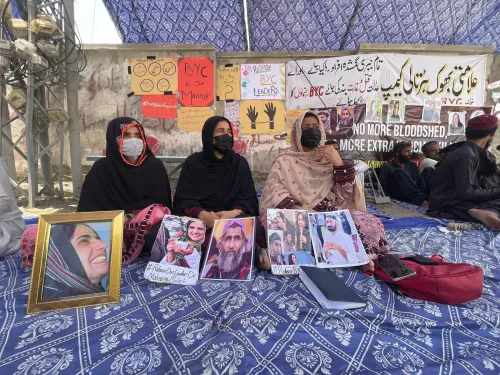
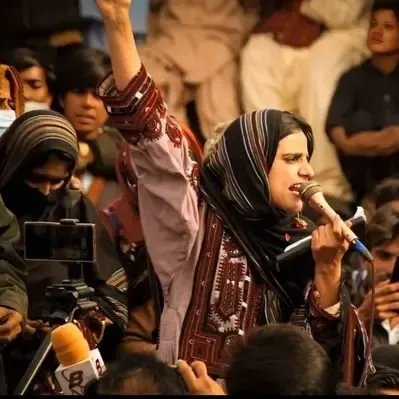
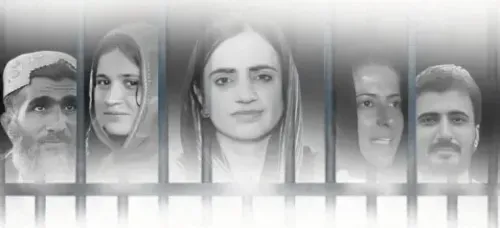
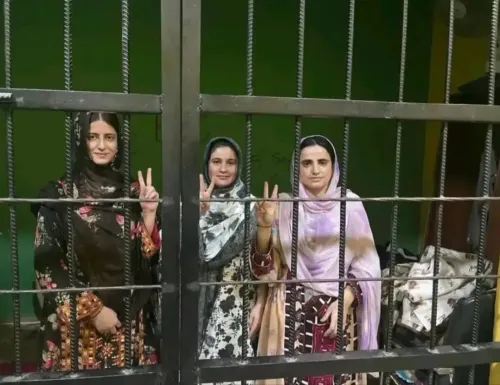
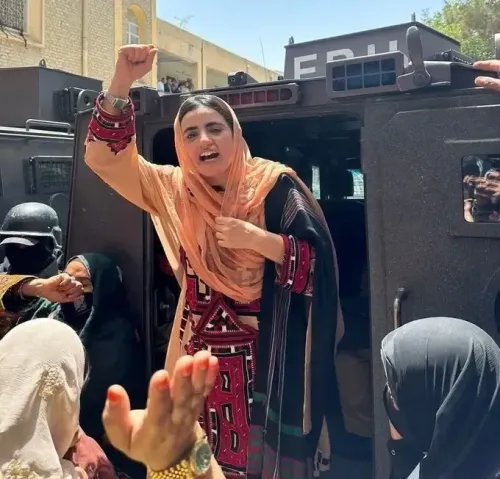
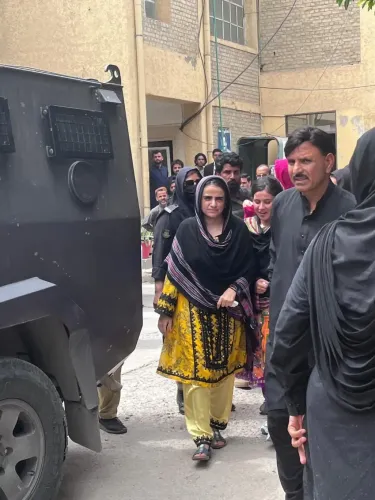
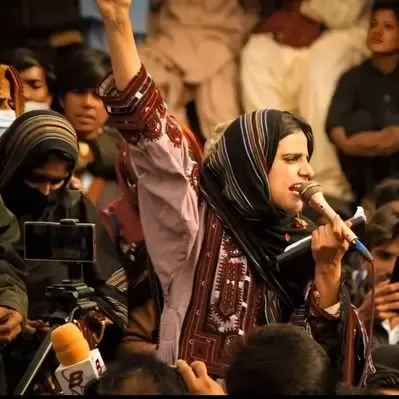
Quetta, Feb 16 (NationPress) A prominent human rights organization declared on Monday that the ongoing imprisonment of two significant women figures in Pakistan, including Baloch Yakjehti Committee (BYC) chief organiser Mahrang Baloch and human rights attorney Imaan Mazari-Hazir, is not simply an effort to silence these individuals. Instead, it signifies a much larger initiative by the Pakistani government to stifle the voices of the marginalized communities they advocate for.
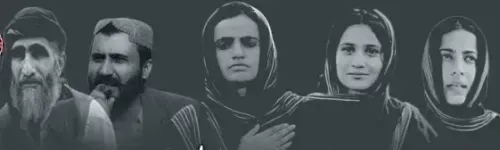
Expressing serious apprehension, the Baloch Voice for Justice (BVJ) stated, “It has been almost a year since the arrest of Mahrang Baloch and other leaders from the Baloch Yakjehti Committee; however, their cases are being intentionally prolonged. The judges of the High Court have reserved their decisions regarding the bail applications, yet no ruling has been issued up to now.”
“Such unwarranted delays infringe upon Article 10-A of the Constitution of Pakistan, which guarantees the essential right to a fair and timely trial. Justice delayed is justice denied,” it emphasized.
Last week, the BYC sounded the alarm regarding the independence of the legal process and the judicial delays encountered by a Pakistani court in reserved bail matters involving its chief organiser, Mahrang Baloch and other leaders.
The rights group noted that the High Court of Balochistan heard the bail requests of Mahrang Baloch and other BYC leaders on December 17, 2025. The defense completed its arguments, while the prosecution did not provide any substantial evidence to validate ongoing detention.
The court reserved its judgement, yet after almost three months, no decision has been communicated. The BYC mentioned that typically, rulings in reserved bail cases in Pakistan are rendered within days or weeks.
“This delay is not merely a procedural issue. It impacts fundamental rights, personal freedom, and public faith in the judiciary. The prolonged detention of peaceful political activists without evidence and timely judicial resolutions enhances the belief that legal systems are being manipulated to suppress dissent,” the BYC asserted.
Furthermore, the BVJ pointed out that the Islamabad High Court has not been scheduling hearings for the cases of Pakistani human rights attorneys Imaan Zainab Mazari-Hazir and her husband, Hadi Ali Chatta. The BVJ underscored the interference by Pakistani intelligence agencies in judicial matters, stressing that such actions undermine judicial independence, the principle of separation of powers, and the supremacy of the Constitution.
“This issue transcends two individuals; it is a crucial test of the rule of law, judicial independence, and fundamental civil liberties in Pakistan,” the BVJ added.
Last month, a Pakistani court reportedly sentenced Imaan and her husband, Hadi, to a combined 17 years in prison and imposed fines of 36 million Pakistani rupees each on multiple charges linked to social media posts.
The arrests and convictions of Pakistani human rights lawyers by the authorities have sparked widespread condemnation globally.
Point of View
It is essential to continuously support the ideals of justice and human rights. The current situation involving Mahrang Baloch and Imaan Mazari-Hazir emphasizes the need to uphold the rule of law and safeguard the rights of all citizens in Pakistan. We must remain vigilant against any actions that compromise judicial independence.
NationPress
19 Sept 2026
Frequently Asked Questions
What is the current status of Mahrang Baloch's case?
Mahrang Baloch's case remains unresolved, with the High Court having reserved its judgement for nearly three months without a decision.
Why are Mahrang Baloch and Imaan Mazari-Hazir significant?
Both are prominent activists advocating for the rights of marginalized communities in Pakistan, making their cases emblematic of broader human rights issues.
How does this situation reflect on Pakistan's judiciary?
The prolonged detention and judicial delays raise concerns about the independence of the judiciary and its role in protecting civil liberties.
What are the implications of the BVJ's statements?
The BVJ's statements highlight the potential misuse of legal systems to silence dissent and the urgent need for judicial reform.
How has the international community reacted?
There has been widespread global criticism regarding the arrests and convictions of Pakistani human rights lawyers, emphasizing the need for accountability.