Punjab govt staff in Pakistan demand 50% pay hike as inflation bites
Synopsis
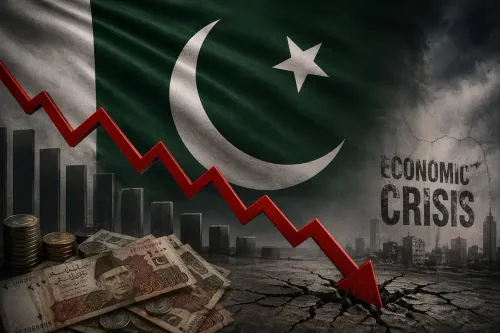
Pakistan's Punjab government staff are in open revolt over eroding pay, missing allowances, and pension cuts. With petrol at PKR 414 a litre and inflation crushing real wages, AGEGA is demanding a 50% salary hike and a rollback of pension reforms — setting up a politically charged showdown ahead of Shehbaz Sharif's 2026-27 Budget.
Key Takeaways
AGEGA Punjab says government employees have not received the 30% disparity allowance from the Federal Budget 2025-26 .
The alliance is demanding a 50% hike in salaries and pensions and a fivefold rise in house rent, medical, and conveyance allowances.
Punjab's amended leave encashment rules have cut post-retirement benefits, the alliance alleged.
Petrol was hiked by PKR 14.92 to PKR 414.78 per litre; HSD rose PKR 15 to PKR 414.58 per litre in May.
The HRC of Pakistan called the fuel hike a “direct assault” on poor and middle-class families.
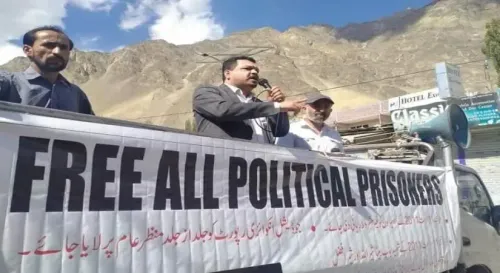
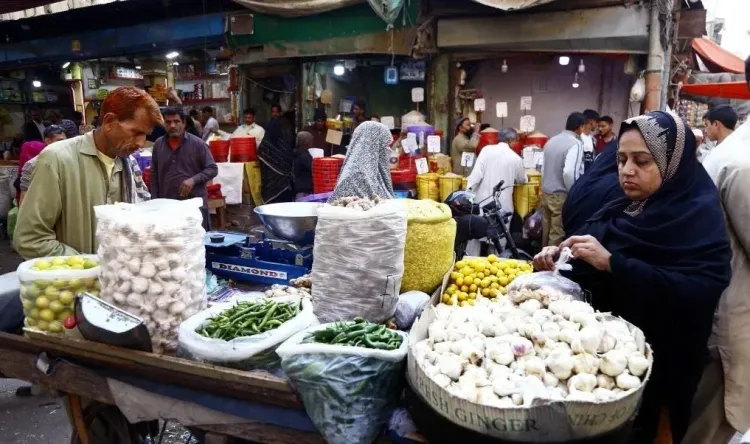
Government employees in Pakistan's Punjab are pushing back against shrinking household budgets, with the All Government Employees Grand Alliance (AGEGA) warning that runaway inflation has gutted their purchasing power and left families struggling to meet daily expenses, according to local media reports on Wednesday.
Key demands on the table
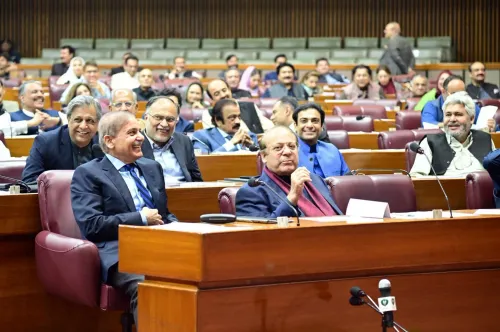
In a joint statement, AGEGA leaders said provincial employees — particularly in Punjab — are yet to receive the 30 per cent disparity allowance announced in the Federal Budget 2025-26, Pakistan's daily The Express Tribune reported. The alliance has urged Prime Minister Shehbaz Sharif to roll out fresh relief measures in the upcoming Federal Budget 2026-27.
Their charter of demands includes extending the 30 per cent disparity allowance to employees across all provinces, an additional 15 per cent increase, a rollback of recent pension reforms, and merging all ad hoc relief allowances into the basic pay scale.
Pension, gratuity cuts under fire
The alliance alleged that both serving and retired Punjab government staff are facing reductions in pension, gratuity, and leave encashment benefits. Recent amendments to leave encashment rules in Punjab, they said, have stripped employees of substantial post-retirement payouts.
AGEGA has also pressed for a comprehensive pay-structure revision, a minimum 50 per cent hike in salaries and pensions in line with current inflation, and a fivefold rise in house rent, medical, and conveyance allowances.
Fuel shock compounds the squeeze
The employee unrest comes against the backdrop of relentless fuel price hikes. In May, the Pakistani government raised petrol prices by PKR 14.92 per litre and high-speed diesel (HSD) by PKR 15 per litre, taking petrol to PKR 414.78 and HSD to PKR 414.58 per litre, according to the Petroleum Division.
The Human Rights Council (HRC) of Pakistan condemned the move as a “direct assault” on ordinary citizens. “When fuel becomes expensive, it's not just vehicles that come to a halt; the prices of flour, lentils, vegetables, milk, medicines, and other essentials also start touching the skies,” the body said in a statement.
Who is worst hit
The HRC flagged that rickshaw drivers, daily-wage labourers, transport workers, students, and the white-collar class are bearing the steepest costs. “The poor man is now not only under economic pressure but also grappling with severe mental stress, helplessness, and fear of the future,” it added, calling on authorities to reverse the fuel hike and trim privileges enjoyed by the elite.
What's next
With the Federal Budget 2026-27 now the focal point, the Sharif government faces mounting pressure to balance IMF-driven fiscal tightening against a restive public-sector workforce. A failure to address the pay-and-pension gap could escalate into broader industrial action in the months ahead.
Point of View
Historically a regime stabiliser, is now the loudest dissenting voice. Cutting pensions while raising fuel prices is a politically toxic combination that no government in the region has survived for long. The 2026-27 Budget will reveal whether Islamabad can find headroom for relief, or whether austerity will keep eating its own base.
NationPress
19 Sept 2026
Frequently Asked Questions
What is the All Government Employees Grand Alliance (AGEGA) demanding?
AGEGA Punjab is demanding a minimum 50% hike in salaries and pensions, a fivefold increase in house rent, medical and conveyance allowances, and the extension of the 30% disparity allowance from the 2025-26 Federal Budget to all provinces. It has also called for a rollback of recent pension reforms and the merger of ad hoc relief allowances into the basic pay scale.
Why are Punjab government employees protesting now?
They say soaring inflation has eroded their purchasing power and that the 30% disparity allowance announced in the Federal Budget 2025-26 has not yet reached them. Amendments to Punjab's leave encashment rules have also cut their post-retirement benefits.
How much did petrol and diesel prices rise in Pakistan?
The Pakistani government raised petrol by PKR 14.92 per litre to PKR 414.78 and high-speed diesel by PKR 15 per litre to PKR 414.58, according to the Petroleum Division. The revised rates took effect in May.
What has the Human Rights Council of Pakistan said about the fuel hike?
The HRC of Pakistan called the fuel price hike a “direct assault” on poor, working-class, and middle-class families. It urged authorities to reverse the increase and curb privileges enjoyed by the elite.
When will the Pakistani government respond to these demands?
AGEGA has asked Prime Minister Shehbaz Sharif to announce measures in the upcoming Federal Budget 2026-27. No formal government response has been reported so far.