Is Pakistan's Strategy Shifting with Jihadi Clerics Amid TTP and BLA Pressures?
Synopsis
Amid rising tensions with the TTP and BLA, Pakistan's government is enlisting jihadi clerics in a controversial narrative strategy to regain public support. This approach raises questions about the implications of legitimizing jihadist elements within the government.
Key Takeaways
Pakistan's government is facing internal challenges from TTP and BLA.
Formation of a high-powered committee aims to restore public faith.
Inclusion of jihadi clerics raises concerns about legitimizing jihad .
The narrative strategy seeks to direct public sentiment against India .
Critics argue that the approach distracts from resolving core security issues.
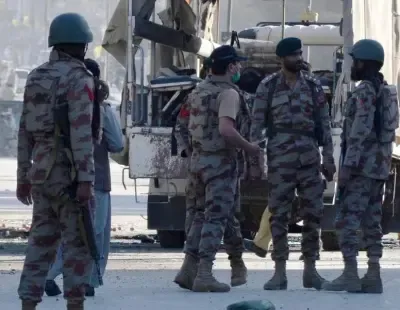
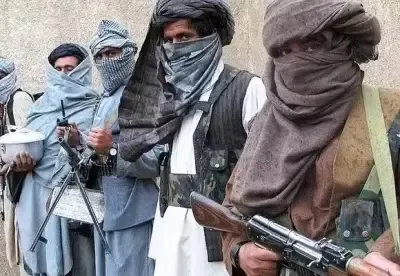
New Delhi, Jan 19 (NationPress) The border challenges confronting Pakistan from the Afghan Taliban, alongside the ongoing conflict with the Tehreek-e-Taliban Pakistan (TTP) and the Balochistan Nationalist Army (BLA), have inflicted significant damage on the nation.
This has raised serious questions regarding the government's actions and the necessity to combat its own citizens.
Consequently, there has been a notable decline in the popularity of the Shehbaz Sharif administration, leading to the formation of a high-powered committee.
This committee's purpose is to rehabilitate the government's image and make efforts to regain public trust.
Indian intelligence agencies express confusion over the committee's composition, which includes political figures, radical clerics, and officials from the army and ISI.
Particularly concerning for Indian agencies are the clerics who have established ties with leaders from Jaish-e-Mohammad and Lashkar-e-Tayyiba.
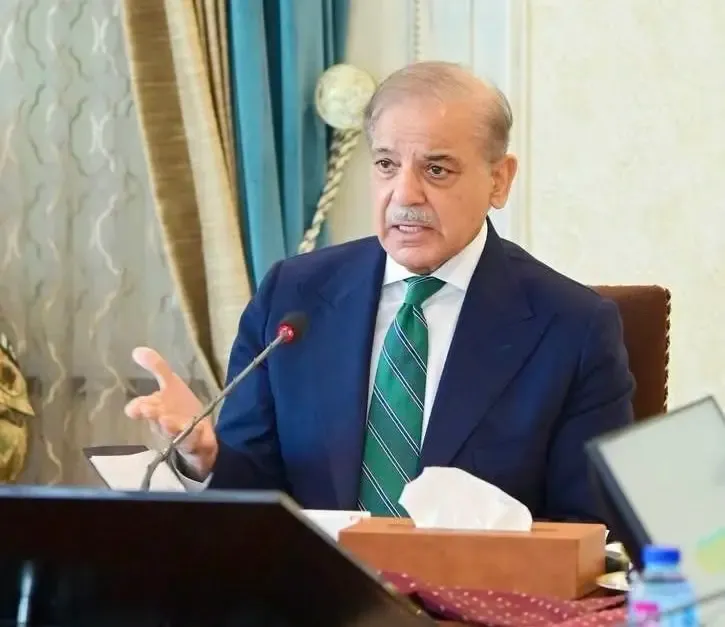
All participants were present at a recent meeting convened by Sharif at the Prime Minister’s Office (PMO).
Sharif and other officials have requested the clerics' involvement in the committee to launch a narrative campaign, aiming to connect with a broad audience across Pakistan.
Through the clerics, they intend to provide a religious rationale for the necessity of fighting against the TTP, BLA, and Afghan Taliban.
Currently, public sentiment is discontented with the army engaging against its own populace. Even the confrontation with the Afghan Taliban has not been well received, according to officials.
Officials have noted that the appointment of Hafiz Tahir Mahmood Ashrafi, Chairman of the National Paigham-i-Aman Committee (NPAC), is particularly surprising.
The NPAC has longstanding connections with jihadist factions within Pakistan and beyond. Another official remarked that such appointments effectively legitimize jihad. What else could justify these individuals participating in a committee aimed at endorsing warfare?
An Intelligence Bureau official disclosed that both the army and government are adopting a joint strategy to engage in the narrative conflict.
While it’s common for governments to do this, integrating jihadist figures blatantly indicates that Pakistan is now openly supporting terror sympathizers.
Providing them a platform in the PMO only reinforces this assertion, the official added.
During the latest meeting, it was resolved that these clerics would embark on a nationwide tour to rationalize why the Pakistan army is fighting against the TTP and Afghan Taliban.
They are expected to incite public sentiment against India, arguing that the Afghan Taliban and TTP are engaged in conflict with Pakistan at New Delhi's behest.
India’s diplomatic engagement in Afghanistan has reportedly contributed to the deterioration of relations, necessitating a confrontation with anti-Pakistan factions, as highlighted in the outreach program.
In recent years, the Sharif government has faced criticism for its management of domestic security issues. This outreach initiative aims to convince the populace that the violence occurring both domestically and at the borders is orchestrated and financed by India.
Officials assert that instead of addressing the root problems, the Sharif administration is attempting to shift the narrative and foster a significant anti-India sentiment in Pakistan.
This approach will not resolve the core issues, they contend.
Additionally, this initiative will also encompass Operation Sindoor. In this operation, the Indian armed forces embarrassed Pakistan, highlighting vulnerabilities. Clerics involved in the delegation will also attempt to persuade the public that India incurred greater losses during the operation.
Point of View
It is crucial to present an unbiased perspective on the evolving political landscape in Pakistan. The government's attempt to incorporate jihadi clerics into its strategy raises significant concerns regarding the legitimacy of such actions and their impact on domestic and international perceptions. It is essential to inform the public while maintaining a focus on the broader implications for regional stability and security.
NationPress
22 Sept 2026
Frequently Asked Questions
What is the role of jihadi clerics in Pakistan's current strategy?
The Pakistani government is involving jihadi clerics in its narrative strategy to gain public support against the TTP and BLA, aiming to legitimize its military actions.
How has this strategy affected public opinion?
This approach has led to a significant decline in government popularity, as many citizens are unhappy with the military's actions against its own people.
What is Operation Sindoor?
Operation Sindoor is a military operation by Indian forces that exposed Pakistan's vulnerabilities and led to embarrassment for the country.
Why is the Pakistani government targeting India in its narrative?
The government aims to shift public focus towards India, claiming that violence within Pakistan is orchestrated and funded by Indian entities.
What are the potential consequences of this narrative shift?
The narrative shift may exacerbate anti-India sentiments and distract from addressing the root causes of internal conflicts.