Pakistan’s Economy Crumbles Under Middle East Crisis and Afghan Conflict
Synopsis
Pakistan’s economic collapse deepens as the Middle East crisis and ongoing Afghan conflict exacerbate existing challenges. Austerity measures are in place, but experts warn that these efforts may be in vain if conditions persist.
Key Takeaways
Pakistan's economy is severely affected by the ongoing Middle East crisis and internal conflicts.
Austerity measures are being implemented to mitigate economic decline.
There is a significant impact on transportation and agricultural sectors due to rising oil prices.
The prolonged Afghan conflict continues to exacerbate Pakistan's economic troubles.
Experts warn that without resolution, the situation may worsen.
New Delhi, March 16 (NationPress) The economic landscape of Pakistan is in dire straits due to the ongoing turmoil in the Middle East, primarily fueled by the conflict between Iran and Israel-United States. As Islamabad grapples with the dilemma of whether to engage in the war due to its alliance with Saudi Arabia, the economic situation has deteriorated significantly. The crisis in the Middle East coincides with an already struggling economy in Pakistan.
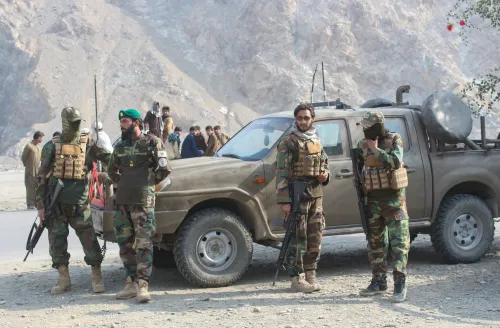
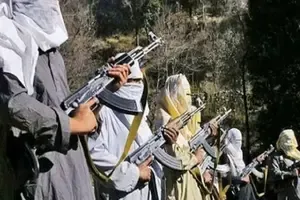
Compounding these challenges is the ongoing conflict with Afghanistan and persistent confrontations with the Tehreek-e-Taliban Pakistan (TTP) and the Balochistan Liberation Army (BLA). Officials indicate that these conflicts are severely impacting Pakistan not only militarily but also economically.
The precarious economic status of Pakistan necessitates urgent protective measures. Consequently, Islamabad has unveiled a series of austerity initiatives aimed at safeguarding its dwindling economy.
As part of these measures, the government has mandated a 60 percent reduction in the operation of official vehicles within federal and provincial agencies. Grade-20 officials earning over Rs 300,000 are being asked to voluntarily forgo two days' salary, though this does not apply to those in the health and education sectors.
Additionally, legislators at both provincial and federal levels will experience a 25 percent cut in their salaries and allowances for a two-month duration. A significant action taken by the government includes slashing the fuel allocation for official vehicles by 50 percent.
Furthermore, cabinet ministers, state ministers, special assistants to the Prime Minister, and advisers will forfeit their entire salary for two months. Non-essential spending by both federal and provincial departments will be curtailed by 20 percent, and officials will no longer be permitted to travel business class.
All officials must now fly economy class for international travel, and only necessary foreign trips can be undertaken by ministers, parliamentarians, and officials. A total ban on acquiring new durable goods for government use has been implemented, with a limited exception for IT purchases subject to thorough scrutiny. All departmental meetings will be conducted virtually.
This strategy aims to minimize both travel and accommodation expenditures. The existing prohibition on purchasing new government vehicles will remain in effect until June 2026. Except for the banking sector and essential services, all government offices will operate a four-day workweek.
Government-organized seminars, training sessions, and conferences will require prior review and approval before proceeding.
While the Pakistani government has suggested similar guidelines for the private sector, adherence is not obligatory. Observers believe that the nation is heavily indebted, and if the Middle East crisis continues, the cost-cutting measures will likely be ineffective.
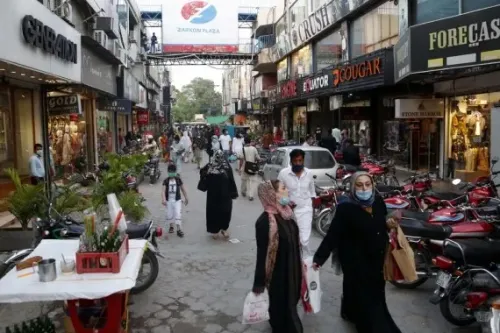
Experts warn that a prolonged crisis could not only damage Pakistan's economy further but might lead to its collapse. Traditionally, there is a spike in business activity during Eid, yet disruptions have stifled retail engagement, with consumers prioritizing essential purchases over luxury spending typically seen during this period. Many are questioning the rationale behind the 20 percent increase in oil prices on March 6, a move intended to prevent hoarding that has backfired, adversely affecting the populace.
This price hike has particularly hurt the agricultural sector, which constitutes 23 percent of the economy. Residents are struggling with transportation costs as rising oil prices make taxi and rickshaw rides prohibitively expensive, significantly impacting food delivery workers.
These workers report losing their income and relying on charity for survival, as their earnings have been decimated. Additionally, the Pakistan Stock Exchange has experienced unprecedented volatility, registering a one-day drop of 16,089 points.
Officials assert that it is not solely the global crisis that threatens Pakistan’s stability; the ongoing conflicts with the BLA and TTP and the war in Afghanistan exacerbate the economic troubles. Over the last two decades, Pakistan has incurred a staggering loss of $152 billion due to various conflicts, including the war on terror in Afghanistan.
Experts caution that if the situation in Afghanistan remains unresolved, conditions may worsen for Pakistan.
Point of View
Characterized by severe challenges stemming from both regional conflicts and internal strife. As a national editor-in-chief, it is crucial to emphasize the urgent need for comprehensive strategies to address these issues while prioritizing the welfare of the citizens.
NationPress
30 Sept 2026
Frequently Asked Questions
What is causing the economic crisis in Pakistan?
The economic crisis in Pakistan is primarily driven by the ongoing conflict in the Middle East, particularly the Iran-Israel conflict, compounded by internal conflicts with the TTP and BLA.
What austerity measures has the Pakistani government implemented?
The government has introduced several austerity measures, including reducing the operation of official vehicles, salary cuts for officials, and a ban on new durable goods purchases.
How has the conflict in Afghanistan impacted Pakistan's economy?
The prolonged conflict in Afghanistan has resulted in significant financial losses for Pakistan, contributing to its economic instability and increasing the burden on its already strained resources.
What are the implications of rising oil prices in Pakistan?
The increase in oil prices has severely affected the agricultural sector and transportation costs, making it difficult for residents to afford essential commuting and impacting food delivery services.
Is the current economic situation expected to improve?
Experts caution that without resolution of the ongoing conflicts, particularly in the Middle East and Afghanistan, the economic situation in Pakistan is unlikely to improve.