Pakistan's ISI Aims to Sabotage Chinese Investments in Afghanistan
Synopsis
With its grip on Afghanistan slipping, Pakistan's ISI is intensifying efforts to sabotage Chinese investments. As India and Afghanistan bolster their ties, Islamabad feels threatened and is taking drastic measures to undermine Beijing's interests. Discover how this geopolitical tension unfolds.
Key Takeaways
ISI's Disruption Efforts: Pakistan's intelligence agency is actively working against Chinese investments.
India-Afghanistan Relations: Strengthening ties threaten Pakistan's influence.
Wakhan Corridor's Importance: A critical area for trade between China and Afghanistan.
Taliban's Independence: The Taliban is pursuing its own foreign policy, reducing Islamabad's control.
ISKP's Involvement: The Islamic State Khorasan Province is being utilized to execute disruptive strategies.
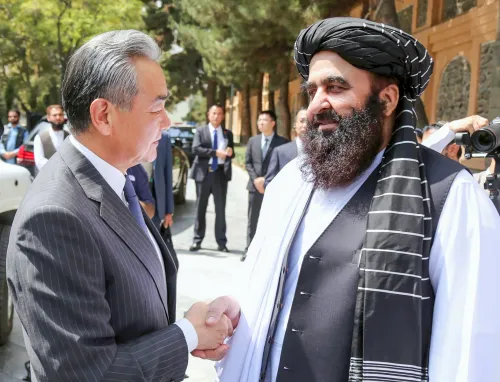
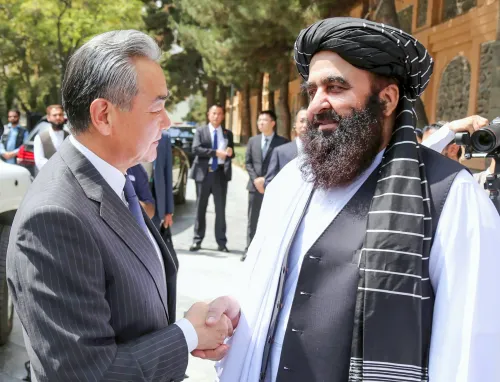
New Delhi, March 9 (NationPress) The Inter-Services Intelligence (ISI) of Pakistan is actively working to undermine Chinese investments in Afghanistan as Islamabad perceives a dwindling grip on the situation. Recently, Afghanistan and India have strengthened their diplomatic relations, highlighted by a visit from Afghanistan's foreign minister to New Delhi.
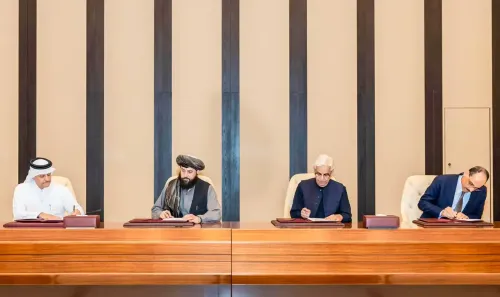
This development has left Pakistan feeling uneasy, as it believed it had the Afghan Taliban under its influence. India and Afghanistan have reached agreements on multiple fronts, including trade and security cooperation. The Taliban is no longer a pawn of Pakistan, as it has opted for an independent approach regarding its foreign policy.
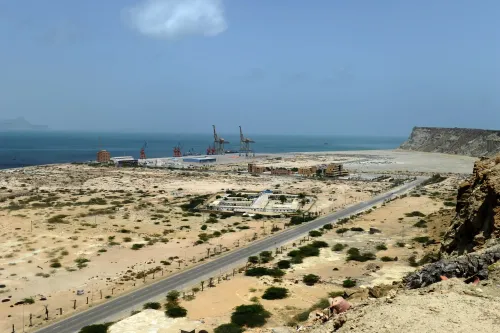
Amidst its conflict with the Taliban, Pakistan is also increasingly irritated by the growing Chinese investment interest in Afghanistan. The situation worsened when China insisted that Kabul be included in the China-Pakistan Economic Corridor Project 2.0 (CPEC). Pakistani officials express dissatisfaction with this decision, feeling they had no leverage due to their economic struggles.
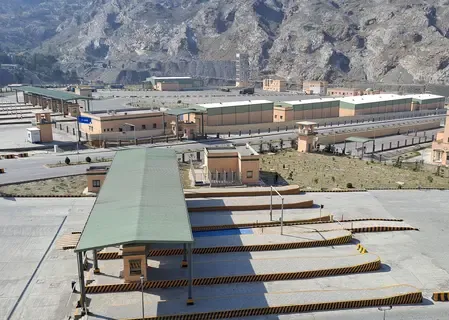
The ISI has established specialized units to keep tabs on the Wakhan Corridor, a crucial area in northeastern Afghanistan that holds immense significance for Chinese trade routes. This corridor borders China to the east, Pakistan to the south, and Tajikistan to the north.
China has been eyeing this corridor for potential connectivity enhancements, which could facilitate trade between China and Afghanistan. Analysts note that the opening of this route would allow for increased commercial activities between the two nations.
Observers of Pakistani affairs indicate that Pakistan is rapidly losing its influence over Afghanistan. Diplomatic relations have deteriorated, leading to an active conflict. Pakistan has incessantly propagated the false narrative that India is supporting the Taliban, while also blaming India for fueling the Tehreek-e-Taliban Pakistan (TTP) and the Balochistan Liberation Army (BLA).
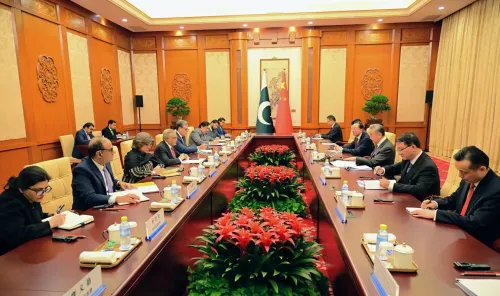
While Pakistan has long claimed that China is its steadfast ally, this view is shifting as Beijing's trust in Islamabad diminishes. In a surprising turn, Pakistan has engaged with the United States and signed a minerals agreement, a move that has drawn skepticism from China, which has questioned Pakistan's motives.
Beijing has criticized Islamabad for its failure to protect Chinese investments. The CPEC initiative has faced backlash, particularly from Balochistan residents who feel their resources are being exploited without any local benefits. Insurgent groups in Balochistan have repeatedly targeted Chinese investments and nationals, inciting anger within Beijing.
Another source indicates that China is beginning to doubt Pakistan's reliability, prompting a shift towards Afghanistan. The Taliban has expressed openness to investments that would benefit the nation while firmly rejecting any foreign policy interference.
China's growing engagement with Afghanistan has led the ISI to form covert teams aimed at undermining Beijing’s interests. The primary target remains the Wakhan Corridor, with the ISI plotting significant operations to disrupt any Chinese advancements in the area. Any substantial move by China in Afghanistan would be perceived as a setback for Islamabad, further diminishing its influence.
Chinese authorities are considering various projects in the Wakhan Corridor, and if successful, Pakistan could lose its status as the primary trade conduit in the region.
Pakistan, which has been aligning itself with the Islamic State Khorasan Province (ISKP), plans to leverage this group's militants to attack the Wakhan Corridor. The ISKP, which has been supporting Pakistan against the BLA and TTP, may comply with the ISI’s directives to disrupt Afghanistan, as its primary objective remains control over the region.
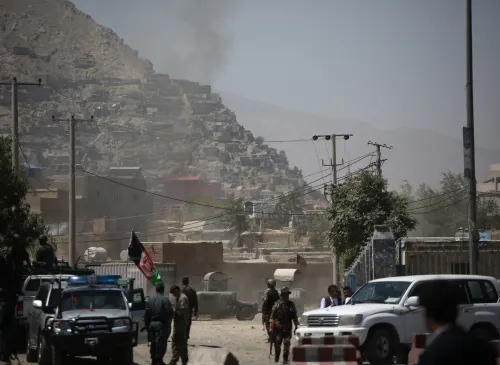
Experts assert that the ISI aims to target Chinese interests and personnel linked to the Wakhan Corridor projects. This strategy is designed to instigate fear and insecurity, consequently deterring Chinese investments in the region.
Point of View
China, and Afghanistan presents a complex geopolitical challenge. The ISI's attempts to disrupt investments highlight the shifting dynamics in the region, where alliances are tested and new strategies emerge. A nation-first approach is essential to navigate these turbulent waters.
NationPress
26 Oct 2026
Frequently Asked Questions
What is the main objective of Pakistan's ISI regarding Afghanistan?
The ISI aims to disrupt Chinese investments in Afghanistan as it feels its influence over the country is waning.
How has India's relationship with Afghanistan changed recently?
India and Afghanistan have strengthened their ties, with diplomatic engagements signaling a collaborative approach on trade and security.
What is the significance of the Wakhan Corridor?
The Wakhan Corridor is crucial for trade and connectivity, sharing borders with China, Pakistan, and Tajikistan, and is a focal point for Chinese investments.
How is the Taliban's foreign policy stance affecting Pakistan?
The Taliban's independent foreign policy undermines Pakistan's control and complicates its strategic interests in the region.
What role does the ISKP play in the current situation?
The ISKP is being leveraged by Pakistan to conduct operations against the Taliban and disrupt Chinese interests in Afghanistan.