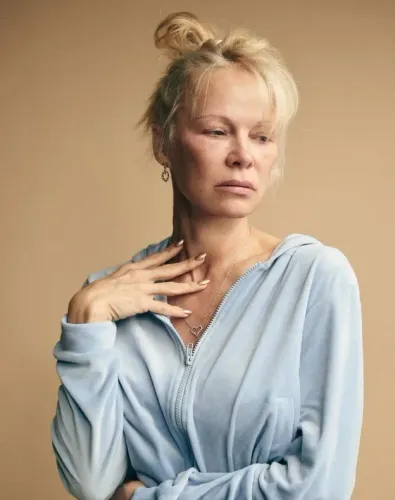
Pamela Anderson on wealth and fame: 'There's this kind of emptiness'
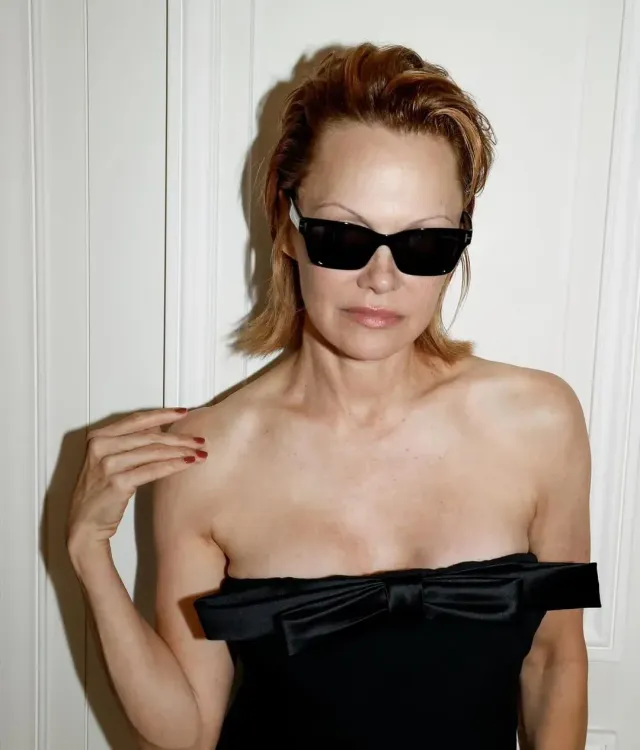
Synopsis
Pamela Anderson isn't just promoting a new film — she's dismantling the mythology she was built on. From rejecting the 'emptiness' of fame-driven wealth to going makeup-free on red carpets, the Baywatch icon is using Alma to signal that her career revival is also a personal reckoning.
Key Takeaways
Pamela Anderson stars in new film Alma , playing a callous mother in a story exploring sex and abuse.
Anderson warned that wealth 'for no good reason' creates 'a kind of emptiness,' reflecting on the psychological toll of celebrity.
She said Alma 'is not going to be for everybody' and acknowledged it would provoke strong reactions.
Anderson reiterated her long-held discomfort with her Baywatch -era sex symbol status, calling the global attention a 'slippery slope.' The actor has embraced a makeup-free public image in recent years, describing it as a deliberate choice to 'be more natural.'
Hollywood actor Pamela Anderson has opened up about the psychological cost of fame and fortune, warning that unchecked wealth and global celebrity can leave a person hollow. The remarks come as Anderson prepares for the release of her new film Alma, in which she plays a callous mother navigating themes of sex and abuse.
The Emptiness Behind the Spotlight
Anderson, who rose to global recognition playing lifeguard 'C.J.' Parker in the iconic 1990s series Baywatch, reflected candidly on the darker side of superstardom. 'I do believe there's this kind of emptiness that comes from wealth for no good reason,' she said, in remarks that cut against the aspirational gloss typically associated with Hollywood success.
The comment arrives at a moment when Anderson is widely regarded as having engineered one of the more remarkable career revivals in recent entertainment history, following her acclaimed performance in The Last Showgirl.
On Alma and Its Difficult Themes
Alma, which Anderson describes as a passion project, does not court easy audiences. The film tackles sex and abuse head-on, and Anderson has been candid that it will be divisive. 'It's not going to be for everybody. People are going to have feelings about it. It's not an easy ride. But that's what the movie's for,' she told People.
The willingness to take on morally complex roles reflects a deliberate pivot in how Anderson is shaping this chapter of her career — one defined less by image and more by artistic risk.
Rejecting the Sex Symbol Label
Anderson also revisited her long-standing discomfort with being cast as a sex symbol, a status that Baywatch cemented globally in the 1990s. Speaking on the How To Fail With Elizabeth Day podcast, she said: 'I don't like being a sex symbol. I mean, I think it's not very sexy. I think we all aspire to be sexy in our relationships, but sexy for the world is, I don't know.'
She elaborated that the attention it generated was unwelcome, even if she was reluctant to frame it as complaint. 'It brought a lot of attention I didn't like, but I hate to say that because I'm not complaining, but I do feel that is a slippery slope where you are presenting yourself to the world like this and you get this attention back that,' she added.
Going Makeup-Free and Embracing Authenticity
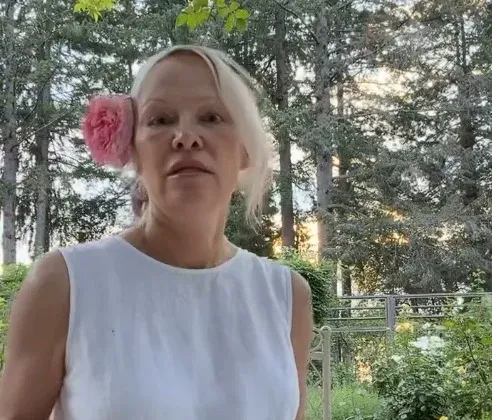
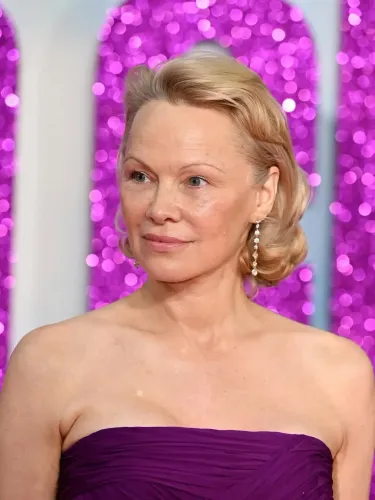
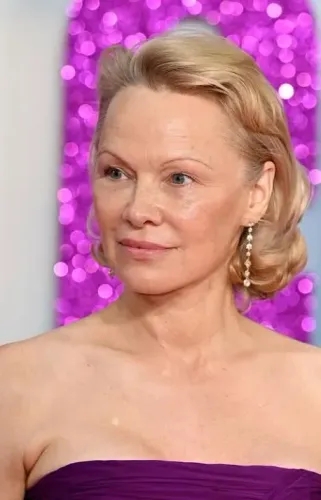
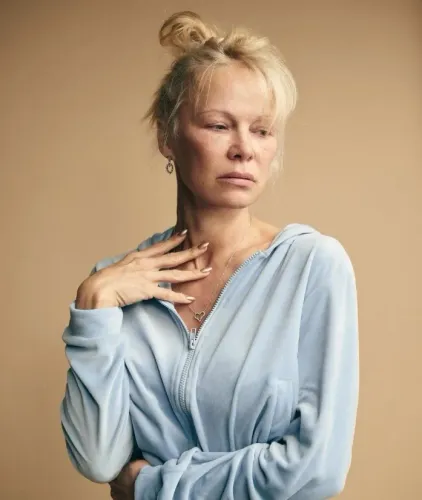
In recent years, Anderson has attracted significant attention for appearing makeup-free on red carpets — a choice she frames as personal and philosophical rather than performative. 'It can be even scary at times, me not wearing makeup and me being at this age, coming into this part of my career,' she said. 'I felt it was important for me in my personal life, to be more natural.'
She pushed back against reductive definitions of femininity, adding: 'I want to challenge myself and become and to be present myself in different ways because women are many things. We're not just the wild animal between the sheets.'
As Alma moves toward release, Anderson appears firmly committed to a version of herself — and her work — that resists easy categorisation.
Point of View
But what she is describing is something more structural: the way celebrity machinery extracts a performance of self that the performer never fully consented to. The makeup-free red carpet choices and the pivot to morally complex roles are coherent acts of reclamation. What mainstream coverage tends to miss is that Anderson is not simply reinventing herself — she is critiquing the system that invented her in the first place.
NationPress
23 Oct 2026
Frequently Asked Questions
What is Pamela Anderson's new film Alma about?
Alma is a film in which Pamela Anderson plays a callous mother, exploring themes of sex and abuse. Anderson has described it as a passion project that 'is not going to be for everybody.'
What did Pamela Anderson say about wealth and fame?
Anderson said she believes 'there's this kind of emptiness that comes from wealth for no good reason,' warning of the psychological hollowness that can accompany unchecked celebrity and financial success.
Why does Pamela Anderson dislike being called a sex symbol?
Anderson said the sex symbol status she gained through Baywatch in the 1990s brought attention she did not enjoy. Speaking on the How To Fail With Elizabeth Day podcast, she described it as a 'slippery slope' that generated unwanted scrutiny.
Why has Pamela Anderson stopped wearing makeup on red carpets?
Anderson said going makeup-free was a personal decision tied to her desire to 'be more natural' at this stage of her life and career. She described it as an effort to challenge herself and present as more than a one-dimensional image.
What is Pamela Anderson's career status in 2025?
Anderson is widely considered to be in the midst of a significant career revival, following critically noted recent performances. Alma represents her continued push into challenging, character-driven roles.