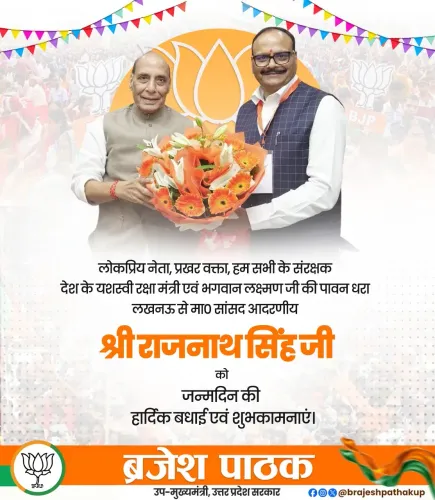
Hindi in prescriptions: UP Deputy CM Brajesh Pathak urges doctors to use mother tongue
Synopsis
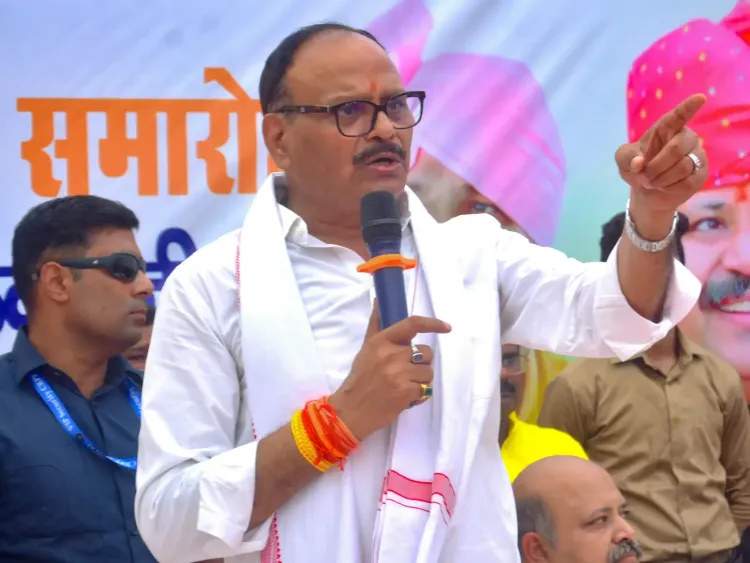
UP Deputy CM Brajesh Pathak has called on doctors to write prescriptions in Hindi or Devanagari and consult patients in Bhojpuri, Awadhi, or other mother tongues — framing language not as a cultural statement but as a patient safety and trust issue. No regulatory mandate was announced, leaving the appeal voluntary for now.
Key Takeaways
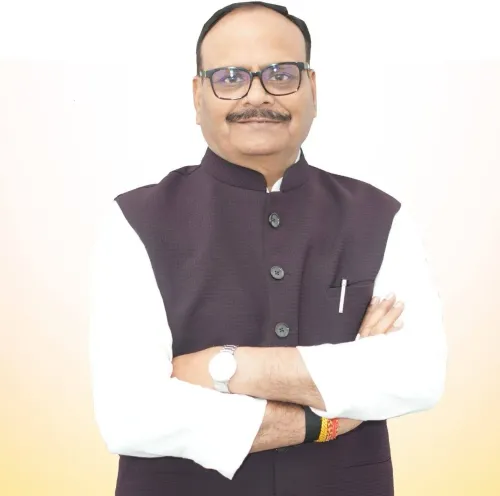
Brajesh Pathak , UP Deputy Chief Minister and Health Minister, on 25 September 2026 appealed to doctors to use Hindi or Devanagari script for medicine and test names on prescriptions.
Pathak urged doctors to communicate with patients in Bhojpuri , Awadhi , and other regional mother tongues to improve understanding and trust.
The Deputy CM cited Pandit Deendayal Upadhyay's views and PM Narendra Modi's practice of speaking in Indian languages abroad as inspiration.
Pathak linked the use of public language to democratic values and national unity.
No formal regulatory mandate was announced; the appeal is currently voluntary for the medical community.
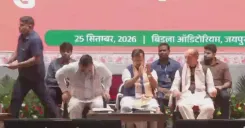
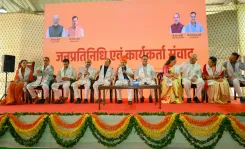
Uttar Pradesh Deputy Chief Minister and Health Minister Brajesh Pathak on Friday, 25 September 2026, appealed to doctors across the state to write medicine and test names in Hindi or Devanagari script on prescriptions, arguing that patients deserve to understand exactly what is being prescribed to them. Speaking in Lucknow, Pathak also urged the medical community to communicate with patients in their mother tongue and local dialects to make treatment advice more accessible.
The Core Appeal
Pathak framed the appeal in both official and personal terms, stating he was making the request not only in his capacity as Deputy Chief Minister and Health Minister but also, in his own words, as 'a Hindi-loving Indian.' He added that at a personal level he would give preference to medicines whose names were written in Hindi.
The appeal specifically called on doctors to use Bhojpuri, Awadhi, and other regional mother tongues wherever possible when interacting with patients. Pathak argued that patients would be better placed to follow medical advice and develop greater confidence in the healthcare system when it spoke their language.
Why It Matters for Healthcare Delivery
Pathak contended that treatment is not limited to medicines alone — a patient's understanding of and trust in the doctor are equally important components of care. He stressed that clear communication in a familiar language could help patients better comprehend their prescriptions, recommended tests, and overall treatment plans, reducing the risk of non-compliance or misunderstanding.
He said increasing the use of local and folk languages in the medical system would also strengthen the trust between patients and doctors, a factor that healthcare researchers frequently cite as central to treatment outcomes. This comes amid broader national discussions on making healthcare communication more accessible by integrating Indian languages alongside standard medical terminology.
Ideological and Political Context
Pathak invoked the philosophy of Pandit Deendayal Upadhyay in making his case for Indian languages, suggesting that occasions such as birth anniversaries of national leaders and thinkers should inspire a renewed resolve to use Hindi and other indigenous languages more extensively.
He also cited Prime Minister Narendra Modi as an example, noting that the Prime Minister consistently communicates in Hindi and other Indian languages even during visits abroad. Pathak urged doctors to draw inspiration from national leaders and champion indigenous languages in the medical field.
Notably, the Deputy Chief Minister linked language policy to democratic values, arguing that democracy was strengthened by public language and public sentiment, and that greater use of Hindi and regional languages would contribute to national unity.
What the Medical Community Is Being Asked to Do
In practical terms, Pathak asked doctors to make Hindi and local languages a regular and ongoing part of their clinical practice rather than a one-off gesture. He said this would help reduce the persistent communication gap between medical services and ordinary patients — a gap that is especially acute in rural and semi-urban Uttar Pradesh, where literacy in English or technical terminology remains limited.
Whether the appeal translates into formal policy guidance from the state health department remains to be seen, and no regulatory mandate was announced alongside the statement.
Point of View
Framing it as a voluntary appeal rather than a structured policy leaves the initiative toothless. Uttar Pradesh's public health system has more pressing bottlenecks — doctor-patient ratios, drug availability, infrastructure — and a language directive without implementation teeth risks becoming symbolic rather than transformative. The invocation of Deendayal Upadhyay and PM Modi also signals this is as much a cultural-political statement as a health policy intervention.
NationPress
25 Sept 2026
Frequently Asked Questions
What did UP Deputy CM Brajesh Pathak say about Hindi prescriptions?
Brajesh Pathak on 25 September 2026 appealed to doctors in Uttar Pradesh to write medicine and test names in Hindi or Devanagari script so patients can clearly understand their prescriptions. He also urged doctors to consult patients in their mother tongue, including Bhojpuri and Awadhi.
Why is Pathak asking doctors to use Hindi and local languages?
Pathak argued that a patient's understanding of and trust in the doctor are key components of healthcare, and that using a familiar language reduces miscommunication and helps patients follow treatment plans more effectively. He also cited democratic values and national unity as reasons to promote Indian languages.
Is this a mandatory directive or a voluntary appeal?
The statement was framed as an appeal, not a regulatory mandate. No formal policy notification or legal requirement was announced alongside the remarks, making it currently voluntary for the medical community.
Which regional languages did Pathak specifically mention?
Pathak specifically mentioned Bhojpuri and Awadhi, alongside Hindi and other Indian mother tongues, as languages doctors should use when communicating with patients wherever possible.
Who did Pathak invoke to support his case for Indian languages in medicine?
Pathak cited the philosophy of Pandit Deendayal Upadhyay and pointed to Prime Minister Narendra Modi's practice of communicating in Hindi and other Indian languages even during foreign visits as examples for doctors to emulate.