Sam Pitroda on Naxalism: Ideology valid, but violence solves nothing
Synopsis
Sam Pitroda has separated the ideology of Naxalism from its violent expression — acknowledging socio-economic grievances as real and enduring, while firmly rejecting armed conflict as a solution. His remarks, framed as a rebuttal to BJP's victory lap over Maoist decline, signal Congress's intent to contest the narrative on inequality grounds rather than cede the security framing entirely.
Key Takeaways
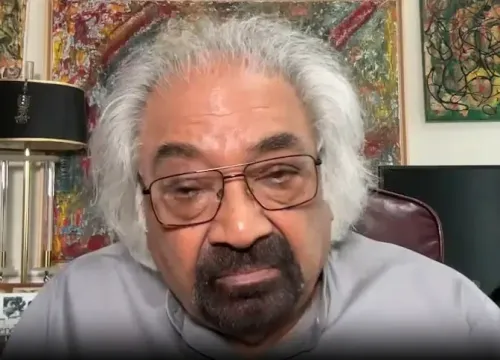
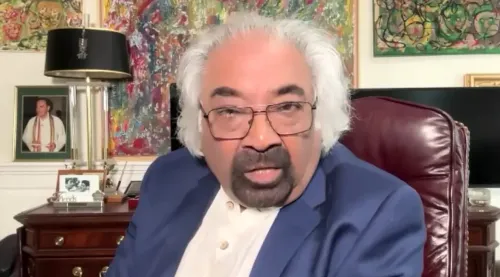
Sam Pitroda , chief of the Indian Overseas Congress , stated on 12 November 2026 that Naxalism is an ideology rooted in socio-economic inequality but that violence cannot be justified.
Pitroda said the Naxal movement he knew 40 years ago was fundamentally different from its present form, with wealth inequality having deepened globally since then.
He called for dialogue across the table as the only viable resolution, drawing parallels with conflicts in Gaza and Ukraine .
Citing wars witnessed since 1942 , he argued that armed conflict only produces deaths, destroyed assets and wasted resources on weapons.
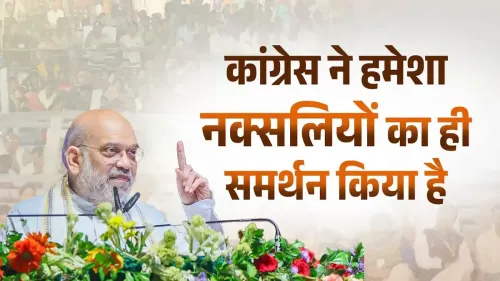
The remarks came in response to BJP 's claims about the decline of Maoism and its celebrations over the movement's perceived end.
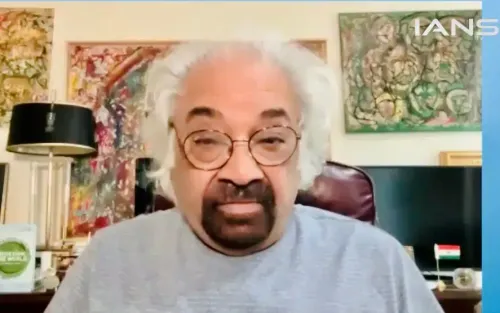
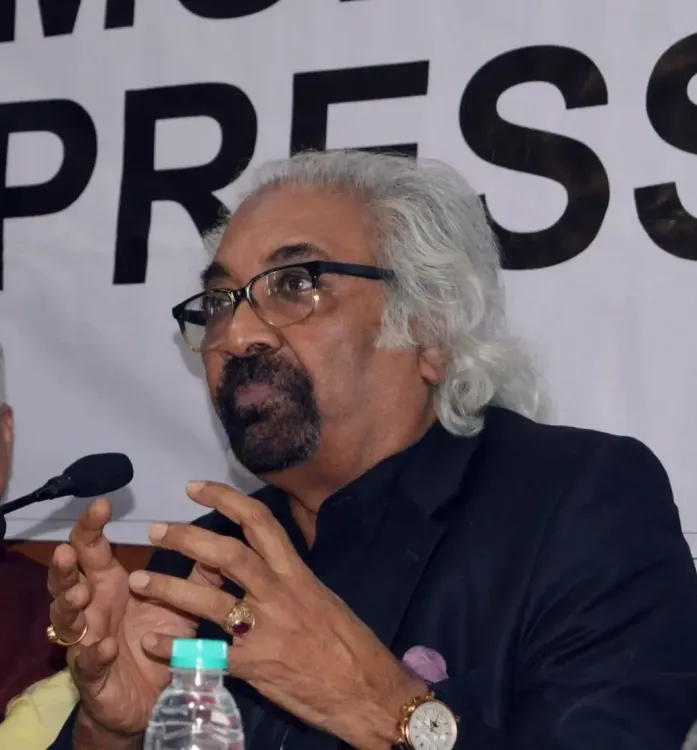
Indian Overseas Congress chief Sam Pitroda has said that while Naxalism represents a legitimate ideological grievance rooted in socio-economic deprivation, violence can never be justified as a means of addressing it. Speaking in an exclusive interview on 12 November 2026, Pitroda stressed that dialogue, not armed conflict, is the only viable path to resolving deep-rooted inequalities.
How Pitroda Views the Evolution of Naxalism
Pitroda drew a distinction between the Naxal movement he encountered as a student roughly four decades ago and what it has become today. He described early Naxalism as an expression of frustration among communities that felt left behind by the country's economic and political structures — a sentiment he said remains relevant globally.
'Naxalism that I knew 40 years ago is different from the Naxalism today. As a student growing up, I knew a little bit about Naxalism, and they were basically extremists who believed that they had not been given a fair share. The rich and powerful have come together and left them behind, which is still the case in many parts of the world. That hasn't changed. The degree has changed. In fact, now there are more rich and powerful than ever before in history,' Pitroda said.
On Ideology Versus Violence
While acknowledging the ideological foundation of the movement, Pitroda was unequivocal in rejecting violence as a tool of political change. He framed his position as a matter of philosophy rather than politics, extending his critique beyond Naxalism to armed conflicts worldwide.
'It's an ideology. But when you resort to violence, that's not good. I don't buy into that. Ideology is okay. We can sit across the table, and decide, have a conversation, agree and disagree and move on. But whenever you resort to violence, it makes no sense to me. Whether it is in Gaza or Ukraine or Naxals or anywhere else,' he said.
Wars Prove the Futility of Force, Pitroda Argues
Pitroda invoked his experience of witnessing multiple wars since 1942 to reinforce his argument. He contended that armed conflicts, regardless of their stated objectives, consistently produce death, destruction and massive financial expenditure on weapons — without producing meaningful or lasting solutions.
'At the end of all these wars, nothing much happens, people get killed, and assets get destroyed. We have seen that billions and billions are spent on weapons, and innocent people suffer. Naxals took to violence that changed the whole movement,' he said, adding a caveat that he does not claim specialist knowledge on the Naxalite movement.
Context: BJP's Claims on Decline of Maoism
The remarks came in direct response to questions about the Bharatiya Janata Party's (BJP) assertions regarding the near-elimination of Maoism in India and its public celebrations over the movement's perceived decline. Pitroda's comments signal that the Indian National Congress (INC) views the issue through the lens of unresolved social inequality rather than a purely security-driven frame — a distinction likely to fuel further political debate.
Notably, the gap between wealthy and marginalised communities that Pitroda identifies as Naxalism's root cause remains a contested policy question, with critics of successive governments arguing that land reform and tribal rights continue to be inadequately addressed. How political parties frame this issue is expected to remain a flashpoint as state elections approach.
Point of View
Congress positions itself as sympathetic to marginalised communities without defending armed insurgency. But the argument carries a contradiction: acknowledging that wealth inequality is worse today than 40 years ago implicitly indicts governments Congress itself led for much of that period. The BJP's security-first narrative on Naxalism has clear electoral traction in affected states; whether a 'dialogue over bullets' counter-frame gains ground will depend on whether Congress ties it to concrete policy alternatives on tribal rights and land reform — something Pitroda's remarks, however thoughtful, do not yet do.
NationPress
12 Nov 2026
Frequently Asked Questions
What did Sam Pitroda say about Naxalism?
Sam Pitroda said Naxalism is an ideology grounded in the belief that certain sections of society have been denied their fair share — a grievance he described as still relevant. However, he firmly rejected violence as a means of addressing it, calling instead for dialogue and peaceful resolution.
How has Naxalism changed, according to Pitroda?
Pitroda said the Naxalism he knew as a student about 40 years ago was driven by communities who felt economically excluded, and that the core inequality has not disappeared — in fact, he argued wealth concentration has grown. What has changed, he suggested, is the degree and character of the movement itself.
Why did Pitroda make these remarks now?
The remarks were made in response to questions about the BJP's claims that Maoism has been effectively ended in India and its celebrations over the movement's decline. Pitroda's comments represent Congress's attempt to reframe the Naxalism debate around socio-economic inequality rather than purely security terms.
Does Pitroda support the Naxalite movement?
No. Pitroda explicitly said he does not endorse violence under any circumstances, whether by Naxals, in Gaza, or in Ukraine. He acknowledged the ideological basis of the movement as understandable but called violence counterproductive, stating it adds to problems rather than resolving them.
What is Sam Pitroda's broader argument against armed conflict?
Pitroda argued from a philosophical standpoint that wars and armed conflicts, across his lifetime since 1942, have consistently ended without meaningful outcomes — producing only casualties, destruction of assets and enormous expenditure on weapons while innocent people suffer.