How is PM Modi Pushing for Sustainable Agriculture in India?
Synopsis
Prime Minister Narendra Modi emphasizes the importance of natural farming in India, revealing inspiring stories of farmers dedicated to sustainability. With initiatives like the National Mission on Natural Farming and community empowerment through FPOs, he showcases a transformative approach to agriculture that prioritizes ecological practices and innovation.
Key Takeaways
Natural farming aligns with India's traditional and ecological practices.
Government initiatives like the National Mission on Natural Farming are vital for supporting farmers.
Engagement with FPOs promotes collective empowerment in agriculture.
Women farmers are increasingly adopting sustainable practices.
Natural farming addresses chemical dependency and enhances soil health.
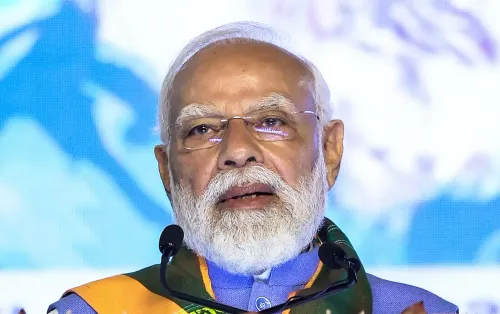
New Delhi, Dec 3 (NationPress) Prime Minister Narendra Modi praised the strides India is making in natural farming, highlighting various initiatives from the Centre, including the National Mission on Natural Farming, initiatives to boost exports, and the significant growth of institutional credit via the Kisan Credit Card and PM-Kisan. These efforts have fortified farmers who are embracing natural farming techniques.
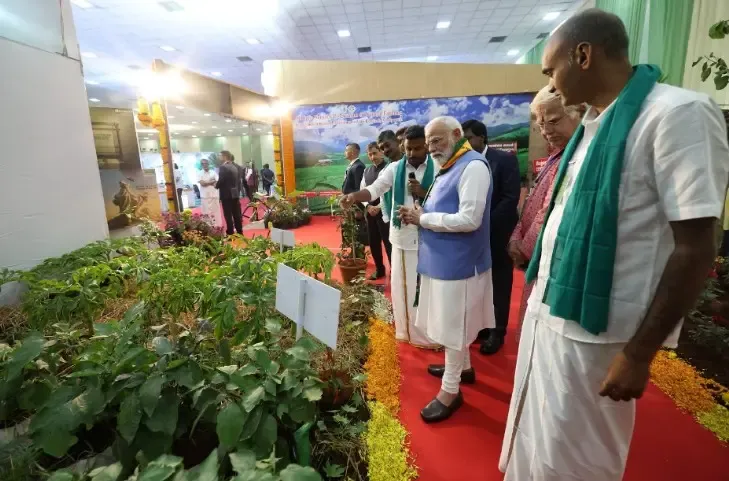
In a recent LinkedIn post entitled 'India and natural farming... the way ahead!', the Prime Minister reminisced about his meeting with farmers from Tamil Nadu last August, where they discussed their adoption of innovative agricultural methods aimed at enhancing sustainability and productivity. They extended an invitation to him for the South India Natural Farming Summit 2025, which took place in Coimbatore on November 19.
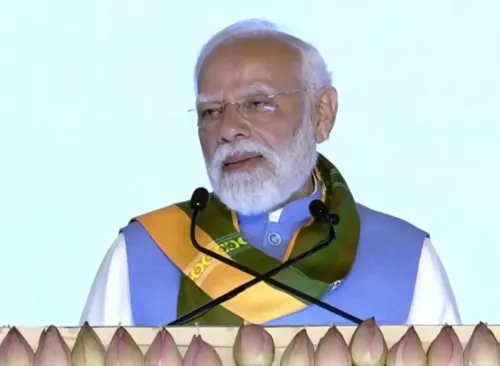
“On November 19, I had the pleasure of being in the beautiful city of Coimbatore, attending the South India Natural Farming Summit 2025. This city, known for its MSME backbone, hosted an important event focusing on natural farming,” he noted.
He elaborated that natural farming is rooted in India's traditional knowledge systems and modern ecological practices, allowing cultivation without synthetic chemicals. This approach promotes diverse ecosystems where plants, trees, and livestock coexist to enhance natural biodiversity. It emphasizes the recycling of agricultural by-products and the improvement of soil health through methods like mulching and aeration, rather than relying on external inputs.
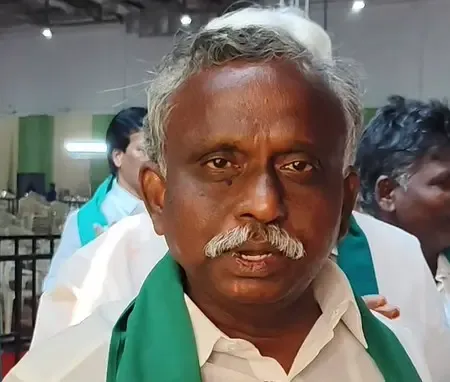
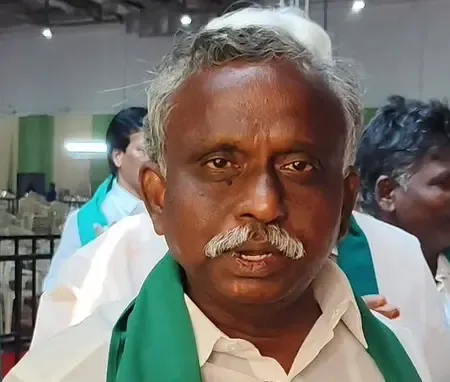
“The Summit in Coimbatore will forever hold a special place in my memory! It showcased a transformative shift in the mindset and confidence of India's farmers and agri-entrepreneurs as they shape the future of agriculture,” PM Modi remarked, expressing his amazement after interacting with Tamil Nadu farmers demonstrating their natural farming efforts.
He shared inspiring stories of farmers, including one who manages nearly 10 acres of multi-layered agriculture featuring bananas, coconuts, papaya, pepper, and turmeric, while also caring for 60 desi cows, 400 goats, and local poultry.
Another farmer he mentioned is dedicated to preserving traditional rice varieties such as Mapillai Samba and Karuppu Kavuni, focusing on creating value-added products like health mixes, puffed rice, chocolates, and protein bars.
He also highlighted a first-generation graduate running a 15-acre natural farm who has trained over 3,000 other farmers and supplies around 30 tonnes of vegetables monthly.
Additionally, he noted that certain FPOs are aiding tapioca farmers and promoting tapioca-based products as sustainable raw material for bioethanol and Compressed Biogas.
Furthermore, he commended agri-innovators like a biotechnology professional who established a seaweed-based biofertilizer enterprise employing 600 fishermen across coastal districts, and another innovator who created nutrient-enriched bioactive biochar that boosts soil health. Both examples illustrate how science and sustainability can work hand in hand.
Despite their diverse backgrounds, all individuals he met demonstrated a robust commitment to soil health, sustainability, community upliftment, and entrepreneurship.
The Prime Minister asserted that India has made significant advancements in natural farming at a national level.
“Last year, the Government of India launched the National Mission on Natural Farming, successfully connecting lakhs of farmers with sustainable practices. Thousands of hectares nationwide are now dedicated to natural farming. The government's initiatives, such as fostering exports and significantly expanding institutional credit through the Kisan Credit Card (including livestock and fisheries) and PM-Kisan, have also benefited farmers engaged in natural farming,” he explained.
He mentioned that natural farming is closely aligned with the Centre's initiatives to promote Shree Anna or millets, noting an encouraging trend of increasing participation from women farmers in natural farming.
PM Modi pointed out that the growing reliance on chemical fertilizers and pesticides over recent decades has harmed soil fertility, decreased moisture, and threatened long-term sustainability while driving up cultivation costs.
He stated that natural farming addresses these issues directly, utilizing Panchagavya, Jeevamrit, Beejamrit, and mulching to safeguard soil health, reduce chemical exposure, minimize input costs, and increase resilience to climate change and erratic weather patterns.
“I encouraged farmers to start with 'one acre, one season'. Even the results from a small patch can build confidence and inspire broader adoption. When traditional wisdom merges with scientific validation and institutional support, natural farming can flourish and transform agriculture,” he remarked.
He urged individuals to consider engaging in natural farming through FPOs, which he described as robust platforms for collective empowerment, and to explore startups in the natural farming domain.
“Witnessing the synergy between farmers, science, entrepreneurship, and collective action in Coimbatore was incredibly inspiring. I am confident that together we will continue to make our agriculture and allied sectors both productive and sustainable. If you know of teams working on natural farming, please share that with me as well!” the Prime Minister concluded.
Point of View
The commitment of Prime Minister Modi towards promoting natural farming reflects a significant shift in agricultural practices in India. The emphasis on sustainable methods not only supports farmers but also encourages community involvement and ecological balance. This approach aligns with global trends toward sustainability, positioning India as a leader in innovative agricultural practices.
NationPress
3 Oct 2026
Frequently Asked Questions
What is the National Mission on Natural Farming?
The National Mission on Natural Farming is a government initiative aimed at promoting sustainable agricultural practices across India, connecting farmers with resources and training to adopt eco-friendly techniques.
How does natural farming benefit the environment?
Natural farming enhances soil health, reduces chemical usage, and fosters biodiversity by utilizing organic inputs and traditional agricultural practices, which ultimately leads to a more sustainable ecosystem.
What role do FPOs play in natural farming?
Farmer Producer Organizations (FPOs) serve as platforms for collective empowerment, enabling farmers to collaborate, share resources, and access markets more effectively while promoting sustainable farming practices.
Why is there a focus on millets in natural farming?
Millets, or Shree Anna, are being promoted as they are resilient crops that require less water and are better suited for sustainable agriculture, aligning with the goals of natural farming.
How can farmers start with natural farming?
Farmers are encouraged to begin with a small plot, applying natural farming techniques to see positive results, which can inspire them to scale up their practices over time.