PMAY Varanasi: Mohammad Siraj gets house after 2019 wait
Synopsis
In the Prime Minister's constituency, PMAY beneficiary Mohammad Siraj says a 2019 registration became a permanent house in 2022, ending years of rent. He and Kamlesh Prasad in Shri Sai City compare amenities with private colonies and ask that others get the same security.
Key Takeaways
Mohammad Siraj , a PMAY beneficiary in Varanasi , registered in 2019 and received a permanent house in 2022 .
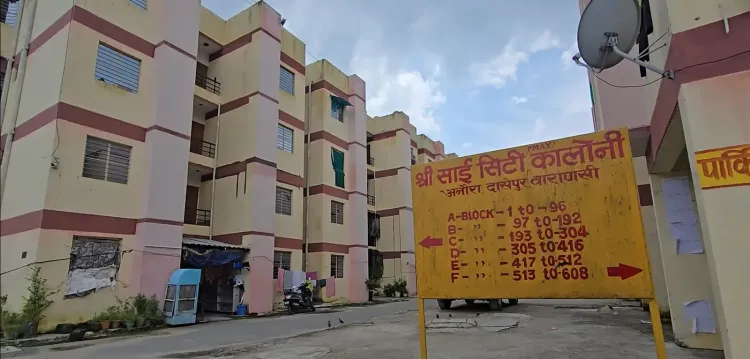
He now lives in Shri Sai City colony and said amenities match private residential colonies.
Fellow beneficiary Kamlesh Prasad earlier rented near Kabir Chaura, Maidagin .
Both credited Prime Minister Narendra Modi and the Centre's Housing for All push.
Siraj said the scheme had no caste discrimination and asked that others also get permanent homes.
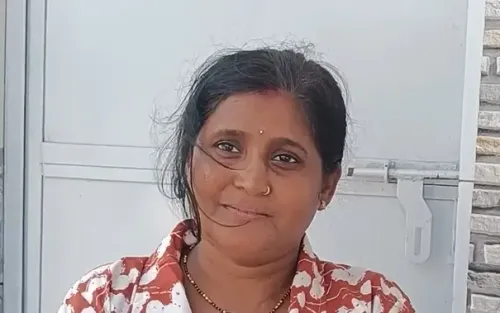
Mohammad Siraj, a Pradhan Mantri Awas Yojana (PMAY) beneficiary in Varanasi, said on 25 November that his family moved from rented rooms to a permanent house in 2022 after registering under the scheme in 2019. Siraj, now living in Shri Sai City colony, is among urban households in the temple city who say the Centre's Housing for All mission has ended years of rental insecurity.
The PMAY is a flagship programme of the Central government covering rural belts and urban housing. In Varanasi, beneficiary families including Siraj's have received their own homes and, according to their accounts, are using colony amenities they compare with private residential projects.
From rented rooms to a permanent house
Siraj said the wait from registration to possession spanned three years. “We received our own home under the Pradhan Mantri Awas Yojana. We registered in 2019 and received a permanent house in 2022. Previously, we lived in rented accommodation; now, we have a home of our own. Thanks to the Prime Minister's support, we have a permanent house, and the facilities here are excellent,” he said.
He added that colony management compared well with private housing. “The management here is very good. Although it is a government housing scheme, the amenities are on par with those found in private residential colonies,” Siraj said.
What beneficiaries said about the Prime Minister
Extending gratitude to Prime Minister Narendra Modi, Siraj said he “pays special attention to the poor. There is no discrimination based on caste; it is equal for everyone. It would be a great privilege to meet him. If I were to meet him, I would ask him to continue looking after others just as he has helped us, so that they too can secure a permanent home and lead a better life.”
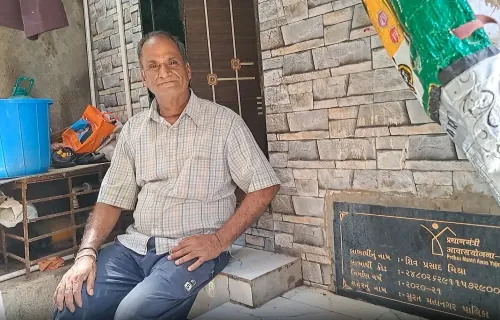
Another beneficiary, Kamlesh Prasad, said his family had earlier rented a house near Kabir Chaura, Maidagin. “Previously, we lived in a rented house near Kabir Chaura, Maidagin. Now, we have this home, and for that, I am very grateful to PM Modi. Ever since he came to power at the Centre, he has been doing excellent work. His tenure in Gujarat was also remarkable. We are very happy with him.”
Praising the Prime Minister, Prasad added: “I would like to thank PM Modi and wish him a long life. I have been a huge fan of his ever since he came to power. It is because of him that we received a house. We have received a great deal—at the very least, we now have a home to live in.”
Why the Varanasi accounts matter
These testimonies come from the Prime Minister's parliamentary constituency, where Housing for All is often presented as a delivery metric. Notably, both families framed the change not only as a roof over their heads but as an exit from the insecurity of rent — a pressure urban informal workers in cities such as Varanasi routinely face.
This is the kind of on-ground account used to argue that PMAY is reaching households across communities. Siraj's remark that there is “no discrimination based on caste” and that the scheme is “equal for everyone” sits alongside Prasad's gratitude and his reference to Modi's earlier tenure in Gujarat.
Housing for All and what comes next
PMAY operates in rural and urban streams and is designed to help eligible families move into pucca housing with basic civic amenities. In Shri Sai City, residents said management and facilities matched private colonies — a claim that, if sustained, would address a frequent criticism that government housing lags in upkeep after allotment.
What happens next for such colonies depends on continued maintenance, occupancy, and whether remaining waitlisted families in Varanasi receive similar allotments. Siraj's own request, if he were to meet the Prime Minister, was that others too “secure a permanent home and lead a better life.” For households still in rented rooms around Kabir Chaura and other inner-city pockets, that remains the unfinished part of Housing for All.
Point of View
Even in a high-priority city. The real test is not a handful of satisfied residents in Shri Sai City, but whether maintenance, occupancy and waitlists across urban Varanasi match the private-colony standard they describe. Caste-blind delivery is a strong claim; it should be checked against allotment data, not only testimonials.
NationPress
25 Nov 2026
Frequently Asked Questions
What did PMAY beneficiary Mohammad Siraj say in Varanasi?
Mohammad Siraj said his family received a permanent PMAY house in 2022 after registering in 2019, having previously lived in rented accommodation. He credited the Prime Minister's support and said colony amenities and management were on par with private residential colonies.
When did Mohammad Siraj get his PMAY house in Varanasi?
He registered under the Pradhan Mantri Awas Yojana in 2019 and received a permanent house in 2022. The family now lives in Shri Sai City colony in Varanasi.
Who is Kamlesh Prasad in the PMAY Varanasi story?
Kamlesh Prasad is another PMAY beneficiary in Shri Sai City who earlier rented a house near Kabir Chaura, Maidagin. He thanked Prime Minister Narendra Modi and said the family now has a home of its own.
What is the Pradhan Mantri Awas Yojana Housing for All scheme?
PMAY is a flagship Central government housing programme covering rural belts and urban areas, aimed at helping eligible families move into permanent homes. In Varanasi, beneficiaries say it has replaced rented accommodation with pucca housing and colony amenities.
Where is Shri Sai City colony mentioned by PMAY beneficiaries?
Shri Sai City is the Varanasi colony where Mohammad Siraj and Kamlesh Prasad said they now live after receiving PMAY houses. They described its management and amenities as comparable with private residential colonies.