PMAY beneficiaries in Jamnagar share joy of owning first permanent home
Synopsis
In Jamnagar, Gujarat, PMAY beneficiaries — including a daily-wage milkman and a family whose home would flood every monsoon — describe how a ₹4 lakh government loan under the scheme turned the impossible into reality. Their testimonies put a human face on one of India's largest-ever housing welfare programmes.
Key Takeaways
PMAY has enabled thousands of families in Jamnagar, Gujarat to transition from kutcha, flood-prone structures to permanent pucca homes.
Rajendra bhai of Mohan Nagar received a loan of ₹4 lakh under PMAY to construct his permanent home.
Manishbhai Hiralal Solanki , a door-to-door milkman, built a pucca house after availing PMAY benefits, ending years of water ingress for his family.
Mamta Solanki described her previous home as 'very small' with a 'dire' financial situation before the scheme changed her circumstances.
Beneficiaries expressed gratitude to Prime Minister Narendra Modi for the scheme's implementation.
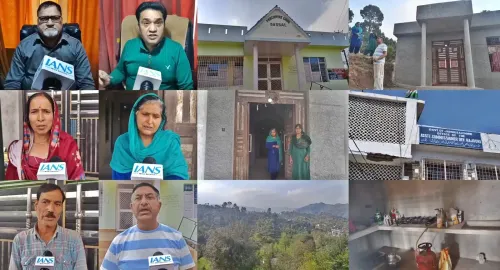
The Pradhan Mantri Awas Yojana (PMAY) is transforming lives in Jamnagar, Gujarat, where thousands of economically weaker families have moved out of dilapidated, flood-prone shelters and into permanent pucca homes, thanks to financial assistance provided under the Centre's flagship housing scheme. Several beneficiaries spoke about the tangible change the scheme has brought to their daily lives.
From Flooding Kutcha House to Permanent Home
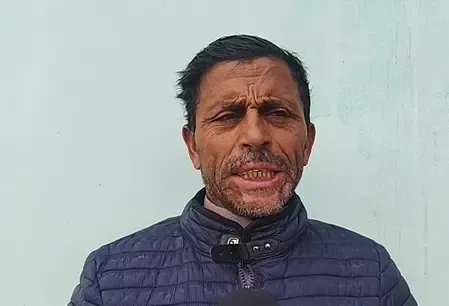
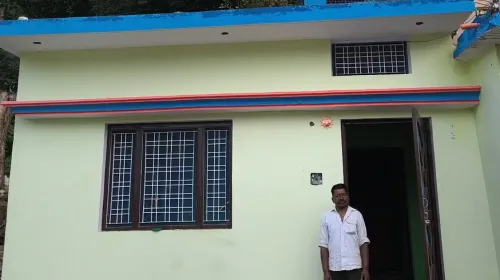
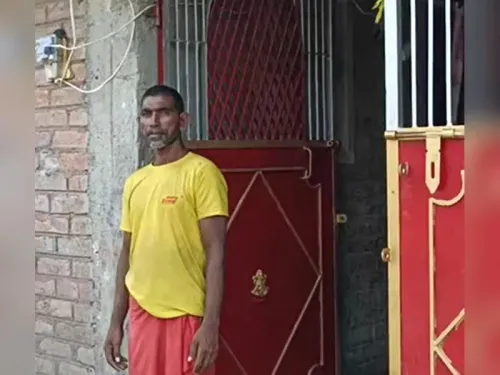
Rajendra bhai, a resident of Mohan Nagar in Jamnagar, had been living in a crumbling structure that would flood every monsoon season. After learning about PMAY, he availed a loan of ₹4 lakh under the scheme and was able to construct a permanent house — something he said he could never have managed independently.
'My financial situation was precarious earlier, but life changed completely after subscribing to the scheme,' he said, expressing gratitude to Prime Minister Narendra Modi. His wife, Mayuri, recalled the hardships of living in the earlier kutcha house and said she had never imagined they would one day own a home of this quality.
A Milkman's Dream Fulfilled
Manishbhai Hiralal Solanki, who earns his livelihood delivering milk door to door, was previously living in a makeshift kaccha structure. Water would routinely seep into the house, posing significant hardship for his young children. After availing the benefits of the scheme, Solanki was able to build a permanent home. His experience mirrors that of countless low-income households across Gujarat who were previously excluded from the formal housing market.
Women Beneficiaries Speak Out
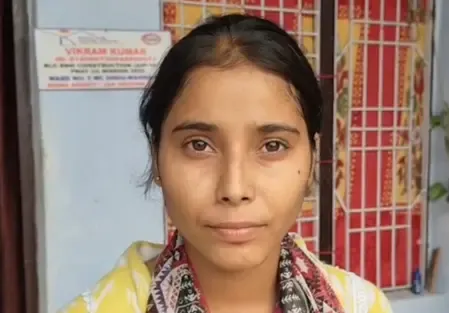
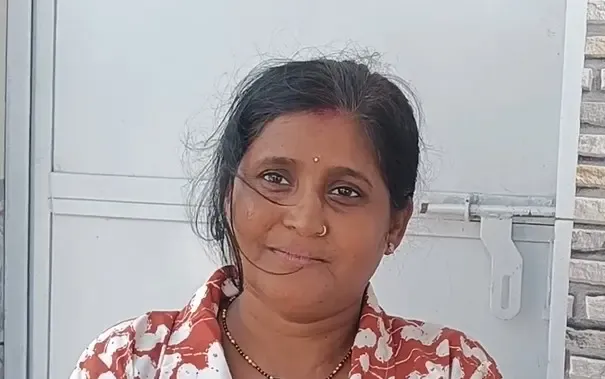
Mamta Solanki, another beneficiary from Jamnagar, described her earlier home as extremely small and said her family's financial position had been dire. Upon learning about PMAY, she enrolled in the scheme and has since moved into what she calls her 'dream home'. She, too, credited the Prime Minister for the support.
Scale and Impact of PMAY in Gujarat
PMAY — which operates across urban and rural components — aims to provide affordable housing to eligible beneficiaries from economically weaker sections (EWS) and low-income groups (LIG). Gujarat has been among the states with notable implementation progress under the scheme. The stories emerging from Jamnagar reflect a broader pattern of socio-economic upliftment that the programme has reportedly generated across India's Tier-2 and Tier-3 cities.
Notably, housing security is closely linked to outcomes in education, health, and women's safety — making the scheme's reach beyond mere brick-and-mortar significant. As the government continues to push for housing access ahead of its broader rural and urban development targets, ground-level testimonies from districts like Jamnagar suggest the programme is delivering measurable change for its intended beneficiaries. How the scheme is scaled further and whether disbursement timelines are maintained will be closely watched in the months ahead.
Point of View
But they also surface questions mainstream coverage tends to skip: what proportion of sanctioned homes in Gujarat have actually been completed and handed over, and how does loan repayment burden affect families at the EWS income level? The ₹4 lakh loan figure is meaningful support, yet for a household with irregular income — like a milkman — it also represents a multi-year financial commitment. The programme's success metrics should extend beyond construction completion to cover occupancy quality, loan default rates, and whether women are co-owners as mandated. Gujarat's PMAY progress numbers are cited frequently in political contexts; independent audits of beneficiary satisfaction and asset quality would give these stories the accountability framework they deserve.
NationPress
29 Oct 2026
Frequently Asked Questions
What is the Pradhan Mantri Awas Yojana (PMAY)?
PMAY is a Central government housing scheme that provides financial assistance to economically weaker sections (EWS) and low-income groups (LIG) to construct or acquire permanent homes. It operates under both urban and rural components and offers subsidised loans and direct benefit transfers to eligible beneficiaries.
How much financial aid can PMAY beneficiaries receive in Jamnagar?
According to reports from Jamnagar, beneficiaries like Rajendra bhai received a loan of ₹4 lakh under the scheme to construct a permanent house. The exact quantum varies by category, location, and component of the scheme a beneficiary is enrolled under.
Who is eligible for benefits under PMAY?
PMAY targets households from economically weaker sections (EWS) and low-income groups (LIG) who do not own a pucca house. Preference is given to women-headed households, persons with disabilities, scheduled castes and tribes, and other marginalised groups.
How has PMAY impacted families in Gujarat?
In Jamnagar alone, thousands of families have reportedly benefited from the scheme, moving out of makeshift kutcha homes that were vulnerable to flooding. Beneficiaries describe improved living conditions, greater financial security, and better prospects for their children.
Why does housing access matter beyond just shelter?
A permanent pucca home provides more than physical security — it is linked to improved health outcomes, better educational attendance for children, enhanced safety for women, and greater access to formal financial services. For low-income families, home ownership also represents their primary tangible asset.