PMAY transforms border villages in J&K, LoC families move into pucca homes
Synopsis
In the shadow of the Line of Control, PMAY is doing something quietly significant — turning fragile, rain-battered kaccha shelters into permanent pucca homes for families who once spent monsoon nights fearing their walls would collapse. The scheme's reach into J&K's LoC belt is as much a welfare story as it is a strategic one.
Key Takeaways
PMAY has reached border villages along the Line of Control (LoC) in Jammu and Kashmir , providing pucca homes to previously underserved families.
Beneficiaries report that housing under the scheme has come bundled with drinking water , cooking gas , and electricity connections.
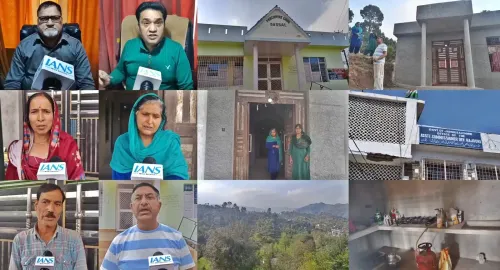
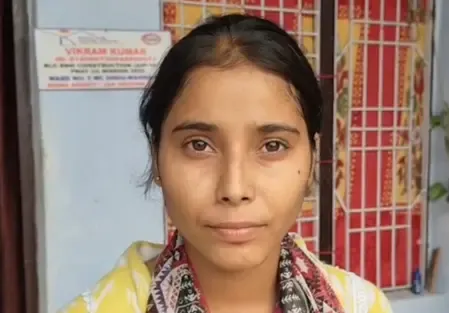
Residents Nisha Devi , Chanchala Devi , and Priya described moving from rain-soaked kaccha structures to permanent homes as a life-changing milestone.
PMAY (Gramin) offers higher financial assistance for hilly and difficult terrain regions, a category covering much of J&K .
The scheme's extension to LoC villages follows the Centre's accelerated social-sector push in J&K since its reorganisation as a Union Territory in 2019 .
The Pradhan Mantri Awas Yojana (PMAY) is delivering tangible change in some of India's most sensitive frontier zones, with families living along the Line of Control (LoC) in Jammu and Kashmir among the latest to benefit from the Central government's flagship housing scheme. On 27 October 2026, residents of border villages separating India and Pakistan described moving from crumbling, rain-soaked 'kaccha' structures to solid 'pucca' homes as a life-altering milestone.
Life Before and After PMAY
For decades, families in these LoC-adjacent villages endured the dual hardship of geographical vulnerability and substandard housing. Beneficiaries described monsoon nights spent collecting rainwater in utensils, watching clothing and bedding soak through, and living under constant fear that temporary walls might collapse. The arrival of PMAY funds has, according to residents, ended that cycle of anxiety.
Nisha Devi, a local beneficiary, said: 'We have benefited immensely. PM Modi has provided everyone with the means to build a home. We hope that everyone receives such a benefit. Those who previously lived in kaccha houses — where basic necessities like bedding and clothing would often get soaked or ruined during the rain — are living in pucca homes.'
Beneficiaries Speak Out
Chanchala Devi offered a vivid account of the fear that defined life in a fragile structure: 'Previously, our homes were temporary and fragile; whenever it rained at night, we lived in constant fear that the house might collapse, putting our lives at risk. Our clothes would get soaked, and we had to place all our utensils on the floor to collect the leaking water. Today, we are truly happy after moving into our home.'
Another resident, Priya, echoed the sentiment, noting that her family's permanent home has replaced constant worry with 'complete peace of mind.' Beneficiaries also highlighted that PMAY housing in this region has come bundled with access to drinking water, cooking gas, and electricity connections — amenities that were previously irregular or unavailable.
Strategic Significance of LoC Coverage
The extension of PMAY to border villages in Jammu and Kashmir carries significance beyond welfare metrics. Analysts and local administrators have long argued that visible improvements in living standards along sensitive frontiers help strengthen community ties with the state and reduce socioeconomic grievances in areas historically exposed to cross-border pressures. This comes amid the Centre's broader push to accelerate infrastructure and social-sector spending in J&K following its reorganisation as a Union Territory in 2019.
Notably, PMAY — launched nationally in 2015 — set an original target of providing housing to all eligible rural and urban poor. Its reach into LoC villages represents one of the more logistically complex deliveries of the scheme, given terrain, security considerations, and connectivity constraints.
What the Scheme Provides
Under PMAY (Gramin), eligible rural beneficiaries receive financial assistance to construct a pucca house, with the amount varying by geography and category. In hilly and difficult terrain regions — a classification that covers much of Jammu and Kashmir — the assistance is higher than the plains rate. The scheme also converges with Jal Jeevan Mission for drinking water, Pradhan Mantri Ujjwala Yojana for cooking gas, and the Saubhagya scheme for electricity, creating a bundled upgrade to living conditions.
What Comes Next
The Centre has indicated that PMAY targets for Jammu and Kashmir are being actively monitored to ensure timely completion of sanctioned units. With national elections having reinforced housing as a core welfare promise, delivery in high-visibility regions such as border villages is expected to remain a policy priority. How quickly remaining eligible families in the LoC belt are reached will be a key measure of on-ground implementation.
Point of View
But the broader story here is one of policy sequencing: PMAY in J&K is not just a housing programme — it is a convergence vehicle bundling water, gas and electricity into a single delivery moment for some of the country's most strategically sensitive communities. What mainstream coverage tends to underplay is the implementation complexity: reaching these villages requires navigating security clearances, difficult terrain and supply-chain constraints that do not apply elsewhere. The pace of remaining sanctions and their completion rate — not the beneficiary count — will be the real test of whether this is systemic change or a curated sample of success stories.
NationPress
27 Oct 2026
Frequently Asked Questions
What is the Pradhan Mantri Awas Yojana (PMAY) scheme?
PMAY is a Central government housing scheme launched in 2015 to provide pucca homes to eligible poor families across rural and urban India. Under its rural arm, PMAY (Gramin), beneficiaries receive financial assistance to construct a permanent dwelling, with higher assistance in hilly and difficult terrain regions such as Jammu and Kashmir.
How are LoC border villages in J&K benefiting from PMAY?
Families living along the Line of Control in Jammu and Kashmir have received PMAY funds to replace fragile kaccha structures with pucca homes. The scheme in this region has also been converged with Jal Jeevan Mission, Pradhan Mantri Ujjwala Yojana, and the Saubhagya scheme, giving beneficiaries access to drinking water, cooking gas, and electricity in addition to housing.
Why is PMAY coverage in border villages significant?
Extending housing benefits to LoC-adjacent villages in J&K is significant both as a welfare delivery and as a strategic move. Improved living standards in frontier communities are seen by administrators as a way to strengthen ties between residents and the state in areas historically exposed to cross-border pressures.
Who are some of the beneficiaries mentioned from the LoC villages?
Nisha Devi, Chanchala Devi, and Priya are among the residents who spoke about their experience. All three described moving from rain-damaged temporary homes to solid permanent houses, and said the change has eliminated the fear and anxiety that previously defined life during the monsoon season.
What is the current status of PMAY implementation in Jammu and Kashmir?
The Centre has indicated that PMAY targets for Jammu and Kashmir are under active monitoring to ensure timely completion of sanctioned units. J&K has been a focus area for accelerated social-sector spending since its reorganisation as a Union Territory in 2019.