PMK pushes TN to clarify 125-day MGNREGS stance before July 1 deadline

Synopsis
With July 1 just two days away and 19 states already on board, Tamil Nadu has yet to signal whether it will adopt the Centre's expanded 125-day MGNREGS — a silence that PMK's Anbumani Ramadoss warns could leave nearly 70 lakh rural households with as little as 1.3 days of guaranteed work if the state opts out without an alternative plan.
Key Takeaways
PMK President Anbumani Ramadoss on 28 June demanded Tamil Nadu clarify its stance on the Centre's revamped 125-day MGNREGS before the July 1 rollout date.
The Centre has allocated ₹7,957.57 crore for Tamil Nadu under the scheme, with a national outlay of ₹95,692 crore .
If Tamil Nadu joins, the state must contribute ₹5,305.04 crore , generating an estimated 27.68 crore person-days — but only about 40 days per household for 69.76 lakh rural families.
If Tamil Nadu opts out, only ₹440.90 crore remains, enough for barely 1.3 days of work per beneficiary.
19 states and UTs have already notified implementation; Telangana and Karnataka are considering a legal challenge.
Ramadoss called on the state to either adopt the scheme or announce an alternative fulfilling the election promise of 150 days of annual rural employment.
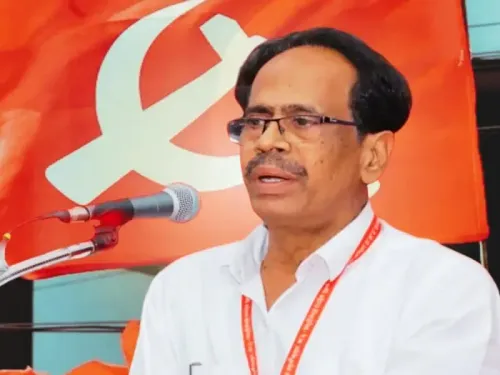
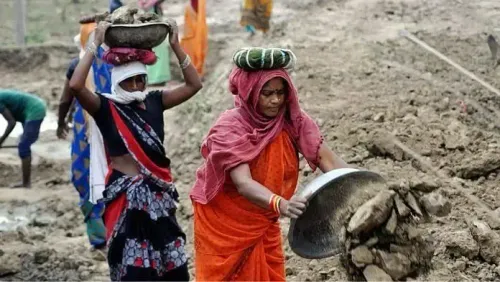
Pattali Makkal Katchi (PMK) President Anbumani Ramadoss on Sunday, 28 June pressed the Tamil Nadu government to immediately declare its position on the Centre's revamped 125-day rural employment scheme, warning that the silence is leaving lakhs of rural workers without clarity on their livelihoods as the July 1 implementation date approaches.
The Deadline Pressure
With only two days remaining before the revised Mahatma Gandhi National Rural Employment Guarantee Scheme (MGNREGS) takes effect, Tamil Nadu has yet to issue any notification. By contrast, 19 states and Union Territories have already moved to implement the scheme. Andhra Pradesh, Kerala, and Puducherry have announced rollout plans, while Telangana and Karnataka are weighing implementation against a potential legal challenge before the Supreme Court. Telangana has additionally proposed a state-funded backup scheme to protect workers if its legal challenge proceeds.
What the Revamped Scheme Entails
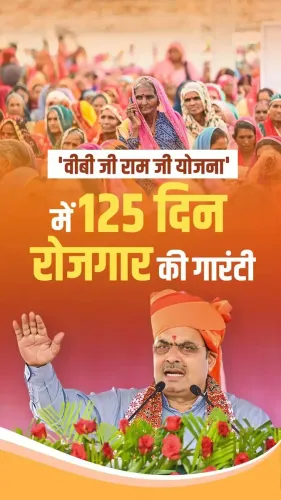
The Centre has extended the guaranteed employment period under MGNREGS from 100 days to 125 days annually. Nationally, the government has allocated ₹95,692 crore for the programme, of which ₹7,957.57 crore is earmarked for Tamil Nadu. The revised framework, however, raises the state government's financial contribution to 40 per cent and grants the Centre greater authority over the nature of permissible works — provisions that opposition parties argue dilute state autonomy.
The Numbers for Tamil Nadu
According to Ramadoss, if Tamil Nadu opts in, the state would need to contribute approximately ₹5,305.04 crore, bringing total available funds to ₹13,262.61 crore. At the current wage rate of ₹479.49 per person per day, this would generate around 27.68 crore person-days of employment. However, with nearly 69.76 lakh rural households seeking work, each family would receive only about 40 days of employment on average — well below what has been provided in recent years.
The Cost of Opting Out
The stakes of inaction are equally stark. If Tamil Nadu declines the Centre's scheme, only the residual ₹440.90 crore from the existing MGNREGS allocation would remain, sufficient to fund barely 1.3 days of employment per beneficiary. Beyond that, the state would have to finance rural employment entirely from its own budget.
PMK's Demand
Ramadoss urged the state government to end the uncertainty without delay. If Tamil Nadu chooses to reject the Centre's scheme, he said the government must immediately announce an alternative programme that fulfils the Tamilaga Vettri Kazhagam government's election promise of providing 150 days of annual employment to rural families. The ball, he indicated, is firmly in Chief Minister's court — and the clock is running out.
Point of View
But the arithmetic of inaction is brutal — 1.3 days of guaranteed work per household is not a safety net, it is a rounding error. The revised framework's 40 per cent state-contribution clause and Centre-controlled work categories are legitimate federal concerns, but they do not justify leaving nearly 70 lakh rural families in limbo. If the state intends to challenge the scheme legally, as Telangana is considering, it needed a parallel plan yesterday. The Tamilaga Vettri Kazhagam's 150-day election promise now sits directly in the crosshairs: either the government finds the fiscal room to honour it independently, or it accepts a Centre-designed scheme it has publicly criticised. There is no comfortable middle ground.
NationPress
27 Sept 2026
Frequently Asked Questions
What is the Centre's new 125-day MGNREGS scheme?
The Union government has revamped the Mahatma Gandhi National Rural Employment Guarantee Scheme by extending guaranteed annual employment from 100 days to 125 days. A national allocation of ₹95,692 crore has been made, with ₹7,957.57 crore earmarked for Tamil Nadu, and the scheme is set to take effect from 1 July 2025.
Why has PMK demanded Tamil Nadu clarify its position?
PMK President Anbumani Ramadoss warned that with the July 1 deadline two days away and 19 states already notifying implementation, Tamil Nadu's continued silence leaves lakhs of rural workers uncertain about their livelihoods. He said the state must either adopt the scheme or immediately announce an alternative.
What happens to Tamil Nadu's rural workers if the state opts out?
If Tamil Nadu declines the Centre's scheme, only ₹440.90 crore from the existing MGNREGS allocation would remain, enough to fund barely 1.3 days of employment per beneficiary. The state would then have to finance rural employment entirely from its own budget.
Why are some states opposing the revised MGNREGS framework?
Opposition parties and some state governments argue that the revised scheme dilutes state autonomy by raising the state's financial contribution to 40 per cent and granting the Centre greater control over the nature of permissible works. Telangana and Karnataka are reportedly weighing a legal challenge before the Supreme Court.
What is the Tamilaga Vettri Kazhagam's election promise on rural employment?
The Tamilaga Vettri Kazhagam government had promised 150 days of annual employment to rural families during elections. Ramadoss has demanded that if Tamil Nadu rejects the Centre's 125-day scheme, the state must unveil an alternative programme to honour this commitment.