Why Has Private Sector Credit in Pakistan Fallen by 79% Amid Economic Challenges?

Synopsis
Private sector credit in Pakistan has plummeted by an astonishing 79%, signaling economic stagnation. With soaring inflation and reduced consumer demand, businesses are hesitant to borrow despite lower interest rates. This report delves into the factors driving this credit crisis and its implications for growth and employment.
Key Takeaways
Private sector credit has fallen by 79% in Pakistan.
Businesses are struggling to secure loans for expansion.
Soaring inflation is eroding consumer purchasing power.
Political instability and IMF programs create uncertainty.
Banks prefer low-risk investments over lending to businesses.
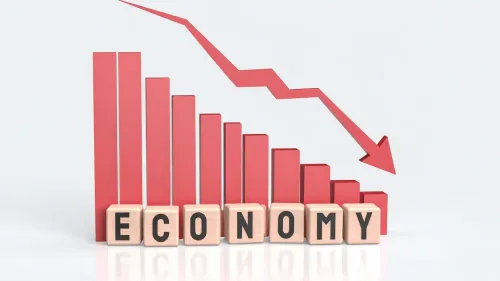
New Delhi, Jan 16 (NationPress) Recent data from the State Bank of Pakistan reveals a dramatic 79% drop in private sector credit compared to last year. This significant decline indicates that businesses are struggling to secure loans for expansion and job creation, as reported by The News International.
During the first half of the previous financial year, businesses borrowed Rs 1.87 trillion from banks, which has plummeted to just Rs 395 billion this financial year.
Despite the State Bank reducing interest rates to stimulate borrowing, companies are hesitant to take loans, highlighting the ongoing economic stagnation.
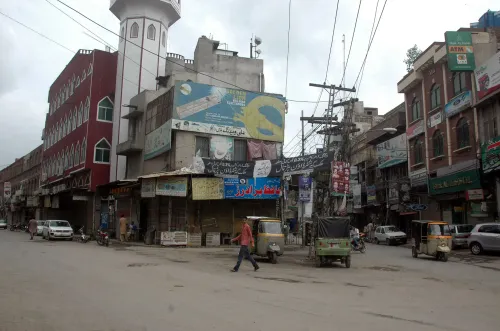
The article underscores that consumer demand has sharply declined, with food prices soaring by 30-40% at various times. Additionally, electricity and gas bills have seen increases ranging from doubling to quadrupling. The inflation has significantly eroded any income gains, shrinking real purchasing power.
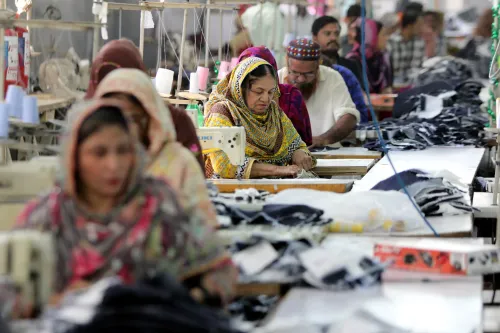
Businesses lack incentive to increase production as demand for their products diminishes. For instance, if a middle-class household is stretched thin covering expenses for food, rent, and utilities, they are unlikely to make discretionary purchases like new appliances or clothing. Consequently, businesses are opting to conserve resources instead of pursuing growth, as noted in the report.
Moreover, the continued uncertainty stemming from unending political instability, IMF programs that often lead to new tax increases and utility price shocks, and the looming threat of currency devaluation disrupts long-term business planning. Business owners often prefer to reduce existing debt and maintain cash reserves rather than taking on additional risks.
The article further points out that banks are dealing with challenges stemming from previous bad loans. As a result, they tend to invest in government securities, which are deemed low-risk, instead of lending to businesses that may struggle to repay their debts.
“Money circulates endlessly between banks and government borrowing rather than flowing into the factories, farms, and startups that could genuinely foster growth,” the article laments.
Point of View
It's imperative to acknowledge the alarming trends in Pakistan's economy. The drastic reduction in private sector credit raises concerns about the future of job creation and business growth. Our focus must remain on solutions that foster economic stability and support sustainable development.
NationPress
3 Oct 2026
Frequently Asked Questions
What caused the decline in private sector credit in Pakistan?
The decline is attributed to several factors, including soaring inflation, rising costs of living, and a general lack of consumer demand, which has made businesses hesitant to take loans.
How much did private sector credit decrease?
Private sector credit in Pakistan has dropped by an astonishing 79% compared to the previous year.
What impact does this decline have on businesses?
The decline in credit may lead to reduced expansion opportunities for businesses, resulting in fewer jobs and stunted economic growth.
Are banks affected by this credit decline?
Yes, banks are facing challenges due to previous bad loans and are opting to invest in low-risk government securities instead of lending to businesses.
What measures are being taken to encourage borrowing?
The State Bank of Pakistan has cut interest rates to stimulate borrowing, but businesses remain cautious in the current economic climate.