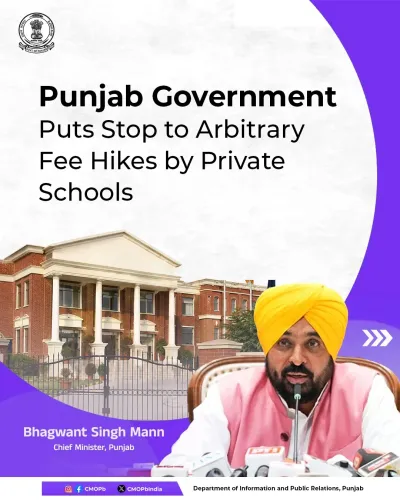
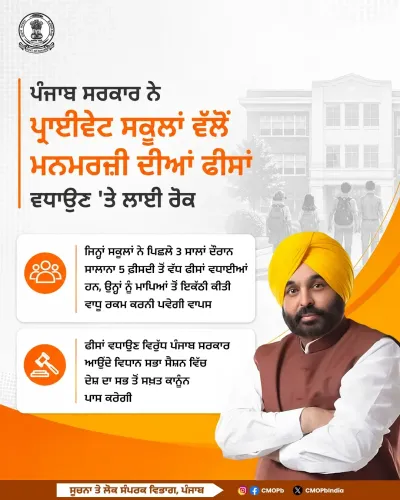
Punjab caps private school fee hikes at 5% under new ordinance, 32 lakh students to benefit
Synopsis
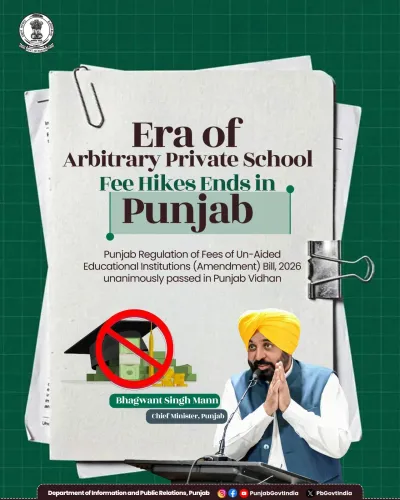
Punjab has capped private school fee hikes at 5% annually through a new ordinance covering 32 lakh students — and gone further by mandating refunds where fees rose more than 15% over three years. With forensic audits ordered and derecognition on the table for repeat offenders, this is among the most enforceable fee-regulation frameworks any Indian state has introduced.
Key Takeaways
The Punjab Regulation of Fees of Unaided Educational Institutions (Amendment) Ordinance, 2026 came into effect on 13 July 2026 .
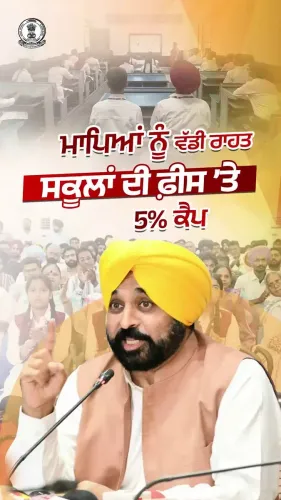
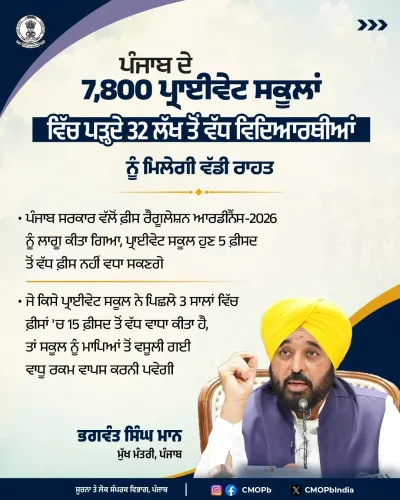
Annual private school fee hikes are capped at 5% ; schools that raised fees by more than 15% over three years must issue refunds.
All charges — transport, building, and tuition — are consolidated under the regulated fee ceiling.
Over 32 lakh students across Punjab are covered by the ordinance.
Penalties range from ₹50,000 (first offence) to ₹1 lakh (second offence) to cancellation of affiliation (third offence).
All private schools must upload four years of fee records to a government portal within 10 days ; forensic audits will follow.
The Punjab government has brought private school fees under a binding regulatory framework through the Punjab Regulation of Fees of Unaided Educational Institutions (Amendment) Ordinance, 2026, offering direct relief to over 32 lakh students and their families across the state. The ordinance, which came into effect on Monday, 13 July 2026, caps annual fee hikes at 5% and mandates refunds where increases have exceeded 15% over the past three years.
Key Provisions of the Ordinance
The ordinance treats all charges — including transport fees, building fees, and other levies — as part of tuition fees, closing a loophole that schools had long used to circumvent earlier fee restrictions. Regulatory committees headed by Deputy Commissioners will scrutinise fee hikes going forward. All private schools have been directed to upload fee records for the past four years on a designated portal within 10 days.
Penalties for non-compliance are graduated and stringent: a ₹50,000 fine for the first violation, ₹1 lakh for the second, and cancellation of affiliation on a third offence, along with additional punitive action.
What Chief Minister Bhagwant Mann Said
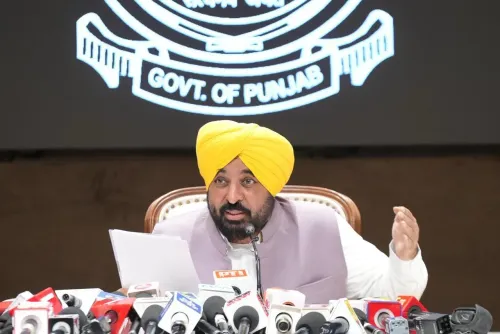
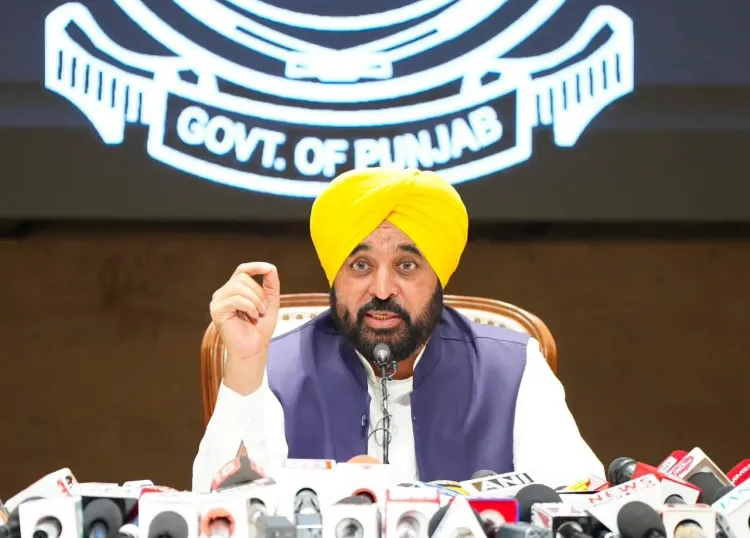
Chief Minister Bhagwant Mann announced the measure on Monday, crediting the Governor for according consent to the ordinance. 'From today onwards, every private educational institution will have to furnish complete details of the fees collected during the last four years within 10 days. Once this period is over, any institution found to have collected excess fees from students will have to refund the amount to the parents,' Mann said.
The Chief Minister said previous governments had allowed private institutions to impose 'exorbitant fees,' severely damaging the education system. Invoking Supreme Court guidelines, he stated that educational institutions cannot generate profits by collecting fees through multiple accounts. 'A forensic audit will be conducted to ascertain the actual fees collected by these institutions through any mode,' he added.
Why This Matters for Punjab Families
Unregulated private school fee hikes have been a persistent grievance for middle-class families in Punjab, where private school enrolment is substantial. By consolidating all charges — transport, building, and tuition — under a single regulated ceiling, the ordinance eliminates the practice of unbundling fees to evade caps. This is also consistent with broader Supreme Court jurisprudence holding that education cannot be treated as a commercial enterprise.
Notably, the refund mandate is retroactive: institutions that raised fees by more than 15% over the last three years will be required to return the excess to parents. The forensic audit mechanism adds an accountability layer absent in previous state-level attempts at fee regulation.
What Happens Next
Schools have a 10-day window from 13 July 2026 to upload four years of fee records. Regulatory committees under Deputy Commissioners will then begin scrutiny. Institutions found in violation face an escalating penalty structure culminating in derecognition. Parents and advocacy groups will be watching whether the enforcement infrastructure — particularly the forensic audit process — is operationalised swiftly enough to deliver on the refund promise.
Point of View
However, is enforcement: India has a long record of fee-regulation laws that exist on paper but collapse at the district level when schools challenge orders in court. The derecognition threat is the ordinance's sharpest tooth, but it has rarely been used elsewhere. Whether Deputy Commissioner-led committees have the bandwidth and insulation from political pressure to act against well-connected private school chains will determine if this delivers for the 32 lakh students it promises to protect.
NationPress
12 Oct 2026
Frequently Asked Questions
What is the Punjab private school fee ordinance 2026?
It is the Punjab Regulation of Fees of Unaided Educational Institutions (Amendment) Ordinance, 2026, which caps annual private school fee hikes at 5% and mandates refunds where fees rose more than 15% over the past three years. The ordinance came into effect on 13 July 2026 and covers over 32 lakh students across Punjab.
How much can private schools in Punjab increase fees each year?
Under the new ordinance, private unaided schools in Punjab can raise fees by a maximum of 5% annually. Any increase beyond this ceiling is subject to regulatory scrutiny and potential penalty.
Which charges are covered under the Punjab fee regulation ordinance?
All charges levied by private schools — including tuition, transport, and building fees — are treated as part of the regulated fee structure. This prevents schools from bypassing the cap by reclassifying fees under separate heads.
What penalties do schools face for violating the ordinance?
A first violation attracts a fine of ₹50,000, a second violation ₹1 lakh, and a third violation results in cancellation of the school's affiliation along with other punitive action.
Will parents receive refunds for excess fees already collected?
Yes. Schools that raised fees by more than 15% over the last three years are required to refund the excess amount to parents. All private schools must upload four years of fee records within 10 days, after which forensic audits will determine excess collections.