Punjab Caps Private School Fee Hike at 5% Per Year
Synopsis
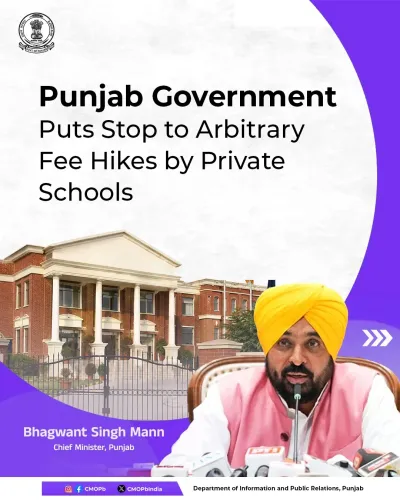
The Punjab Government, on Chief Minister Bhagwant Mann's directions, has capped annual fee increases by private schools at 5 per cent. The move aims to ease the financial burden on parents and brings Punjab in line with fee-regulation efforts seen across several other Indian states.
Key Takeaways
The Punjab Government has capped annual fee hikes by private schools at 5 per cent per academic year.
The directive was issued on the instructions of Chief Minister Bhagwant Mann and announced on June 5, 2026 .
The move is intended to provide financial relief to parents of children enrolled in private schools across Punjab .
Punjab's action mirrors similar fee-regulation efforts undertaken by other Indian states including Rajasthan , Maharashtra , and Uttar Pradesh .
Enforcement mechanisms and potential legal challenges from private school associations remain key factors that will determine the order's real-world impact.
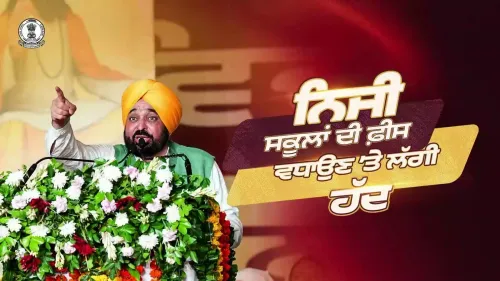
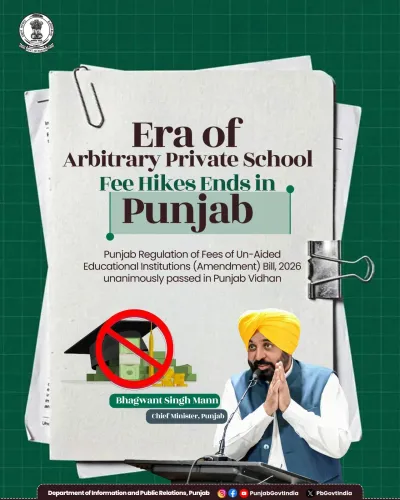
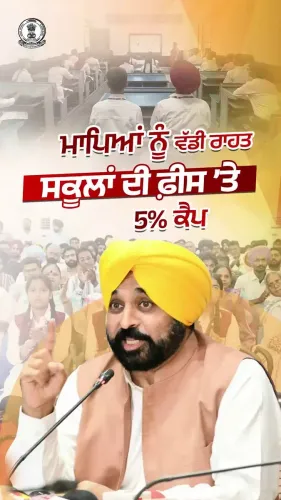
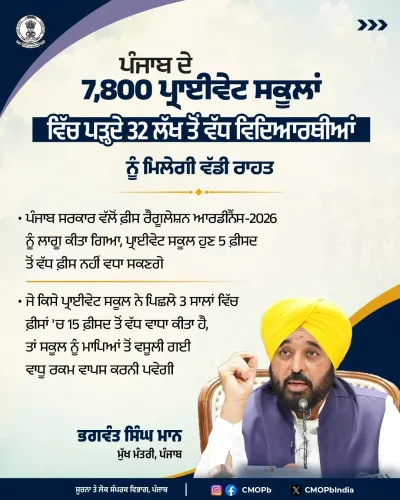
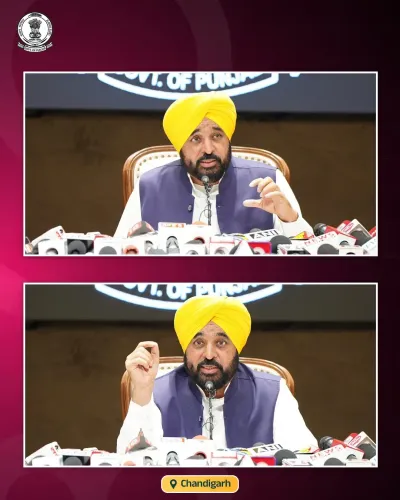
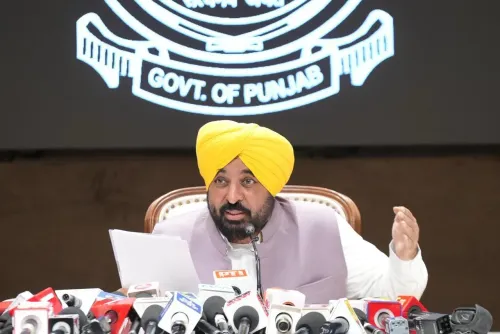
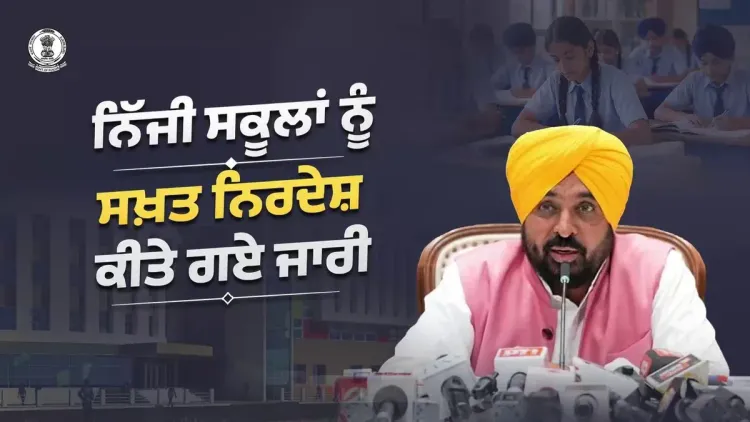
The Chief Minister's Office of Punjab announced on Friday, June 5, 2026 that the Punjab Government, acting on the directions of Chief Minister Bhagwant Mann, has capped the annual fee increase that private schools may levy at 5 per cent per year.
Context
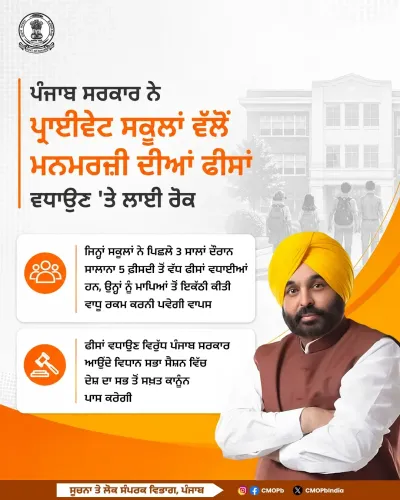
The official post, shared in Punjabi, states: 'ਪੰਜਾਬ ਸਰਕਾਰ ਨੇ ਨਿੱਜੀ ਸਕੂਲਾਂ ਵੱਲੋਂ ਵਧਾਈ ਜਾਂਦੀ ਫੀਸ ਨੂੰ 5 ਫ਼ੀਸਦੀ ਤੱਕ ਸੀਮਤ ਕੀਤਾ' — 'the Punjab Government has limited the fee increase by private schools to 5 per cent.' The directive means no private school in the state can raise its fee by more than 5 per cent in a single academic year.
The announcement comes amid persistent complaints from parents across Punjab about steep and arbitrary annual fee revisions by private institutions, which have often outpaced inflation and household income growth.
Policy Backdrop
Several Indian state governments have moved to regulate private school fees over the past decade, citing the need to protect parental affordability without eliminating institutional autonomy. Rajasthan, Maharashtra, and Uttar Pradesh have at various points enacted or proposed similar fee-regulation frameworks, reflecting a nationwide pattern of state intervention in private education pricing.
Punjab's Aam Aadmi Party government, which came to power in March 2022 under CM Bhagwant Mann, has positioned education reform as a central plank of its governance agenda, drawing on a model that the party previously pursued in Delhi. This fee-cap order represents one of the more direct regulatory interventions in the private schooling sector since the government took office.
Stakeholders and Impact
The cap directly affects the estimated millions of students enrolled in private schools across Punjab, offering their families a degree of financial predictability when planning for the next academic session. For middle-income households in cities such as Ludhiana, Amritsar, and Jalandhar, where private schooling is prevalent, the ceiling could translate into meaningful savings.
Private school associations, however, are likely to scrutinise the order closely. Schools that argue rising operational costs — including salaries, infrastructure, and utilities — exceed the 5 per cent threshold may seek legal recourse or exemptions. The effectiveness of the measure will depend heavily on the state's enforcement and compliance-monitoring mechanisms.
What's Next
The government is expected to outline implementation details, including the baseline year against which the 5 per cent cap will be calculated and the authority responsible for receiving and adjudicating complaints from parents. Legal challenges from private school bodies cannot be ruled out, and courts in other states have previously stayed similar orders pending fuller hearings.
If enforced robustly, the order could set a precedent for further regulatory steps in Punjab's private education sector, potentially extending scrutiny to other charges such as development fees, transport, and uniform costs that currently fall outside standard tuition-fee definitions.
Point of View
Echoing the education-reform brand the party built in Delhi. By anchoring the directive to Chief Minister Bhagwant Mann personally, the CMO is clearly framing this as a leadership-driven initiative rather than routine bureaucratic action. The real test, however, lies in enforcement: fee-cap orders in other states have frequently been diluted by non-compliance and legal stays secured by well-organised private school lobbies. Whether Punjab builds a credible grievance-redressal mechanism will determine if this becomes substantive policy or symbolic posturing.
NationPress
20 Sept 2026
Frequently Asked Questions
What is the new rule for private school fees in Punjab?
Private schools in Punjab can now increase their fees by a maximum of 5 per cent in a single academic year, as per a directive issued by the Punjab Government on the instructions of Chief Minister Bhagwant Mann.
From when does the Punjab private school fee cap apply?
The order was announced on June 5, 2026. Specific implementation details, including the effective date and baseline year for calculating the cap, are expected to be notified by the state government.
Can private schools in Punjab charge more than 5 per cent fee hike?
No. Under the new directive, private schools in Punjab are restricted to a maximum annual fee increase of 5 per cent and cannot exceed this limit in a given year.
Which other states in India have capped private school fees?
Several Indian states including Rajasthan, Maharashtra, and Uttar Pradesh have at various times introduced or proposed legislation to regulate private school fee hikes, reflecting a broader national trend of state intervention in private education pricing.
What can Punjab parents do if a private school charges more than the 5 per cent cap?
The government is expected to designate an authority for receiving complaints. Parents whose schools violate the cap can approach that authority once the implementation framework is formally notified.