Punjab farmers buy 21,019 CRM machines this season to curb stubble burning
Synopsis
Punjab farmers have snapped up 21,019 crop residue management machines in a single season — with the Super Seeder alone accounting for over 14,000 units. Backed by subsidies of up to 80 per cent and a ₹576-crore state action plan, the drive has helped slash stubble-burning incidents by nearly 90 per cent since 2022, from nearly 50,000 fires to just over 5,000.
Key Takeaways
Punjab farmers procured 21,019 CRM machines during the current season, as of 21 October 2026 .
The Super Seeder was the most popular machine with 14,274 units purchased.
Individual farmers receive a 50% subsidy ; CHCs, FPOs, cooperatives and panchayats qualify for 80% .
The state has committed a ₹576-crore action plan for 2026-27 to support CRM adoption.
Stubble-burning incidents fell nearly 90% — from 49,922 in 2022 to 5,114 in 2025 .
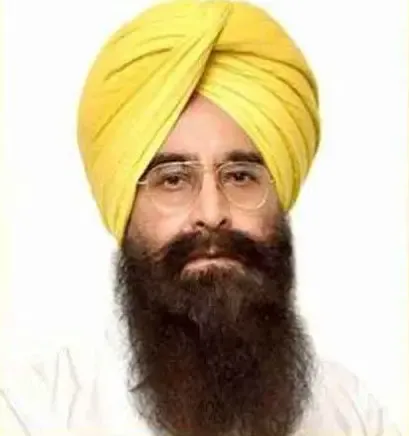
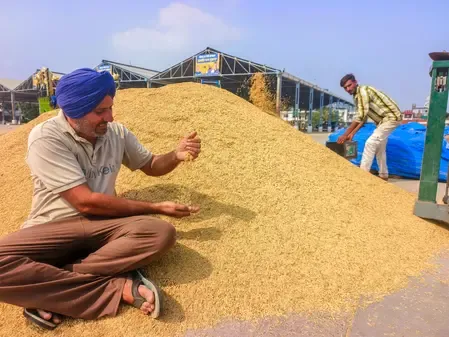
Punjab farmers have procured 21,019 crop residue management (CRM) machines during the current agricultural season, in what the state government describes as a decisive shift away from stubble burning. Agriculture and Farmers Welfare Minister Gurmeet Singh Khudian announced the figures on Wednesday, 21 October 2026, highlighting the Super Seeder as the single most sought-after piece of equipment among the farming community.
Machine-wise Breakdown
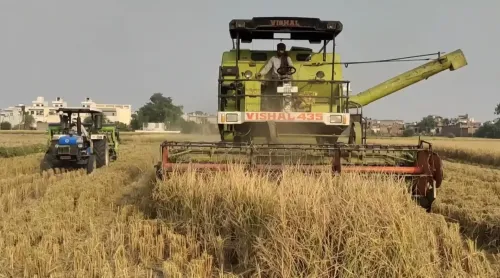
The Super Seeder dominated procurement, with farmers buying 14,274 units — accounting for more than two-thirds of all CRM machinery purchased this season. It was followed by the mulcher at 1,721 units and the Hydraulic Reversible MB Plough at 1,346 units. The zero till drill and baling machine ranked fourth and fifth, with 1,123 and 927 units respectively. Straw rakes also recorded considerable uptake, with 874 units procured across the state.
Subsidy Structure Driving Adoption
The surge in machine procurement is underpinned by a generous subsidy framework. Individual farmers receive a 50 per cent subsidy on machinery purchases, while Custom Hiring Centres (CHCs), Farmer Producer Organisations (FPOs), cooperative societies, and panchayats are eligible for an 80 per cent subsidy. These concessions are backed by a ₹576-crore action plan for 2026-27, according to the minister.
Stubble-Burning Incidents Down Nearly 90 Per Cent
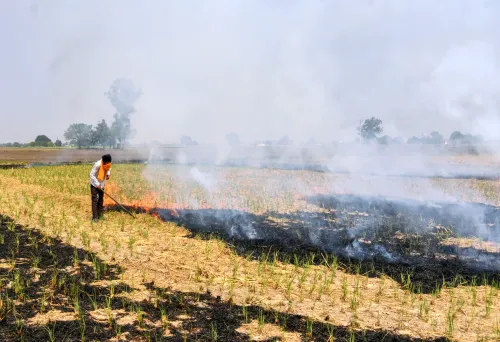
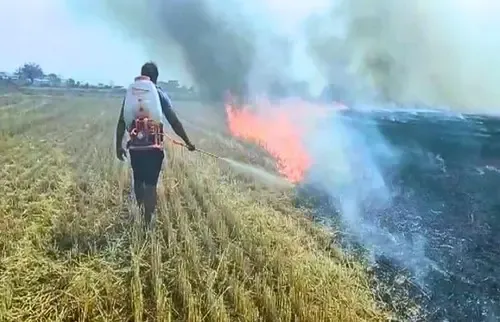
The state's sustained push on CRM has yielded measurable results. Stubble-burning incidents have fallen by nearly 90 per cent, dropping from 49,922 incidents in 2022 to 5,114 in 2025, according to the minister's statement. The progress has earned Punjab national recognition for its crop residue management strategy.
Khudian noted that Super Seeders and zero-till drills allow farmers to sow wheat directly into paddy residue, conserving soil moisture and saving time. Balers and rakes, meanwhile, support straw collection for power generation and animal fodder, turning what was once burnt as waste into a productive resource.
Government's Position and Farmer Appeal
Chief Minister Bhagwant Mann's government has framed the CRM drive as both an environmental and agricultural welfare priority. Khudian urged farmers to maximise use of available machinery and give up stubble burning entirely. 'Substantial subsidies and extensive awareness campaigns have encouraged farmers to view crop residue as a valuable resource rather than a liability,' he said. The minister emphasised that environmental protection is a collective responsibility and that every farmer's participation is critical to safeguarding public health and natural resources for future generations.
With the rabi sowing season underway, the scale of this season's machine uptake signals that Punjab's CRM approach is gaining sustained traction — the next benchmark will be whether stubble-burning counts fall further from 2025's 5,114.
Point of View
And the difference matters for policy credibility. The real test of Punjab's CRM model is whether machine procurement translates into year-on-year fire suppression without the parallel pressure of shorter harvesting windows, which remain a structural driver of burning. The ₹576-crore outlay is substantial, but it sits within a broader debate about whether subsidising machinery is a durable solution or whether deeper interventions — paddy diversification, water pricing reform — are what the state's agrarian ecology actually needs. India's air quality crisis is Punjab's to help solve; the numbers suggest it is moving, but the finish line is zero fires, not fewer.
NationPress
21 Oct 2026
Frequently Asked Questions
How many CRM machines have Punjab farmers procured this season?
Punjab farmers have procured 21,019 crop residue management machines during the current season, according to Agriculture Minister Gurmeet Singh Khudian. The Super Seeder was the most popular, with 14,274 units purchased.
What subsidies are available for CRM machine purchases in Punjab?
Individual farmers receive a 50 per cent subsidy on CRM machinery, while Custom Hiring Centres, Farmer Producer Organisations, cooperative societies and panchayats are eligible for an 80 per cent subsidy. The concessions are part of a ₹576-crore state action plan for 2026-27.
By how much have stubble-burning incidents fallen in Punjab?
Stubble-burning incidents have declined by nearly 90 per cent, falling from 49,922 in 2022 to 5,114 in 2025, according to the state government. The sharp drop has earned Punjab national recognition for its crop residue management strategy.
Why is the Super Seeder the preferred CRM machine in Punjab?
The Super Seeder allows farmers to sow wheat directly into paddy residue without burning it, saving time and conserving soil moisture. Its ability to eliminate the need for burning while maintaining sowing schedules makes it the most practical option for paddy-wheat rotation farmers.
What happens to the straw collected through balers and rakes?
Straw collected via balers and rakes is utilised for power generation and as animal fodder, turning crop residue into a productive resource. The government has emphasised that this approach converts what was previously burned as waste into an economic asset for farmers.