Punjab Minister Urges Caution Against Wheat Sales from Neighboring States
Synopsis
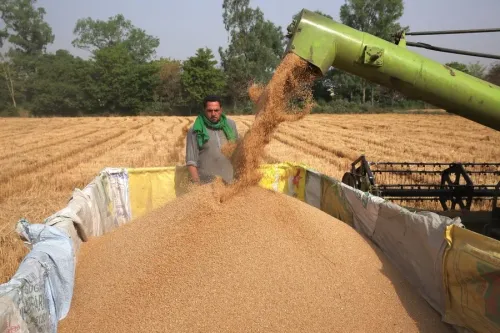
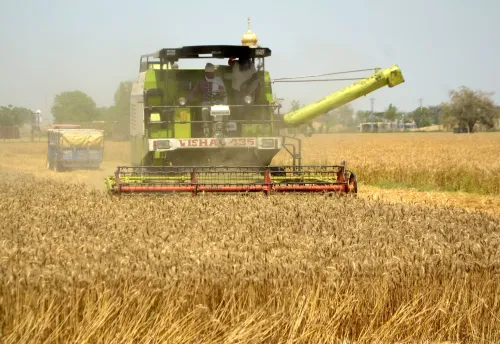
In a proactive move, Punjab's Minister for Food, Lal Chand Kataruchak, calls for stringent monitoring in border districts to prevent unauthorized wheat sales from neighboring states, aiming for a procurement target of 122 LMT.
Key Takeaways
122 lakh metric tonnes wheat procurement target set for Punjab.
Heightened vigilance required in border districts .
District Food Supply Controllers mandated to monitor mandis .
Minimum support price established at Rs 2,585 per quintal .
Collaboration with oil companies for consistent fuel supply.
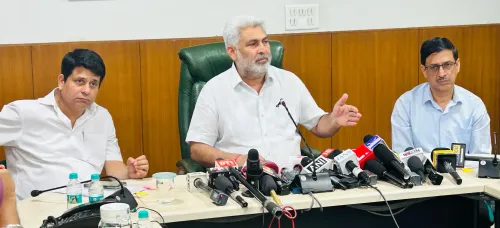
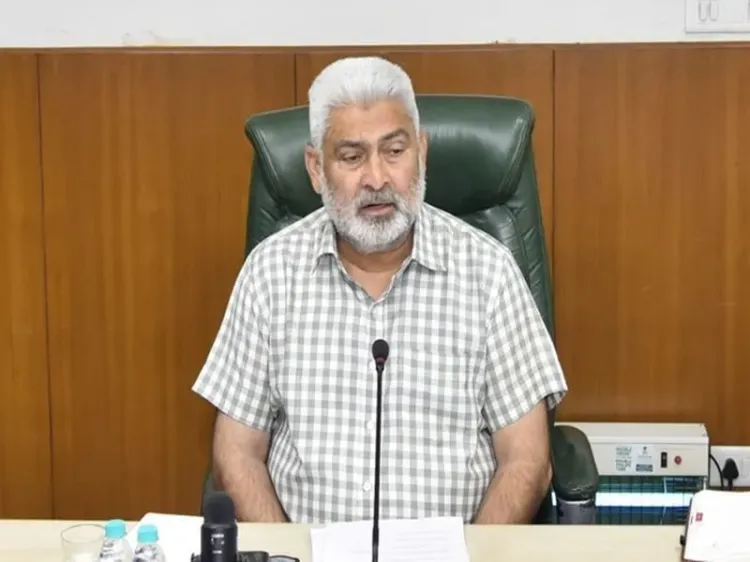
Chandigarh, March 30 (NationPress) In a bid to procure 122 lakh metric tonnes (LMT) of wheat, Punjab's Minister for Food, Civil Supplies and Consumer Affairs, Lal Chand Kataruchak, stressed the necessity for heightened vigilance, particularly in border areas, to thwart the entry of wheat for sale from adjacent states.
The Minister directed that the District Food Supply Controllers (DFSCs) personally inspect the ‘mandis’ to ensure no illegal activities occur.
During a review of the preparations for the forthcoming procurement season, Kataruchak mandated that officials ensure cleanliness, as well as adequate electricity and potable water in every ‘mandi’.
He also mentioned that the state has secured a cash credit limit (CCL) of Rs 30,973 crore for April and has set a procurement target of 122 lakh metric tonnes (LMT). However, the department is prepared to procure 132 LMT.
As part of the procurement plans, 1,897 centers have been established, with proposals for an additional 266 temporary yards received from District Level Procurement Committees.
The minimum support price (MSP) has been set at Rs 2,585 per quintal. Regarding gunny bales, the minister urged committees to assign inspectors to ensure their availability at the ‘mandis’.
On the storage issue, the minister noted that the Chief Minister has consistently approached the Union Government to expedite the transfer of produce from previous seasons to create room for upcoming crops.
He advised that committees maintain ongoing communication with the Deputy Commissioners of their districts concerning storage and keep the head office updated, as stated by Kataruchak.
The Minister further insisted on foolproof arrangements for tarpaulins and wooden crates in the ‘mandis’.
He also provided reassurance regarding the supply of petrol, diesel, and LPG, stating that the Food, Civil Supplies and Consumer Affairs Department is collaborating with oil marketing companies to ensure consistent availability of these essential items.
Point of View
The call for strict vigilance by Punjab's Minister reflects the ongoing challenges of maintaining local agricultural markets against external pressures. The emphasis on procurement targets and ensuring the integrity of supply chains is paramount in safeguarding farmers' interests and maintaining food security.
NationPress
21 Sept 2026
Frequently Asked Questions
What is the wheat procurement target for Punjab this season?
The target for wheat procurement in Punjab this season is set at 122 lakh metric tonnes (LMT).
What measures are being taken to prevent illegal wheat sales?
The Punjab Minister has instructed District Food Supply Controllers to personally monitor ‘mandis’ to prevent the arrival of wheat from neighboring states for sale.
What is the minimum support price (MSP) for wheat this season?
The minimum support price for wheat has been fixed at Rs 2,585 per quintal.
How many procurement centers have been established in Punjab?
A total of 1,897 procurement centers have been notified, with proposals for an additional 266 temporary yards.
What is being done about storage issues for wheat?
The Chief Minister is in regular discussions with the Union Government to expedite the transfer of past season's produce to create storage space for new crops.